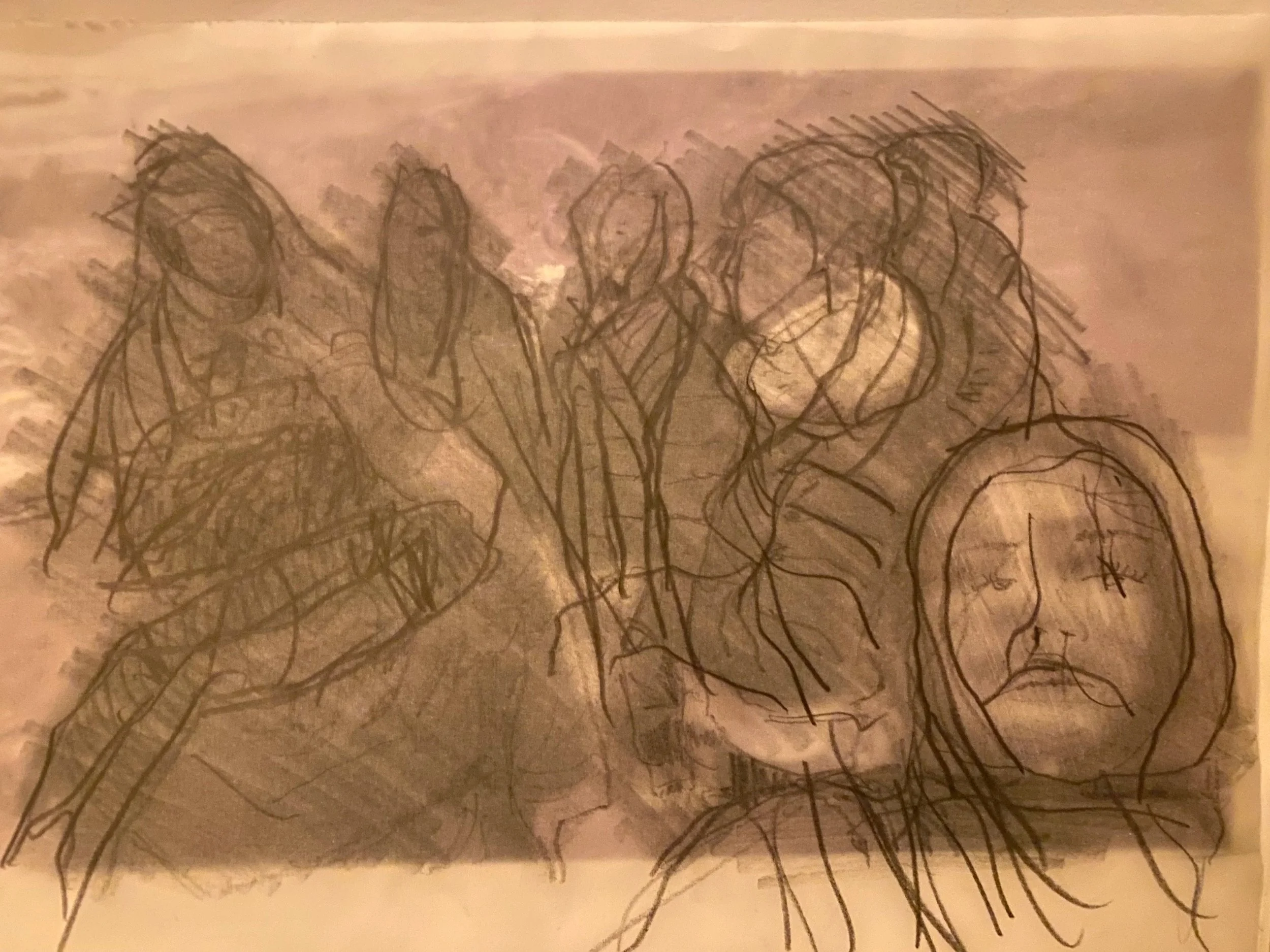
Notes on New Work
I would that I were there
Sea Longing
Sara Teasdale
A thousand miles beyond this sun-steeped wall
Somewhere the waves creep cool along the sand,
The ebbing tide forsakes the listless land
With the old murmur, long and musical;
The windy waves mount up and curve and fall,
And round the rocks the foam blows up like snow,—
Tho' I am inland far, I hear and know,
For I was born the sea's eternal thrall.
I would that I were there and over me
The cold insistence of the tide would roll,
Quenching this burning thing men call the soul,—
Then with the ebbing I should drift and be
Less than the smallest shell along the shoal,
Less than the sea-gulls calling to the sea.
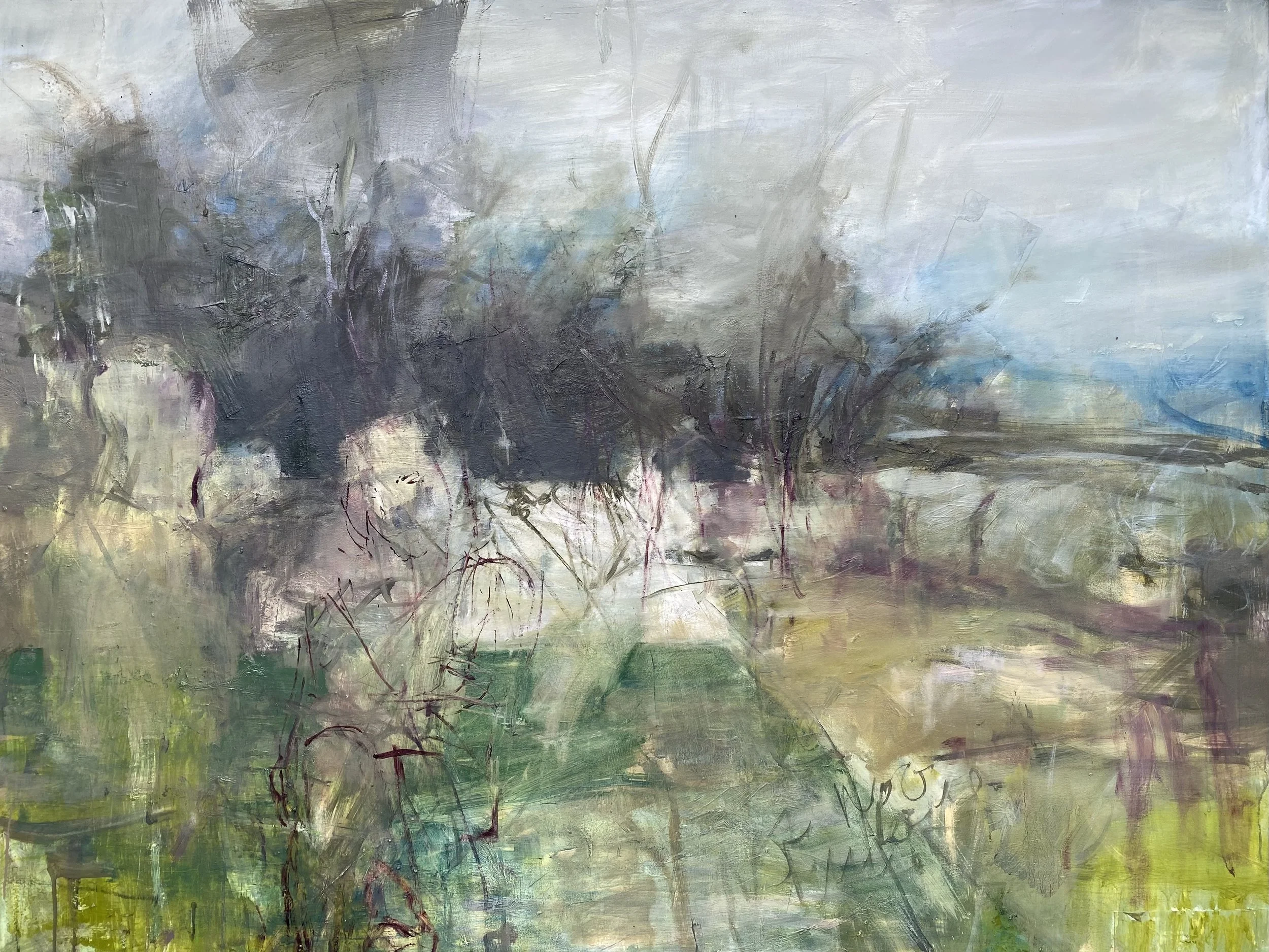
I would that I were there is a series of semi-abstract mixed media paintings that explore the emotional weight of place and the way memory returns to it over time. The sea functions here not simply as a subject, but as a recurring point of orientation—a place continually revisited through recollection, longing, and sensation.
In my work, place is never fixed. It is layered, eroded, and reassembled through time, much like a shoreline shaped by repeated tides. These paintings are built through accumulation and removal: surfaces are worked, obscured, and reopened, allowing earlier gestures to remain visible beneath later ones. This process mirrors the way memories of place persist—not as clear images, but as overlapping impressions that shift with distance and age.
The sea emerges as both origin and return. It is associated with early experiences of anticipation and freedom, moments when going to the water carried the promise of arrival. Over time, the act of returning becomes less about geography and more about remembrance. Horizons blur, forms dissolve, and colour suggests atmosphere rather than description. The paintings hover between abstraction and recognition, inviting the viewer into a space that feels familiar yet elusive.
Nostalgia plays a central role in this body of work—not as a longing for a single moment, but as an awareness of time’s passage and the persistence of feeling. The sea holds memory in motion: always present, always changing. Like the tide described in Sara Teasdale’s Sea Longing, it continues to call from a distance, reminding us that certain places remain embedded within us, shaping how we see, feel, and return.
These works consider how place lives on through memory—how the sea, revisited again and again, becomes a vessel for time, longing, and the quiet pull of belonging.
Part 1
Separation, exile, longing
Longing
Addy Gardner
Hugging and clawing she reaches,
Endlessly clamouring for that fix of a cheek brushed,
A rough outreach with liquid foam, only for a second.
She stands firm and waits, through dark nights
And mornings cold with lead grey skies, for things to go back.
She dreams of going home.
Stroking gently the base of her outcrops of rock,
No return for her longing,
To fall into the soft comfort of home,
Singing and joy, and love, far from the endless back and forth,
Of night and day and tidal flows.
She dreams of her child, and feels for her child,
Long since turned to stone.
Progression Statement for New Work, Jan 2026
This body of work started with a trip with my family to the beach in Cornwall. Whilst we were there I realised that we haven’t been on a trip together since the old days when I was young with my brother and sister and we’d go to Iran for the summer holidays each year.
The Cornwall holiday was by the sea and by a little cove that I went to lots. The walk down to the beach was quite a treacherous slippery steep slope down but when you got there you felt cradled, protected from the ravages of the tumultuous sea. The large, dark rocky outcrop was like arms coming down over something, cradling it. Shielding it from the weather and the sea. It also looked like an outstretched dragon, protecting the gates of the cove. I thought lots about us as an extended family and our past here. When I got home I started thinking about this cove. I thought about the protective feeling of the rocks cradling the cove and thought about my sister and I walking along the beach with 5 children between us. The eldest two are at an age when they are preparing to go off to university and starting to think about moving out home.
At the same time, protesting started in Iran, first with bazaar owners and quickly spreading to huge amount of people who were already broken with nearly 50 years of extremely harsh living under the Islamic regime- ruling through corruption, torture and by taking away all freedoms. I thought if my mother and her family in Iran. I thought of my cousin that I had stayed with in Iran who at the same had no hope of a future under that regime. I thought of my mother who had spent years in England, unable to return and see her family and country and I thought of the loss of that homeland and the erasure of a history for us in that exile. In social media I obsessively watched video after video of the protests. It shocked me to the core seeing mothers hugging the bodies of their children and crying in anguish at the unbearable loss.
I started to think about a shocking etching by Kath Kollowitz that I have always loved- Mother with Dead Child. I sketched lots from that etching and other Victorian etchings I found of mother with child. I thought about being with my mother and holding her hand in the streets in Iran during a gathering to see the new leader: Khomeini who came out onto his balcony in a Tehran while we were visiting. Mainly though I thought of all those people who had lost their loved ones- the same age as mine and my sisters children.
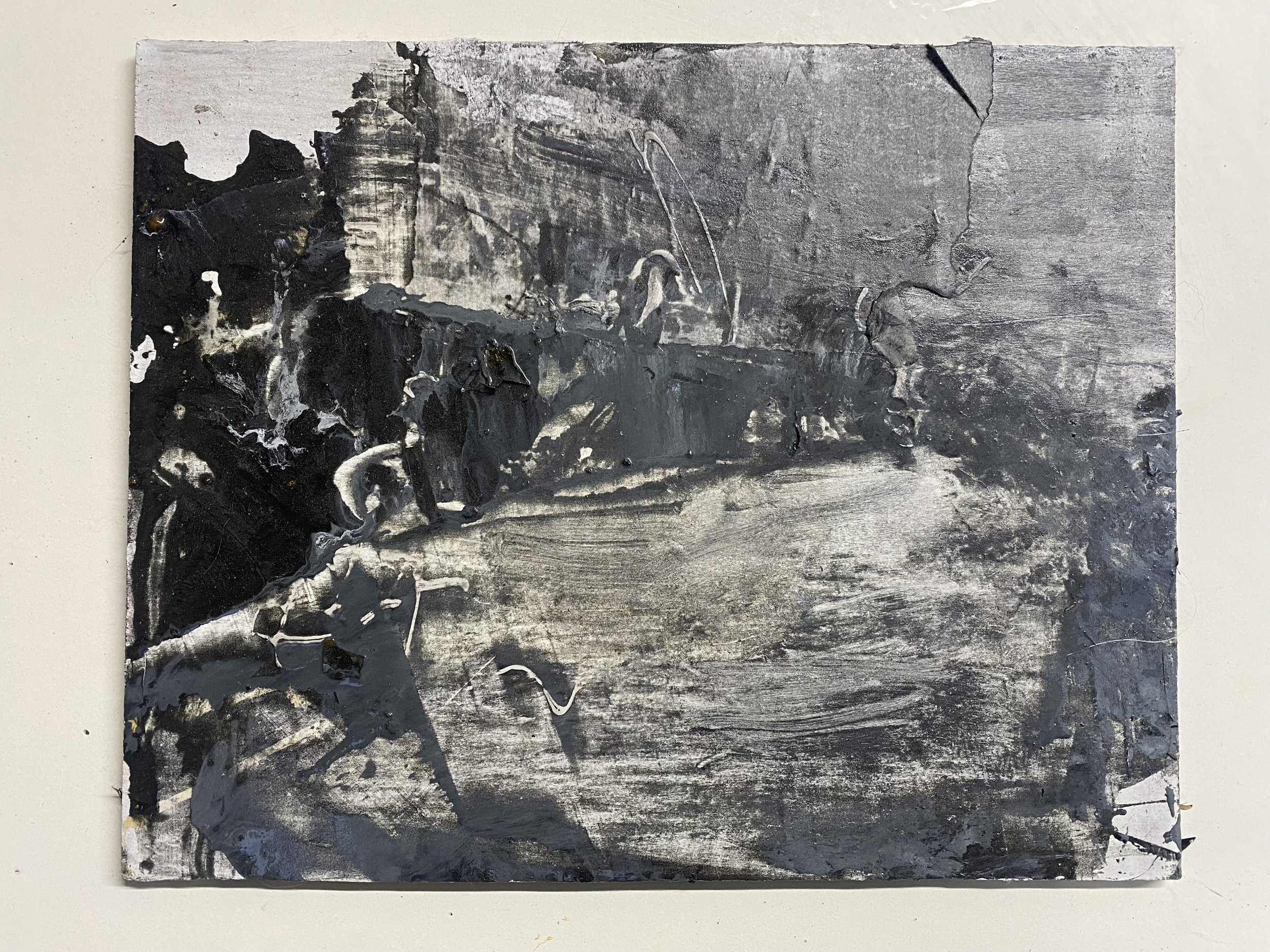
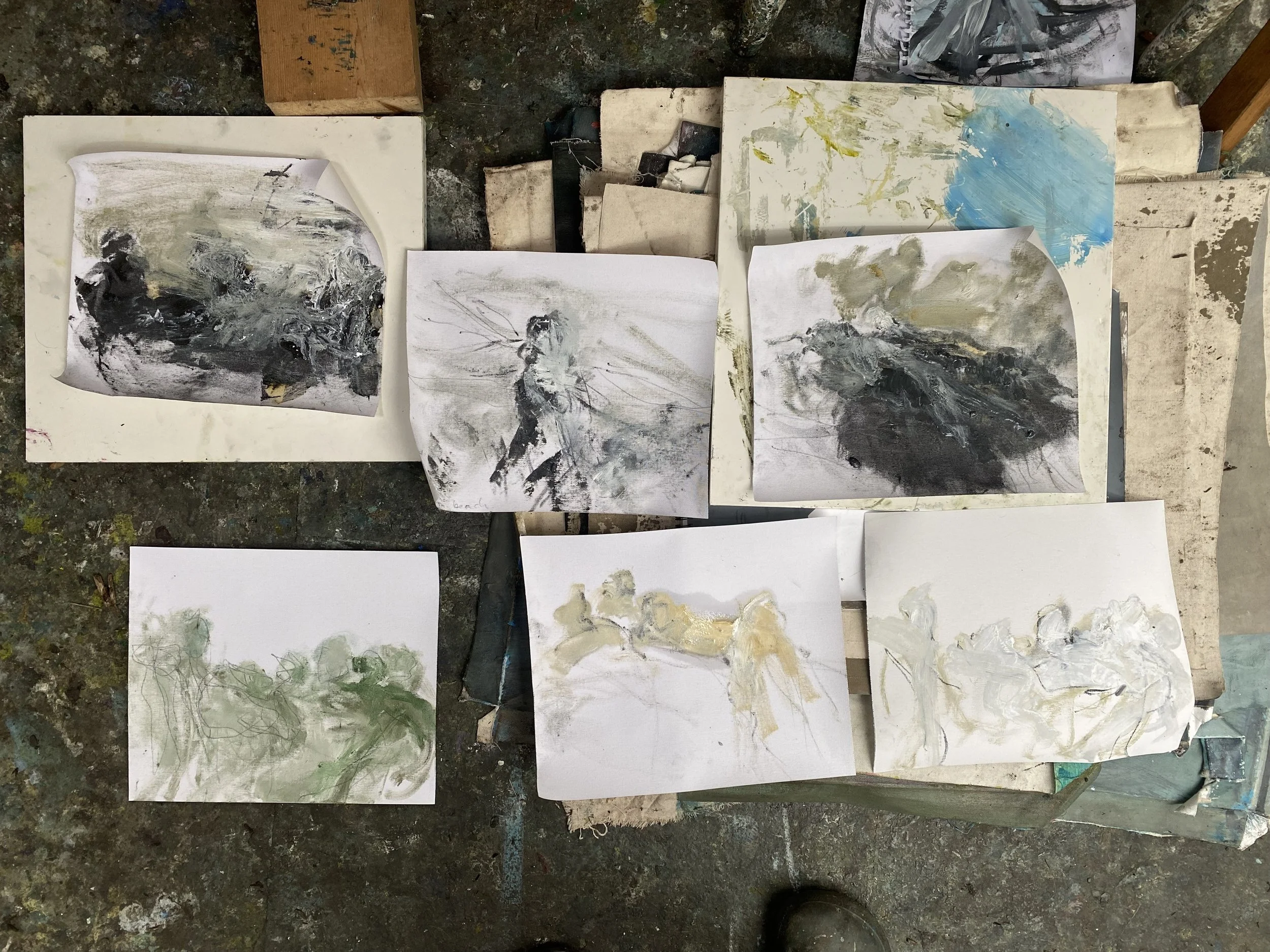
The drawings then became the rocks and I worked them into more works using graphite and shellac and oil. The resulting images were stark and very reminiscent of the rocky cove. I thought of the age old process of life and death layered into those rocks and the endless movement of the sea. Sometime during this process I thought of myself as an 18 year old coming to Iran. We travelled to the north of Iran over the mountains to ‘Shomal’ from Tehran like many Iranians do and stayed in a house by the sea with family. Growing up we travelled to the North from my grandparents village on the outskirts of Karaj, just outside Tehran. We travelled in cars on a big convoy over the mountains to their villa near Motelghoo by the Caspian Sea.
What ties both branches of this research together are stories. I have been writing stories in my sketchbook about a magical cove and also a lost village. I want these to have the feeling of old fairytales- lesson giving and about magic, hardship, family and nature. Both my family now and my family history in iran are good stories which have all these aspects. A huge influence has been ‘Women Who run with the Wolves’- Clarissa Pinkola Estes as well as reading the very strange and dark original versions of the fairytales of Grimm and Hans Christian Anderson.
Notes: Mix shellac, graphite, paint - human with landscape
Drawings of Kath Kollwitz- draw from
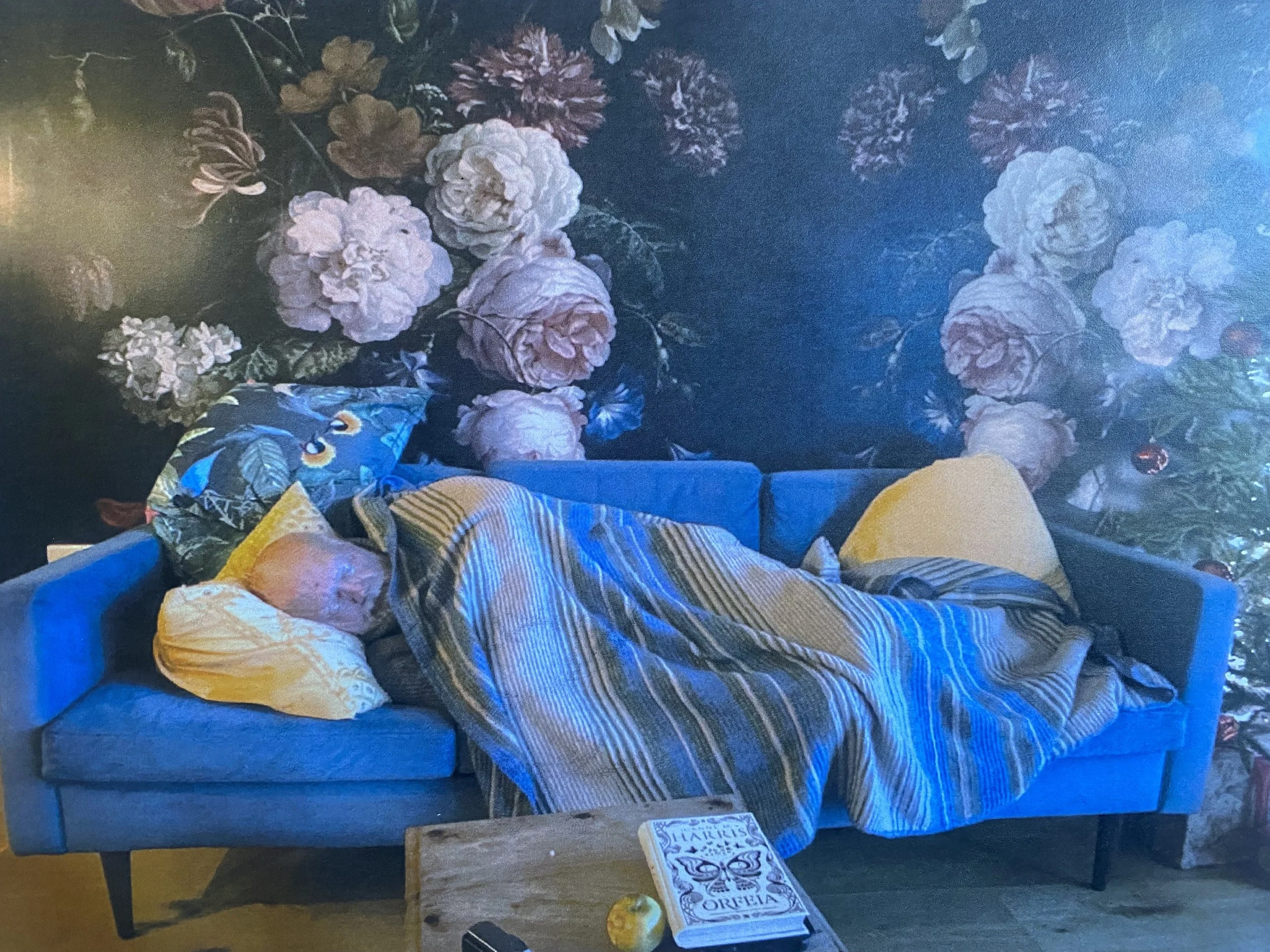
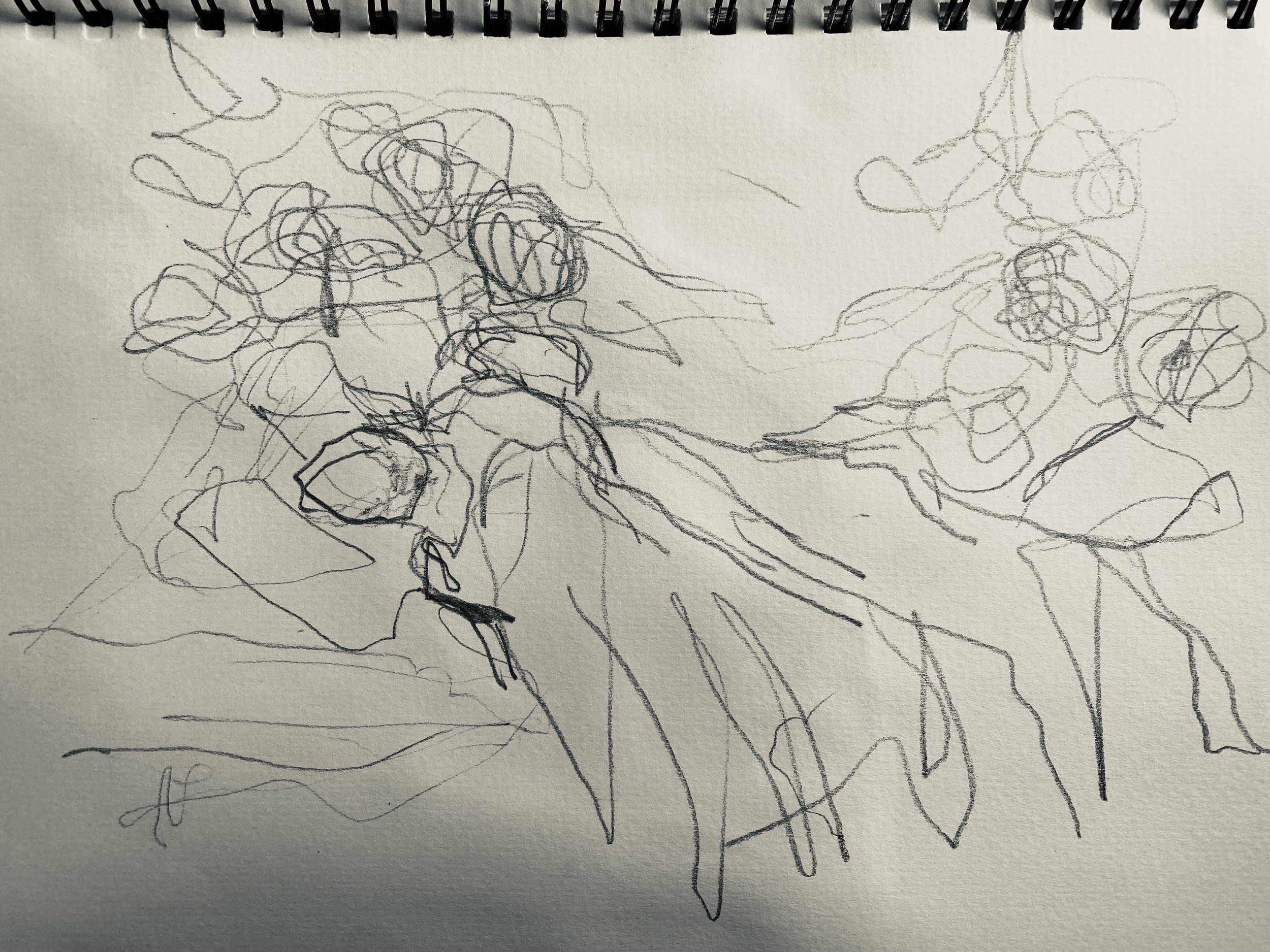
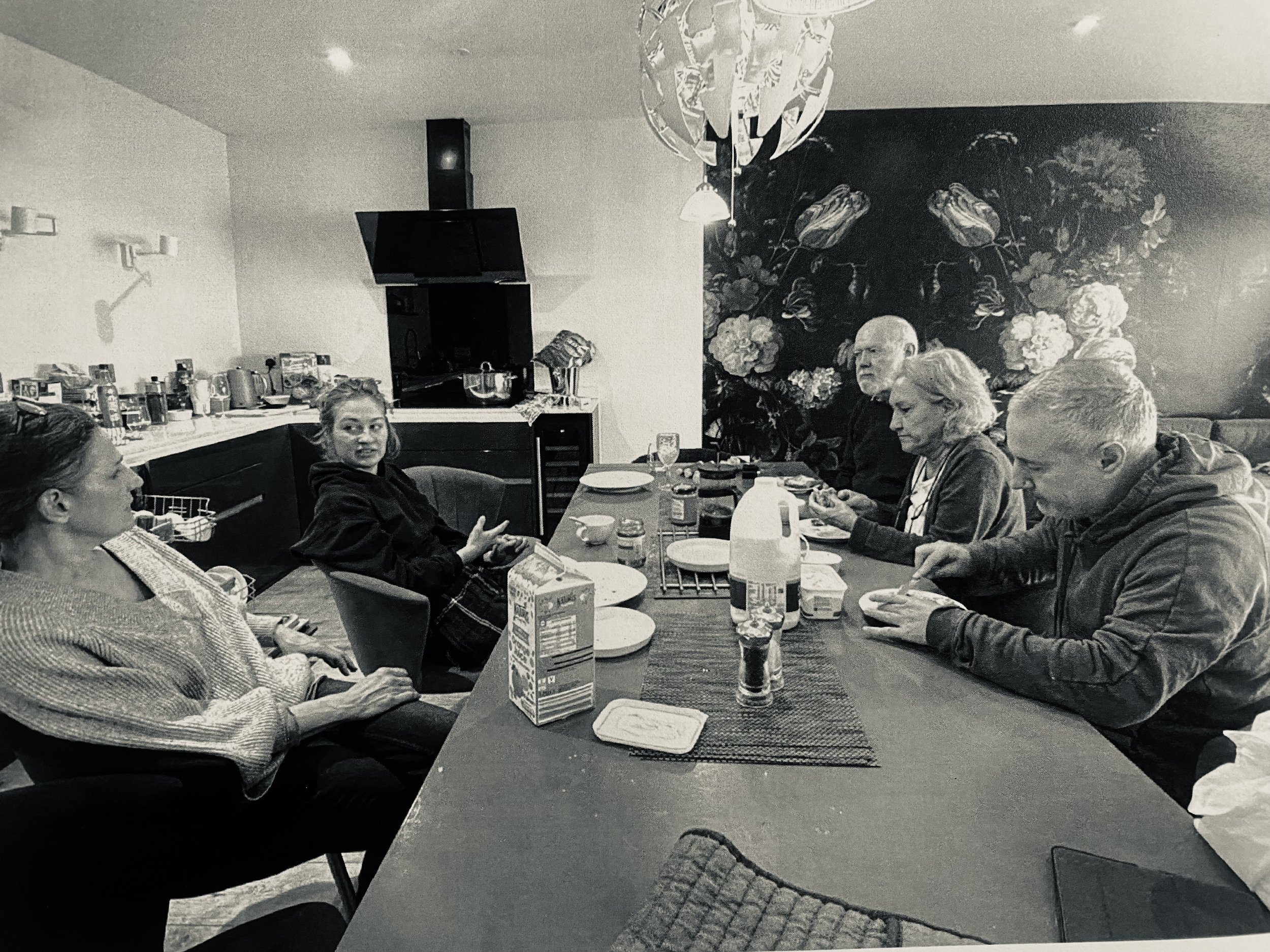
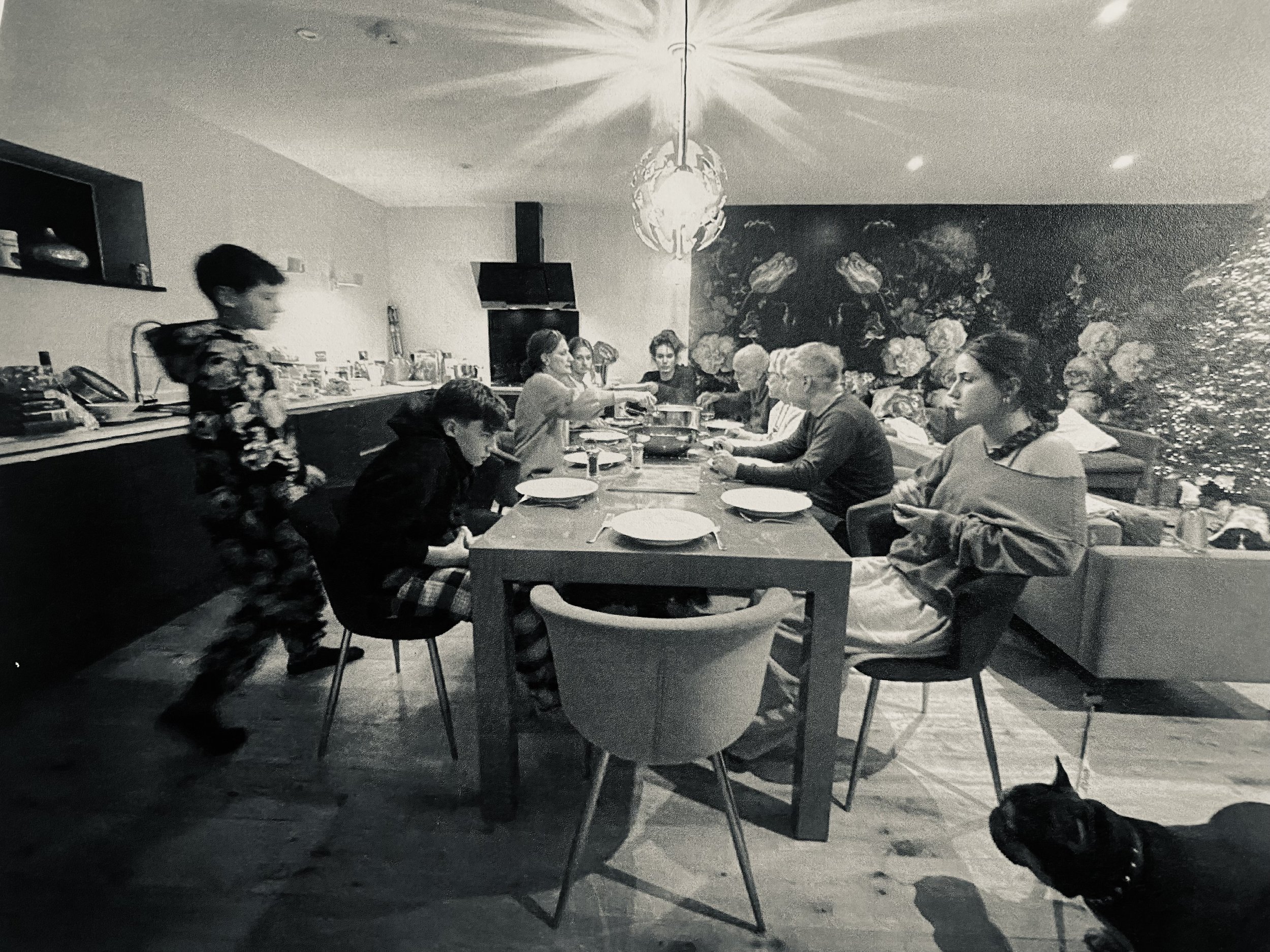
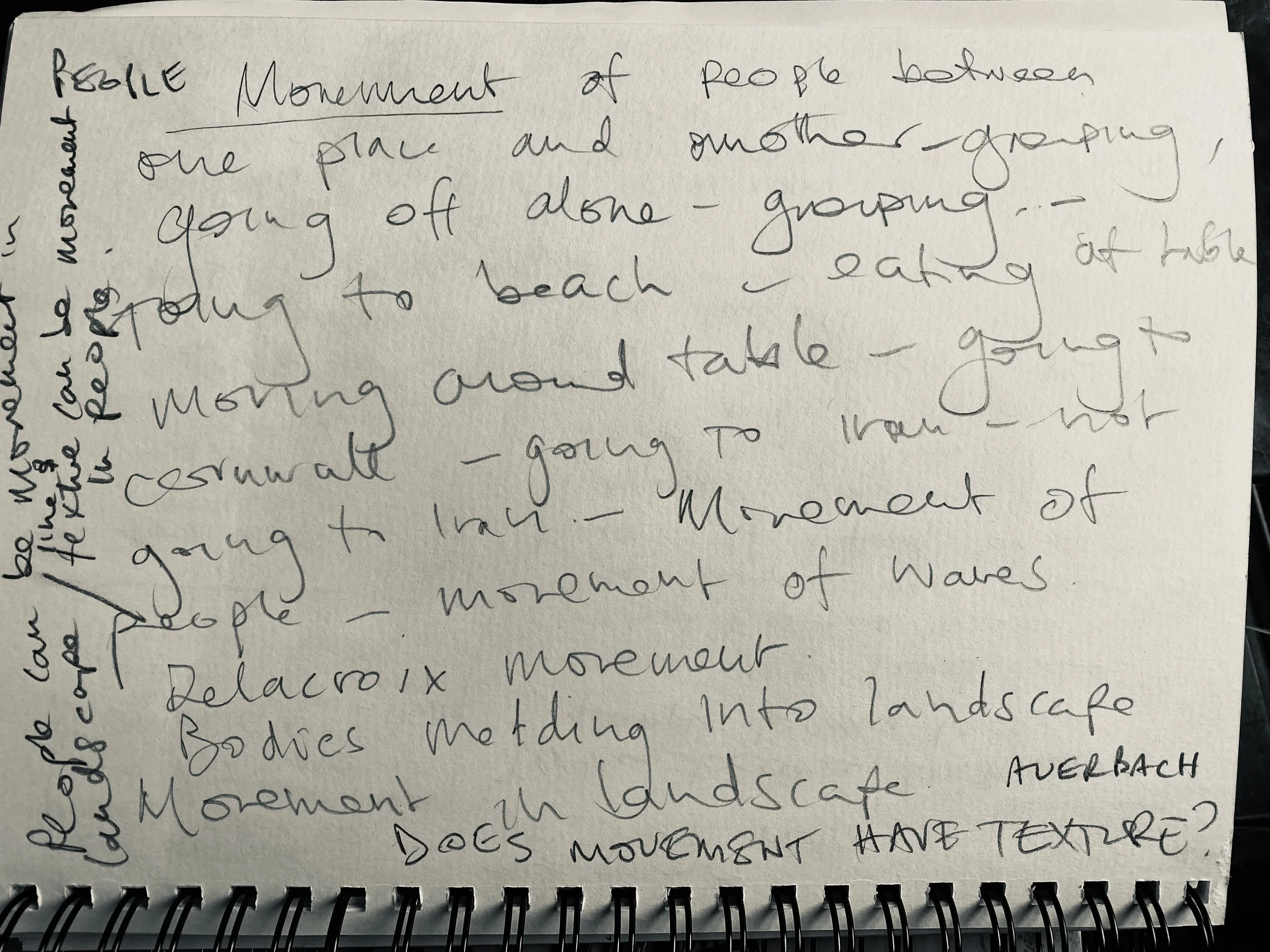
Blend people with landscape. Group of us as a family and the movement of us around the house, beach and area. Centred around the living room, dining table and beach. Began drawing us as a group to incorporate into the landscape.
Looking at Titian, Rubens, Auerbach figures in the landscape. movement of bodies, blending with the texture of the landscape.
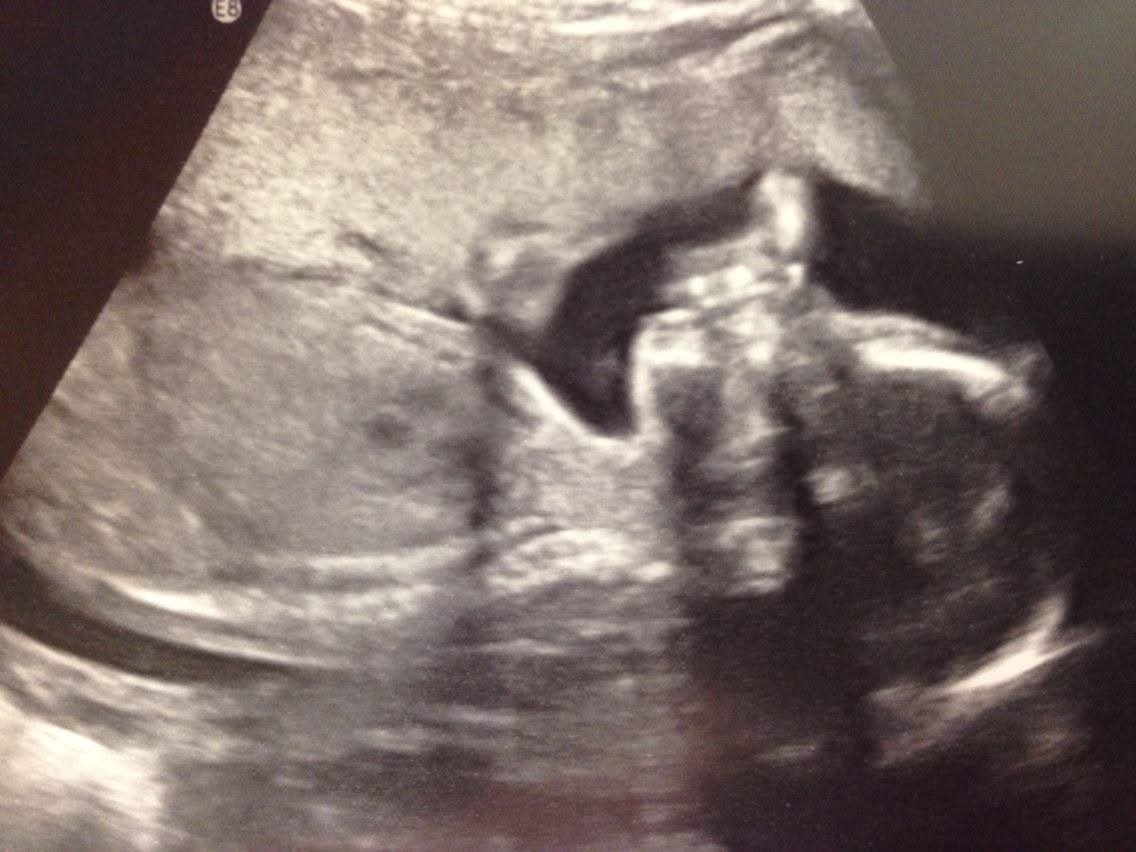
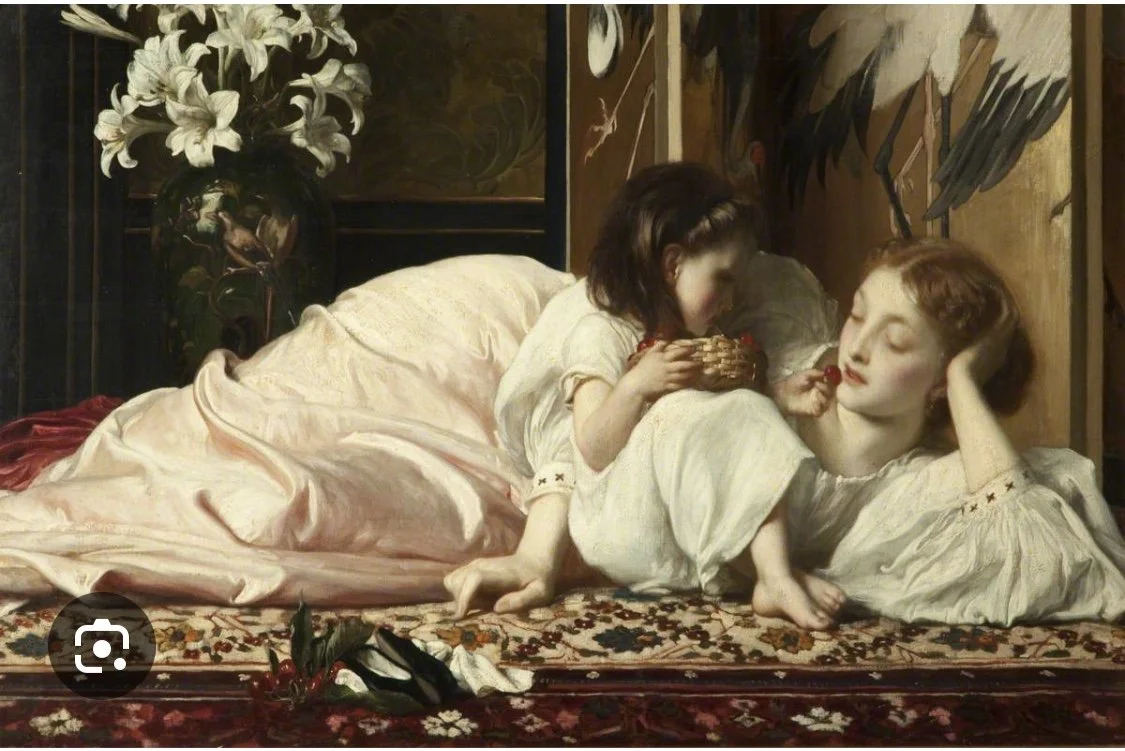
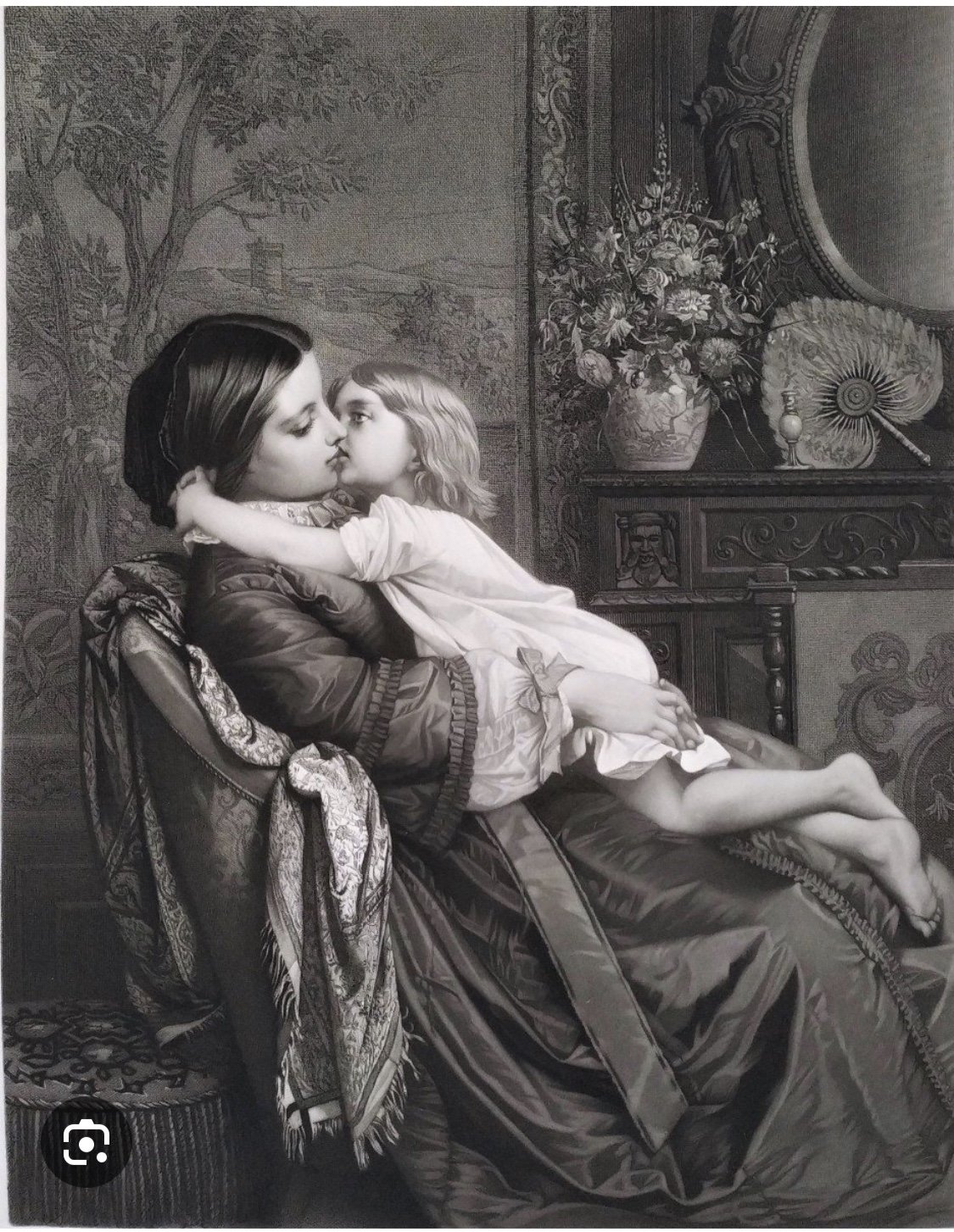
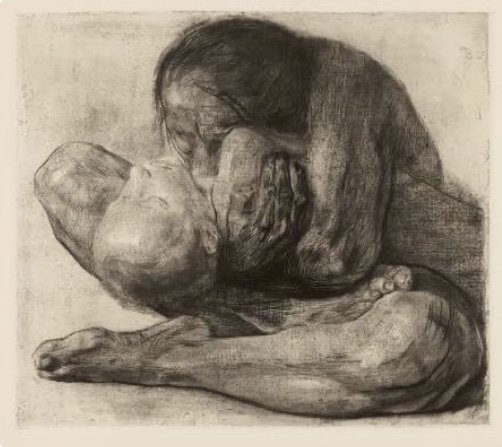
I used these images to work from, creating a series of drawings. I then used these drawings to create another set of images incorporating mother and child into the landscape as can be seen below.
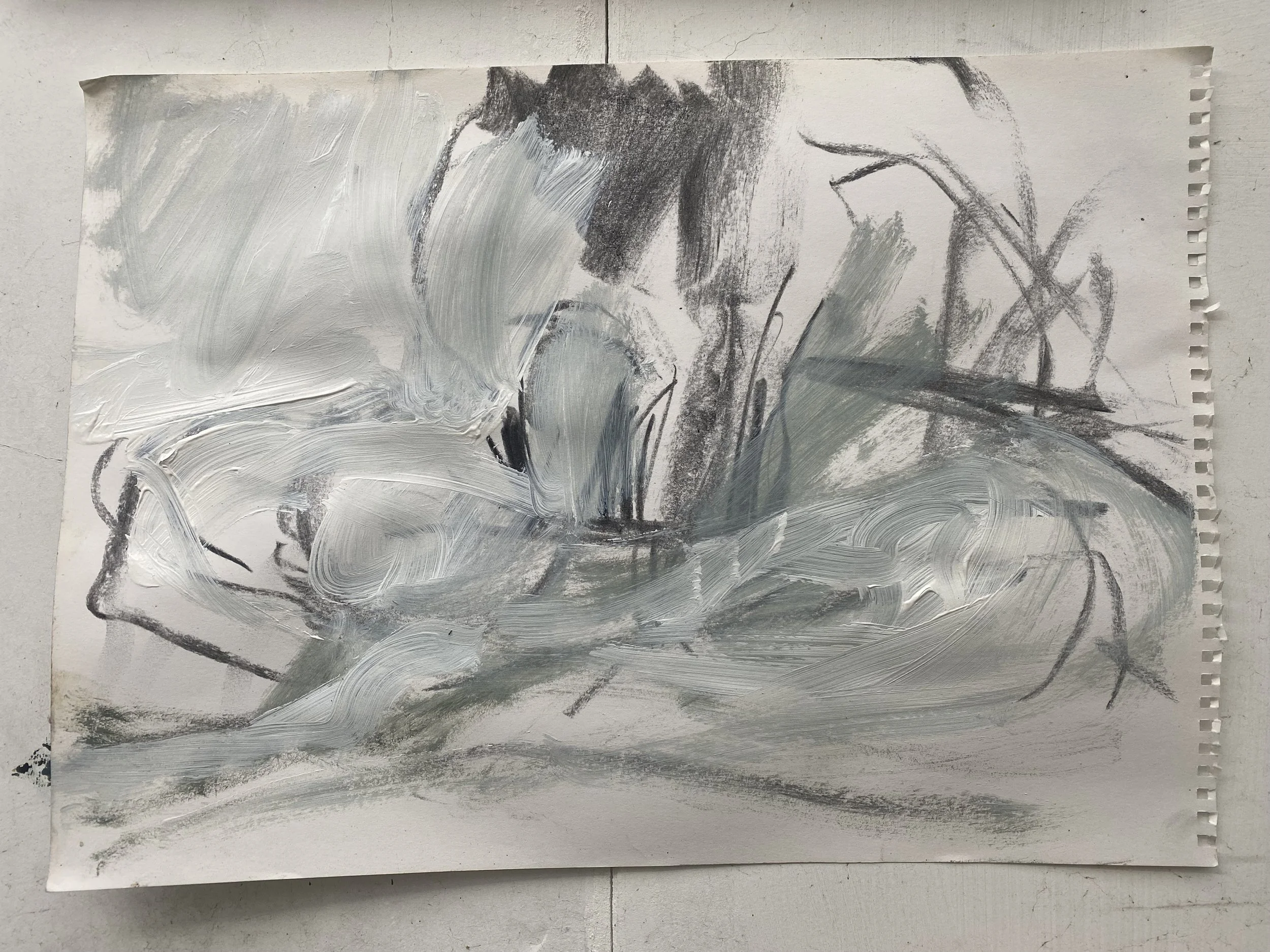
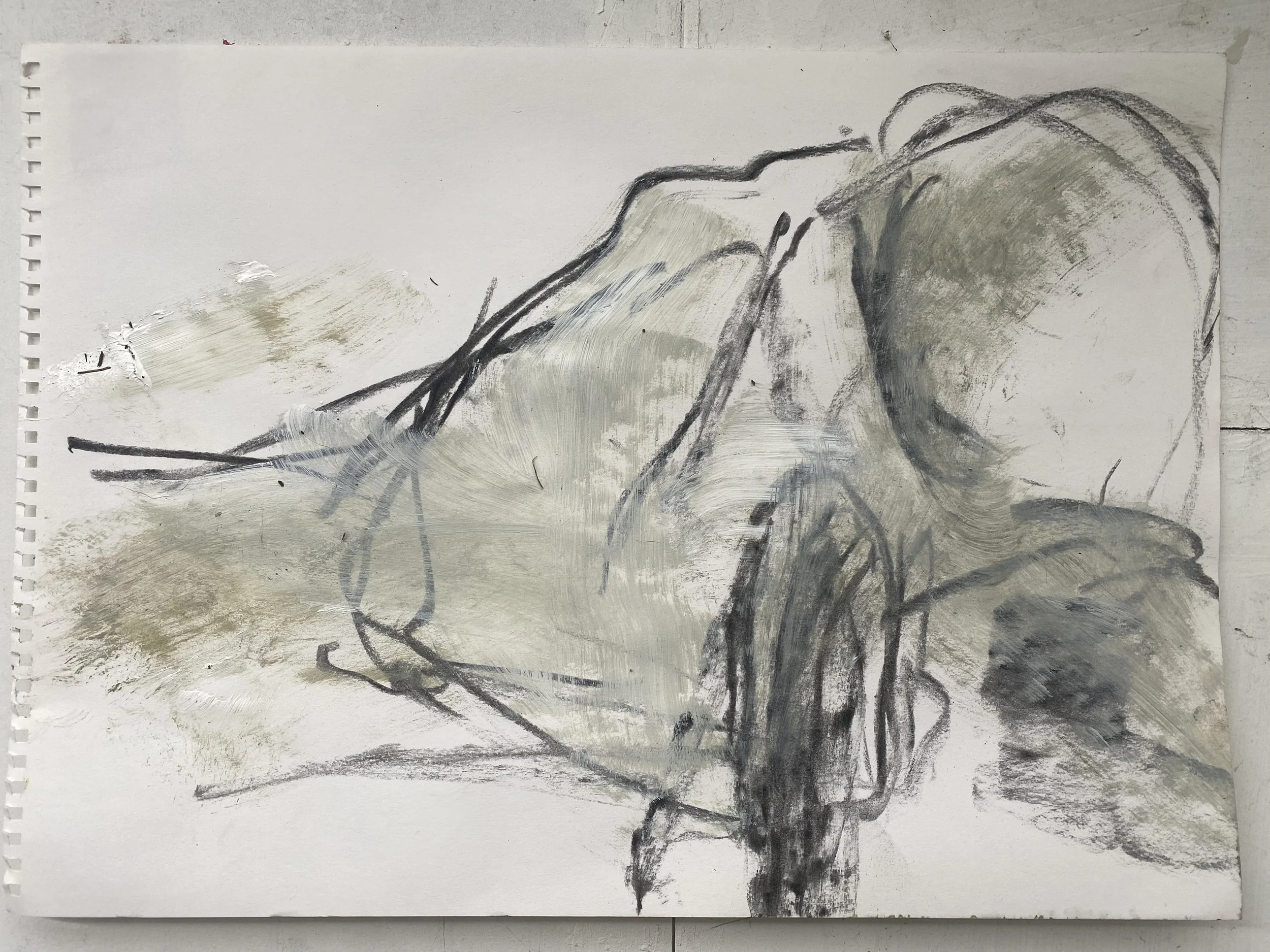
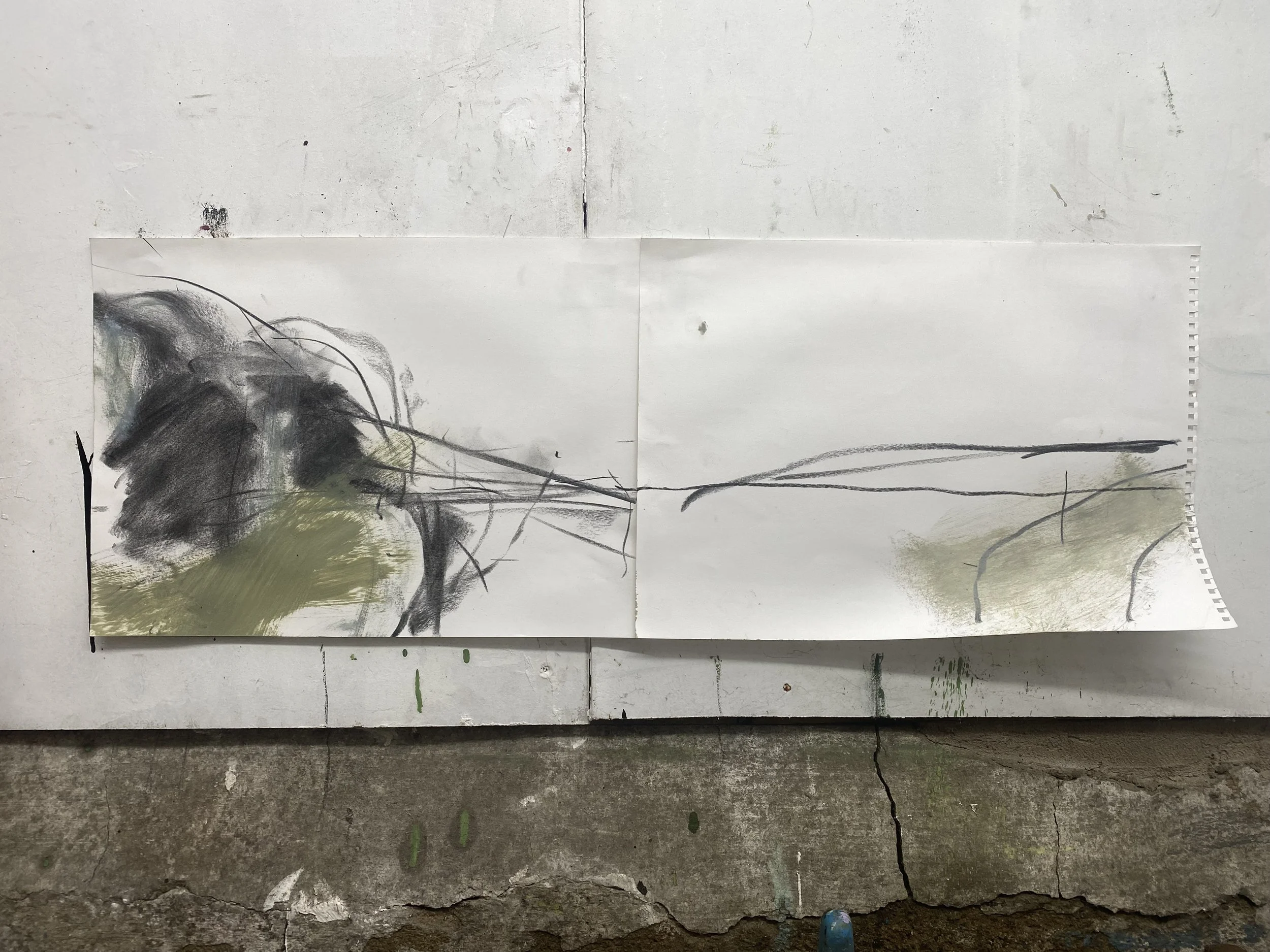
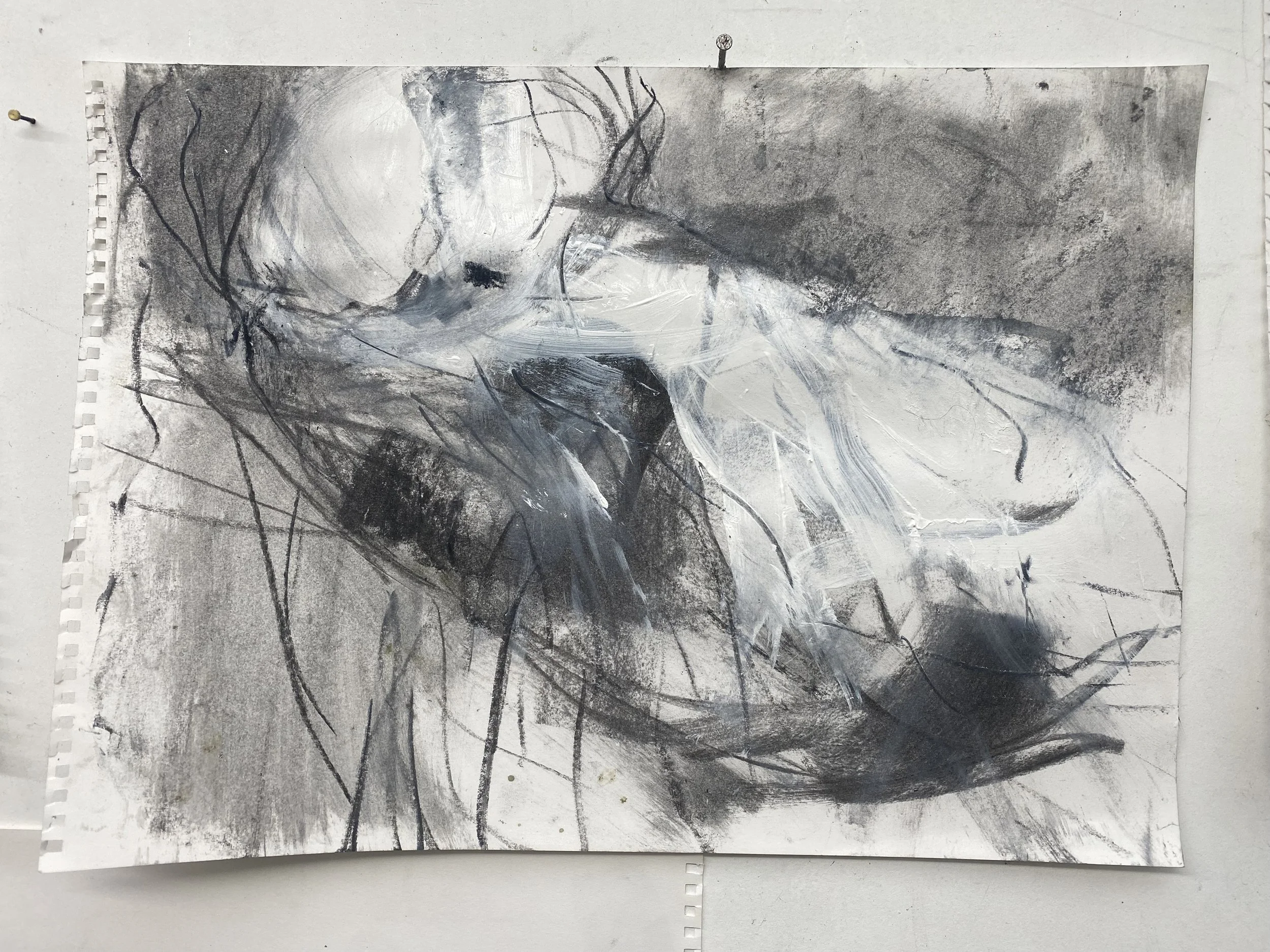
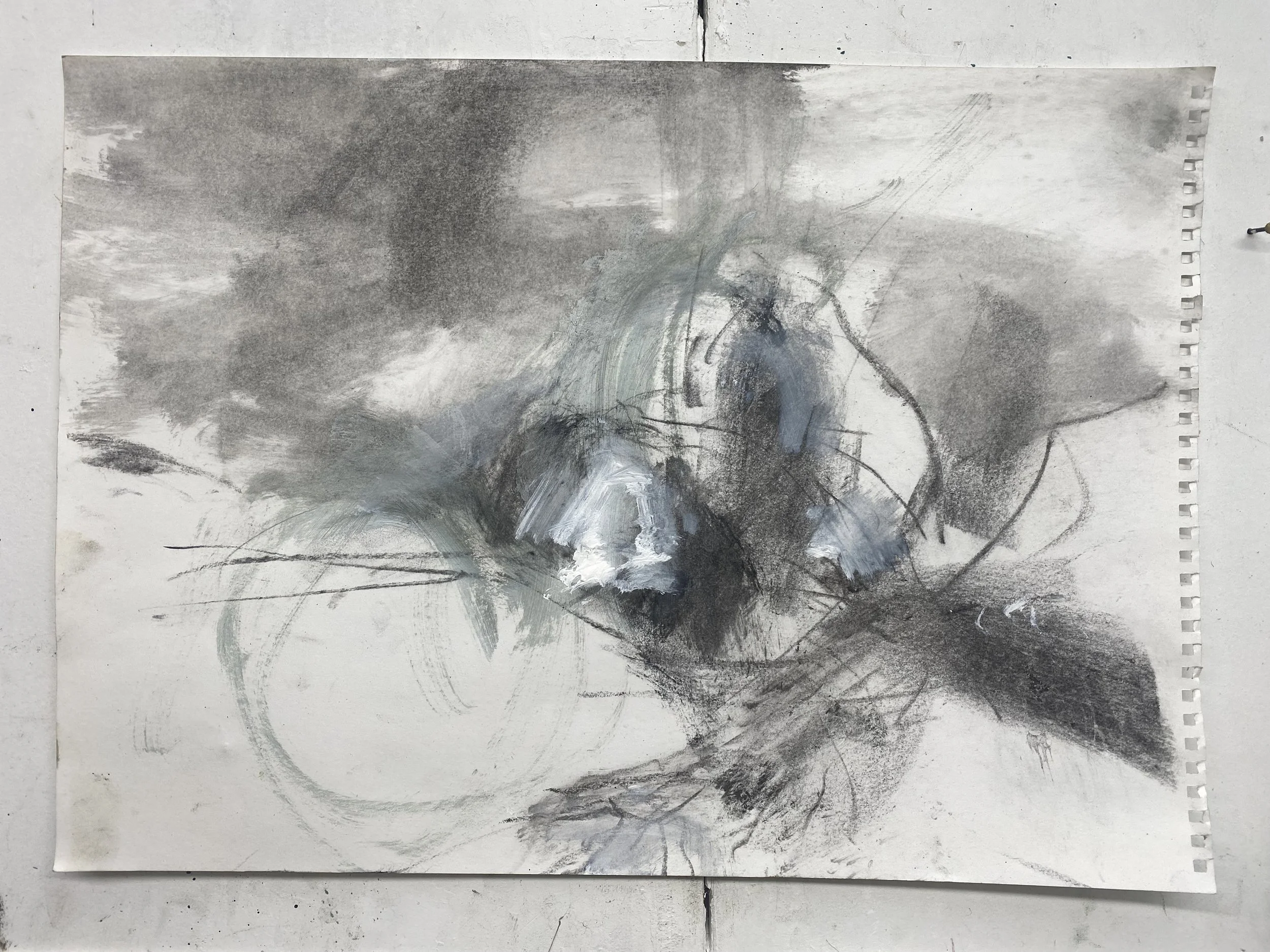
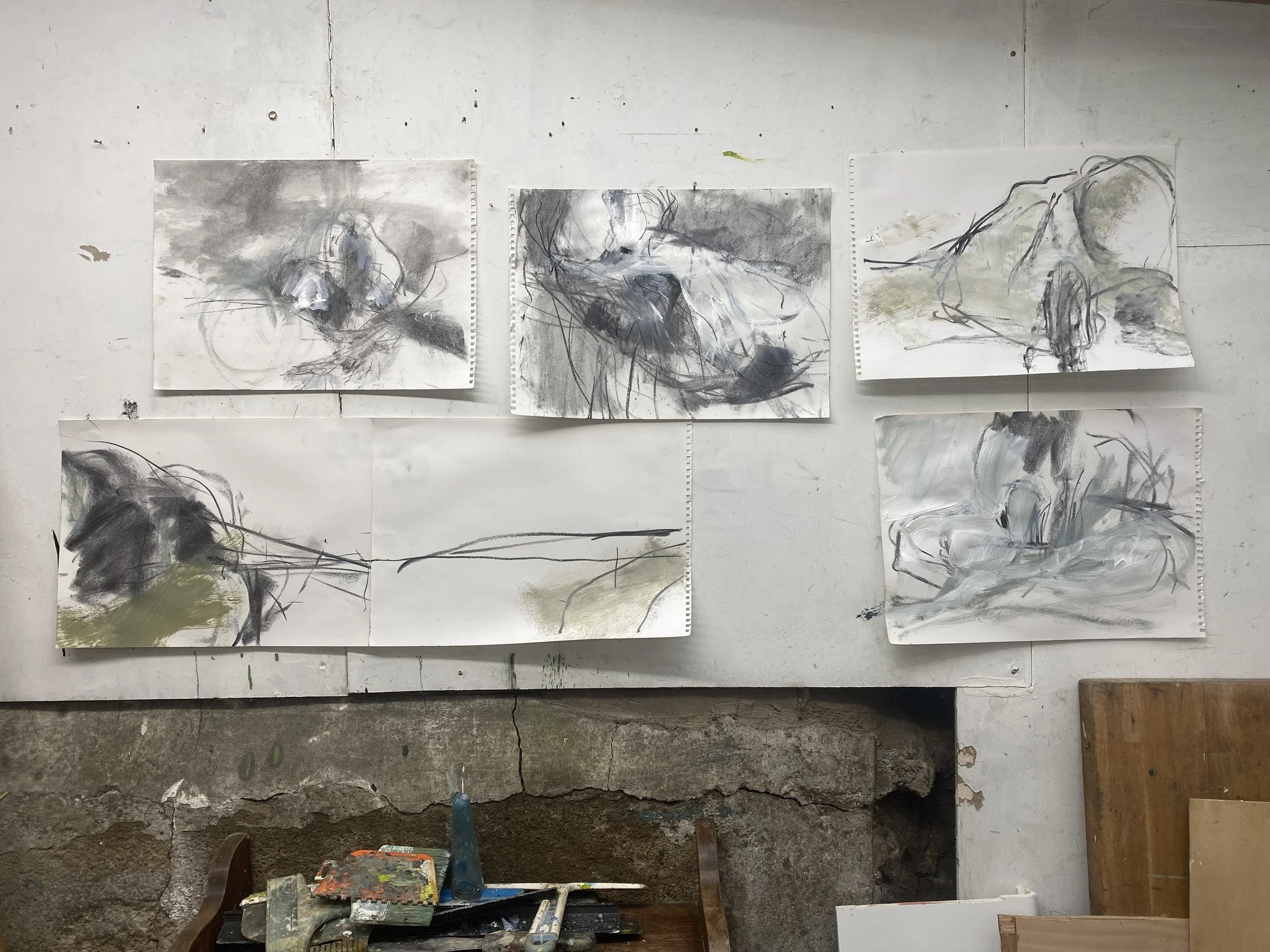
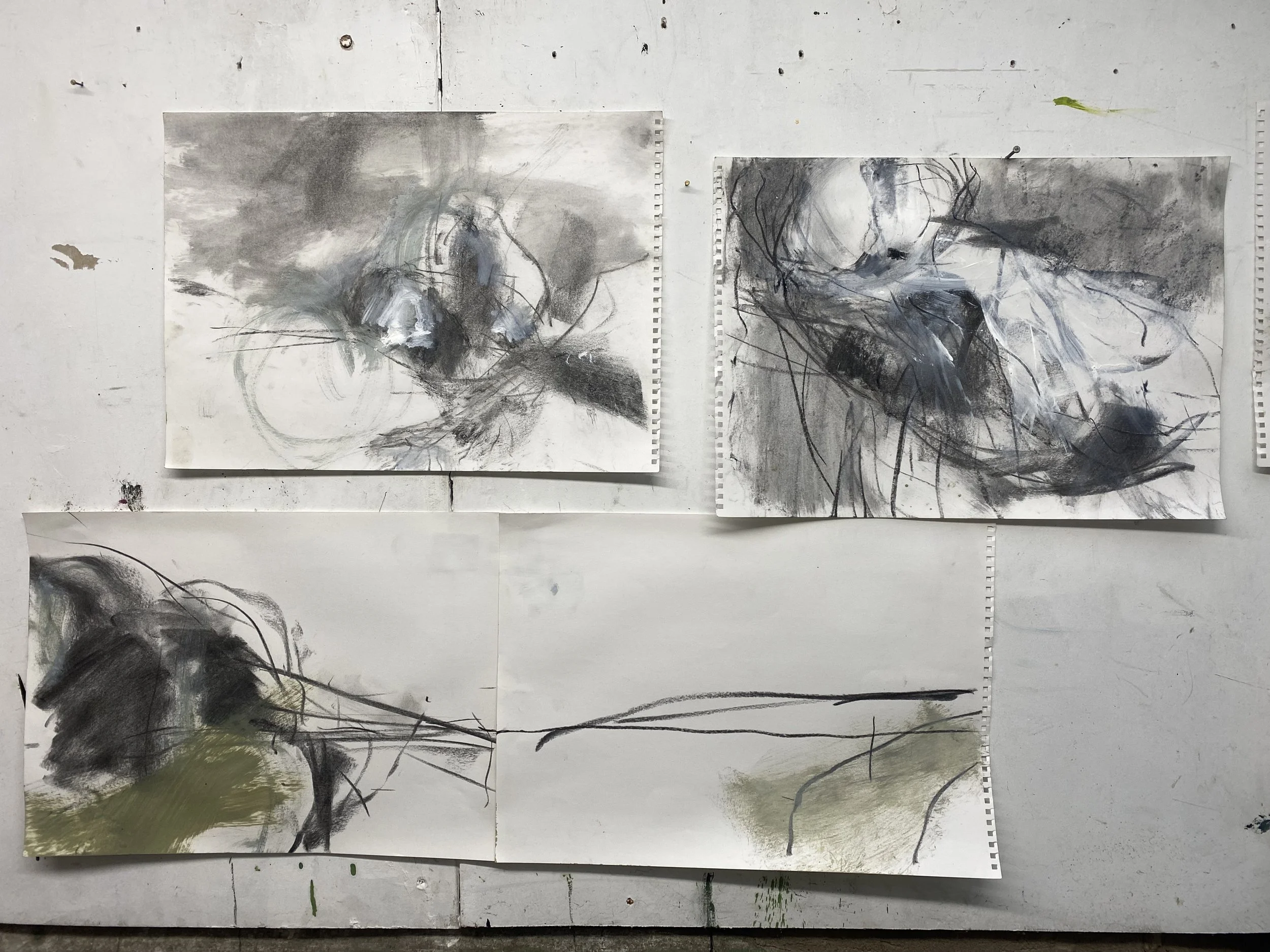
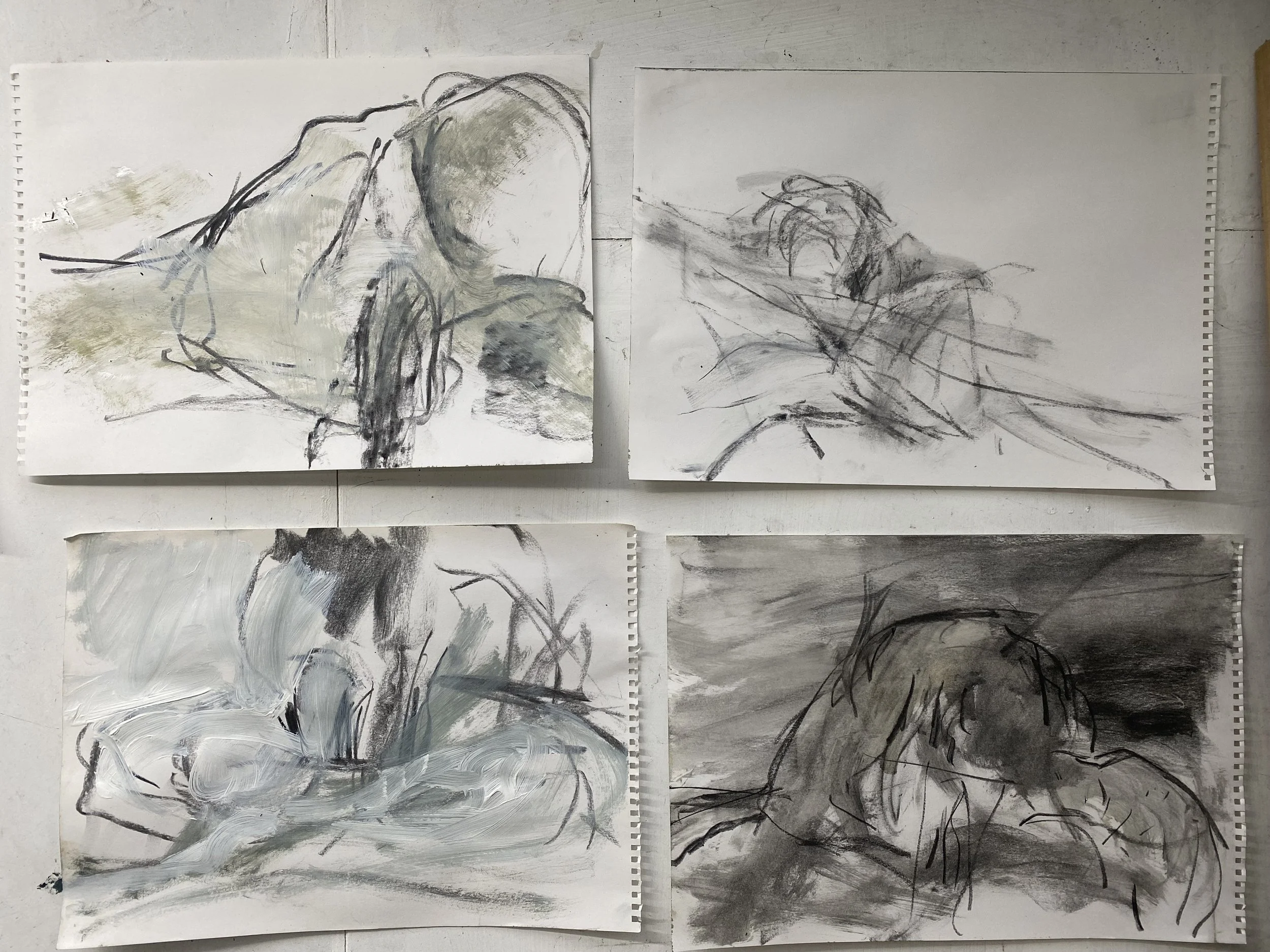
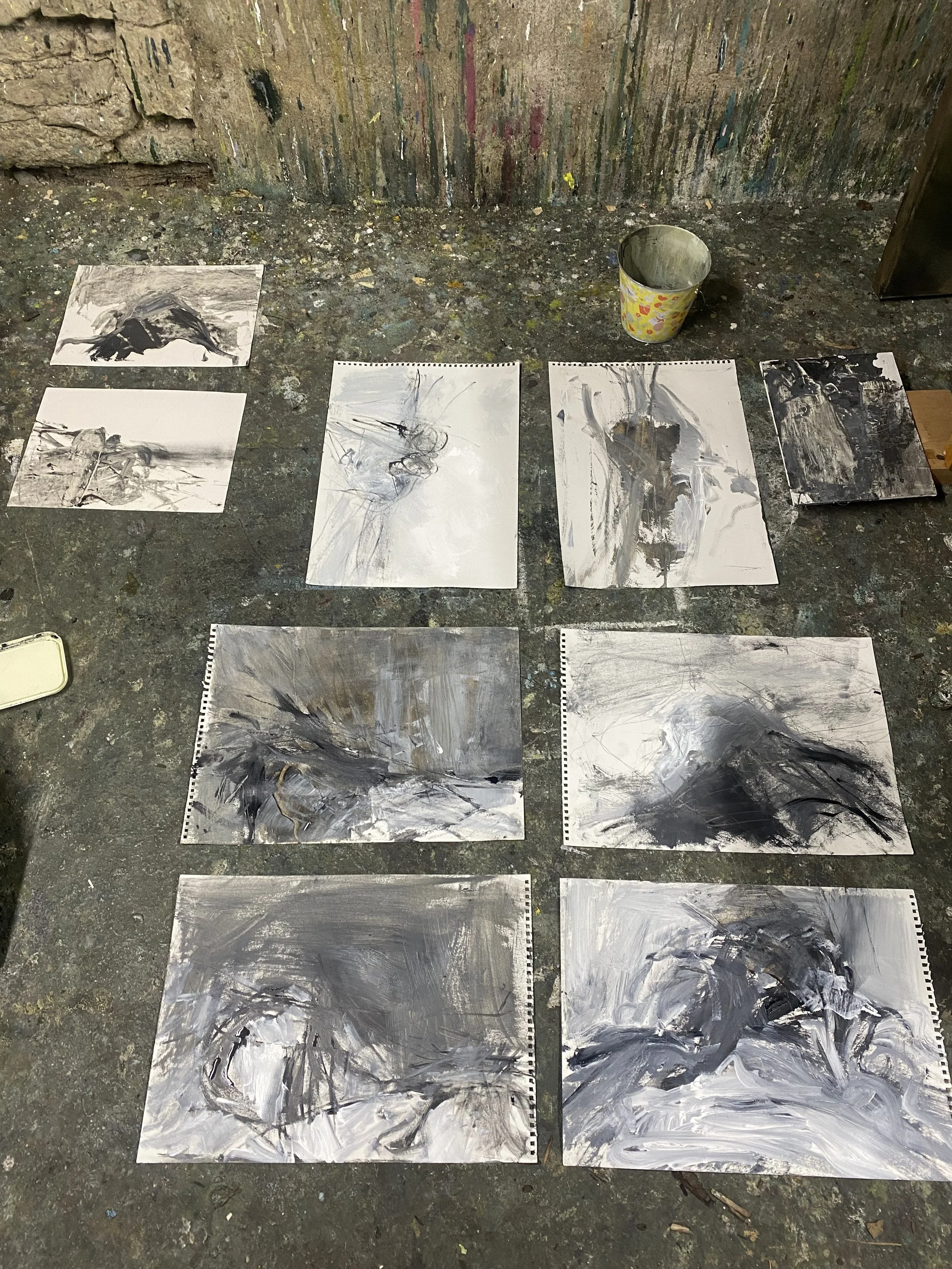
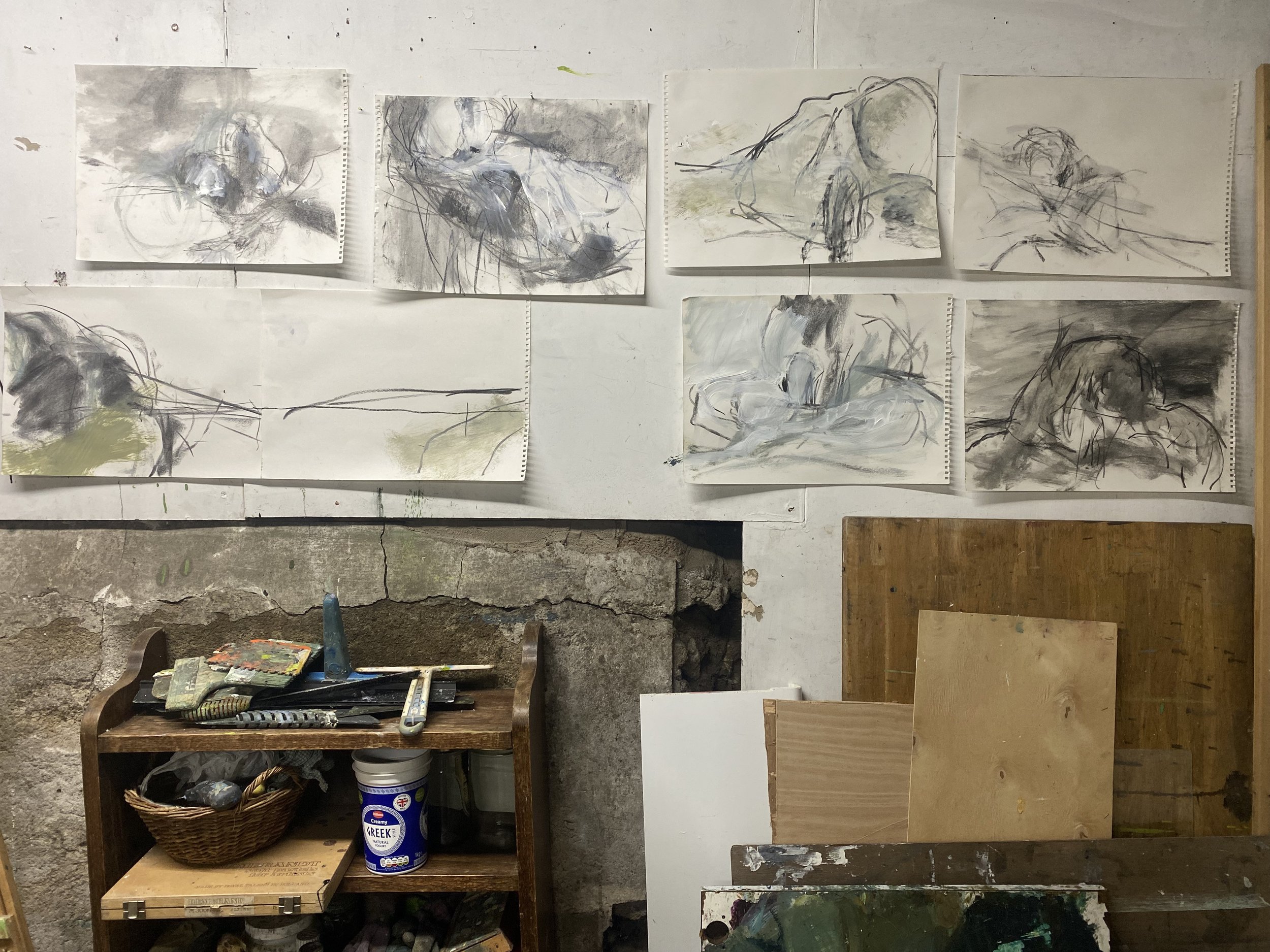
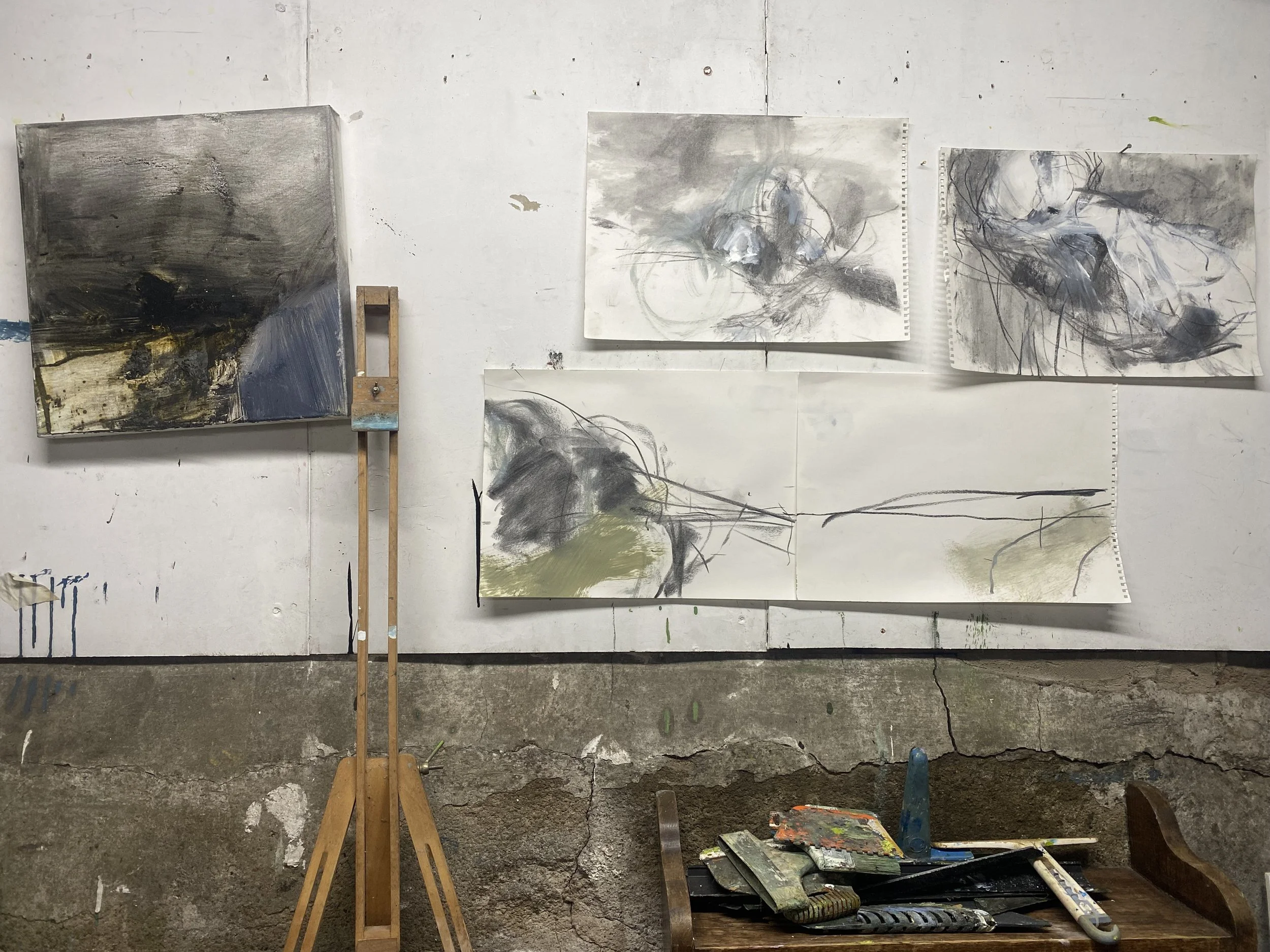
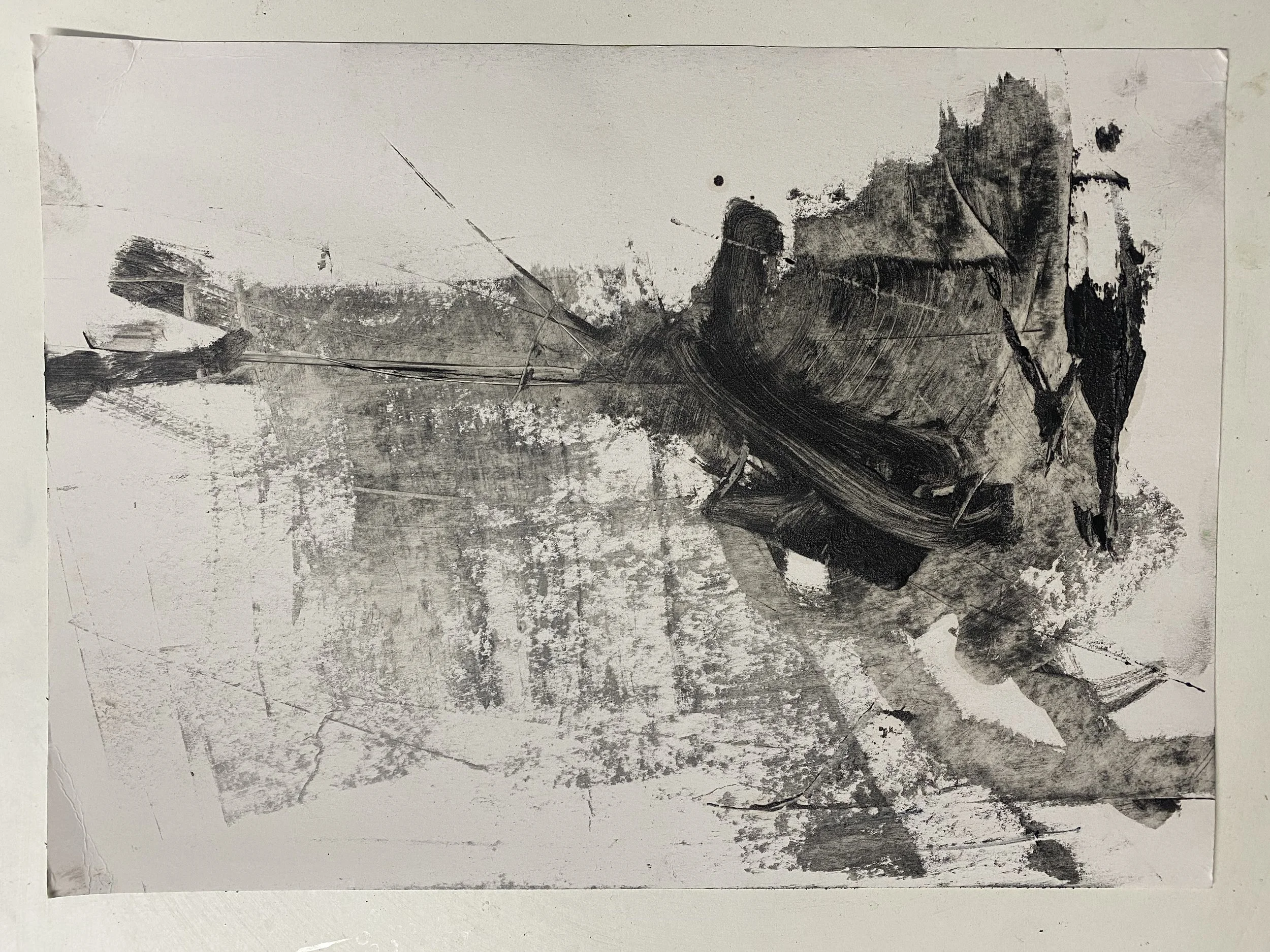
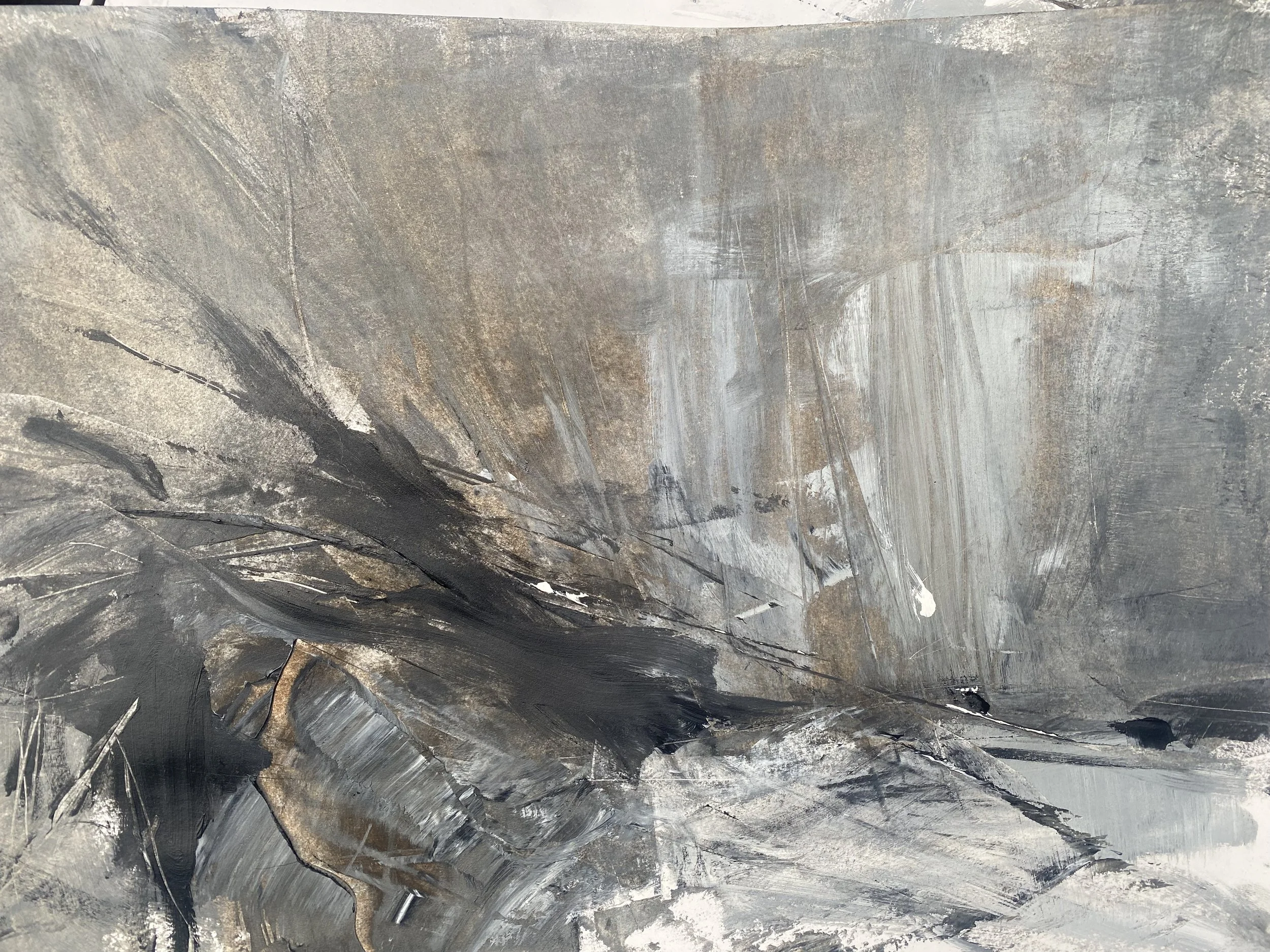
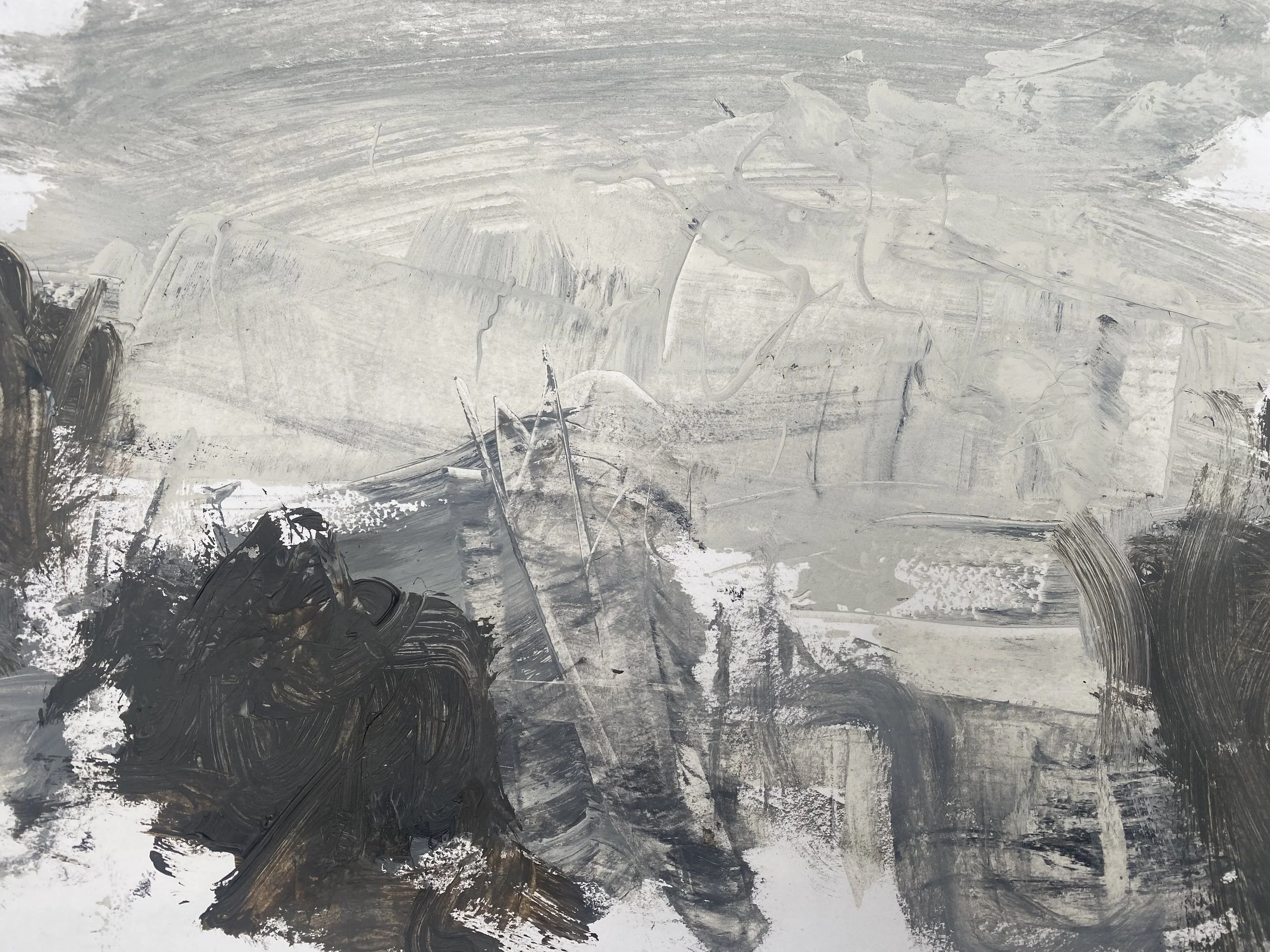
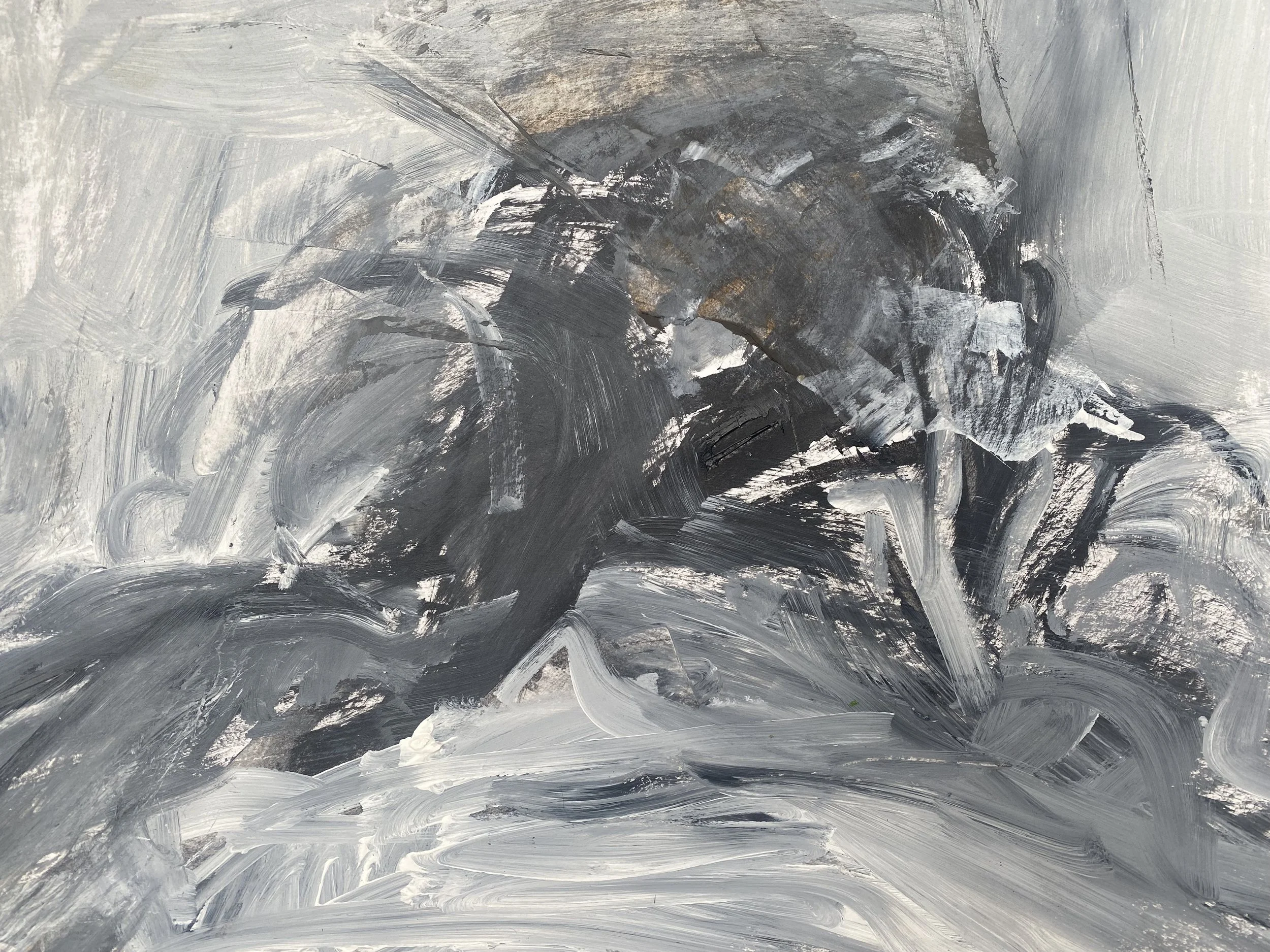
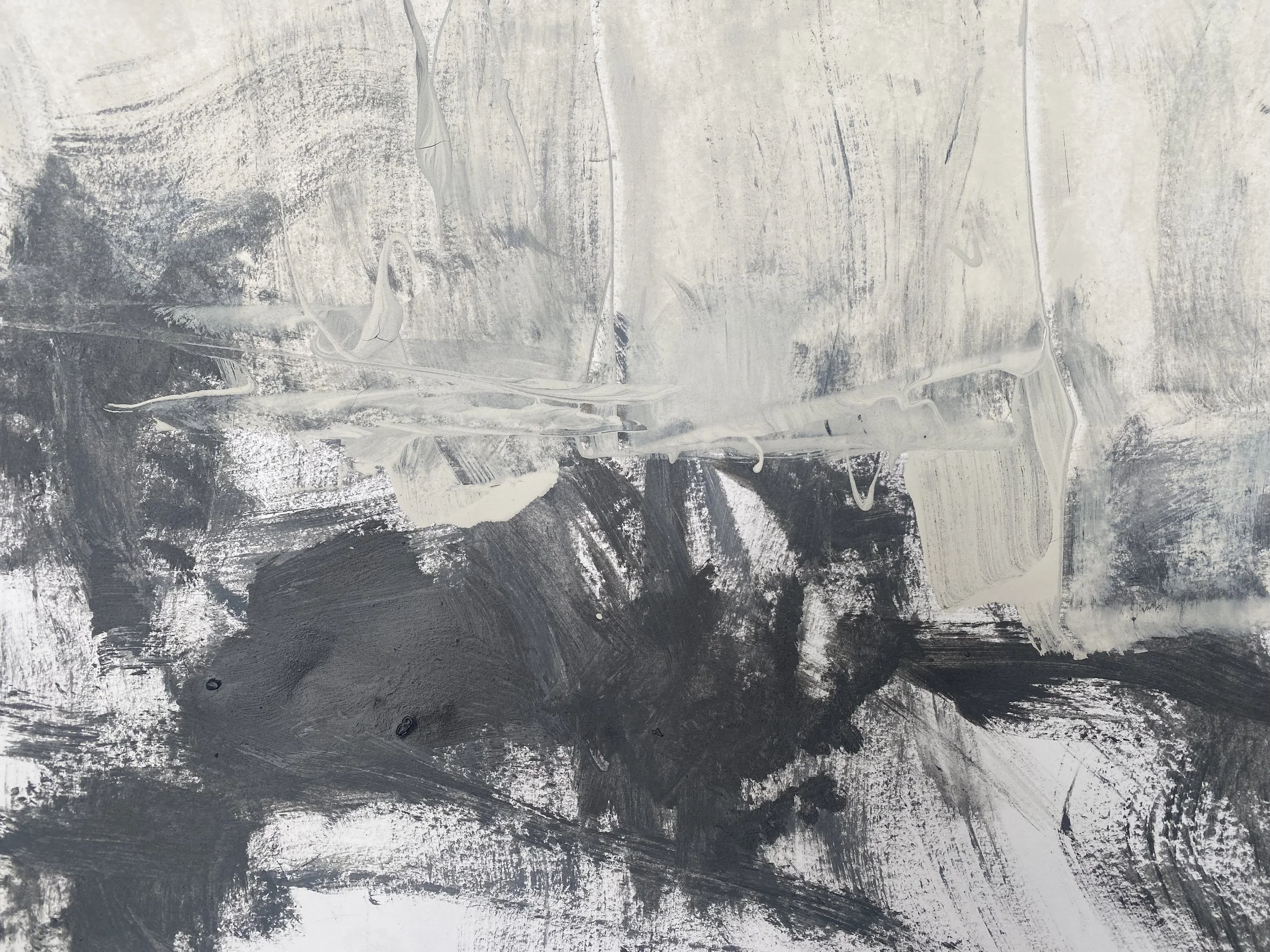
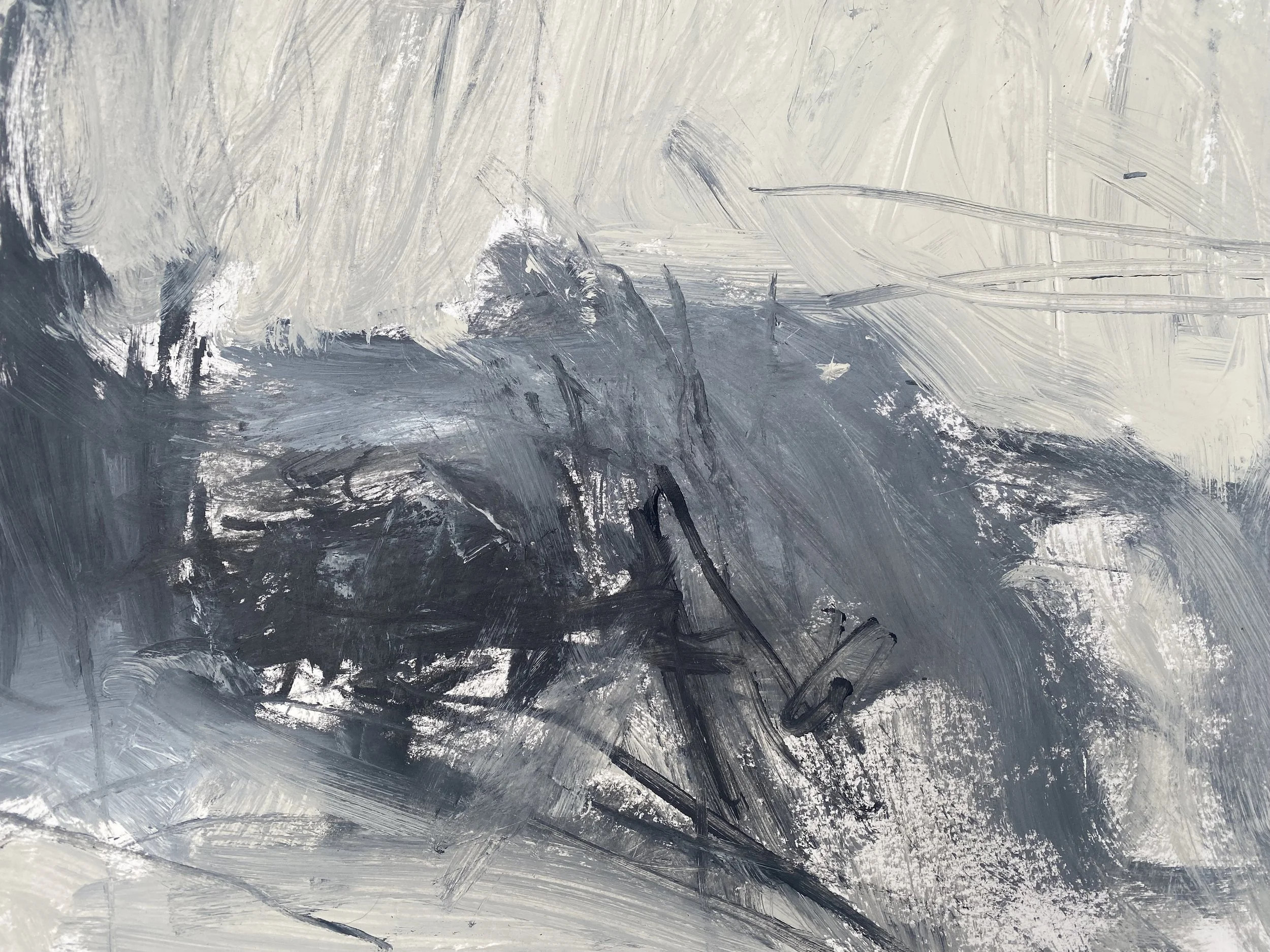
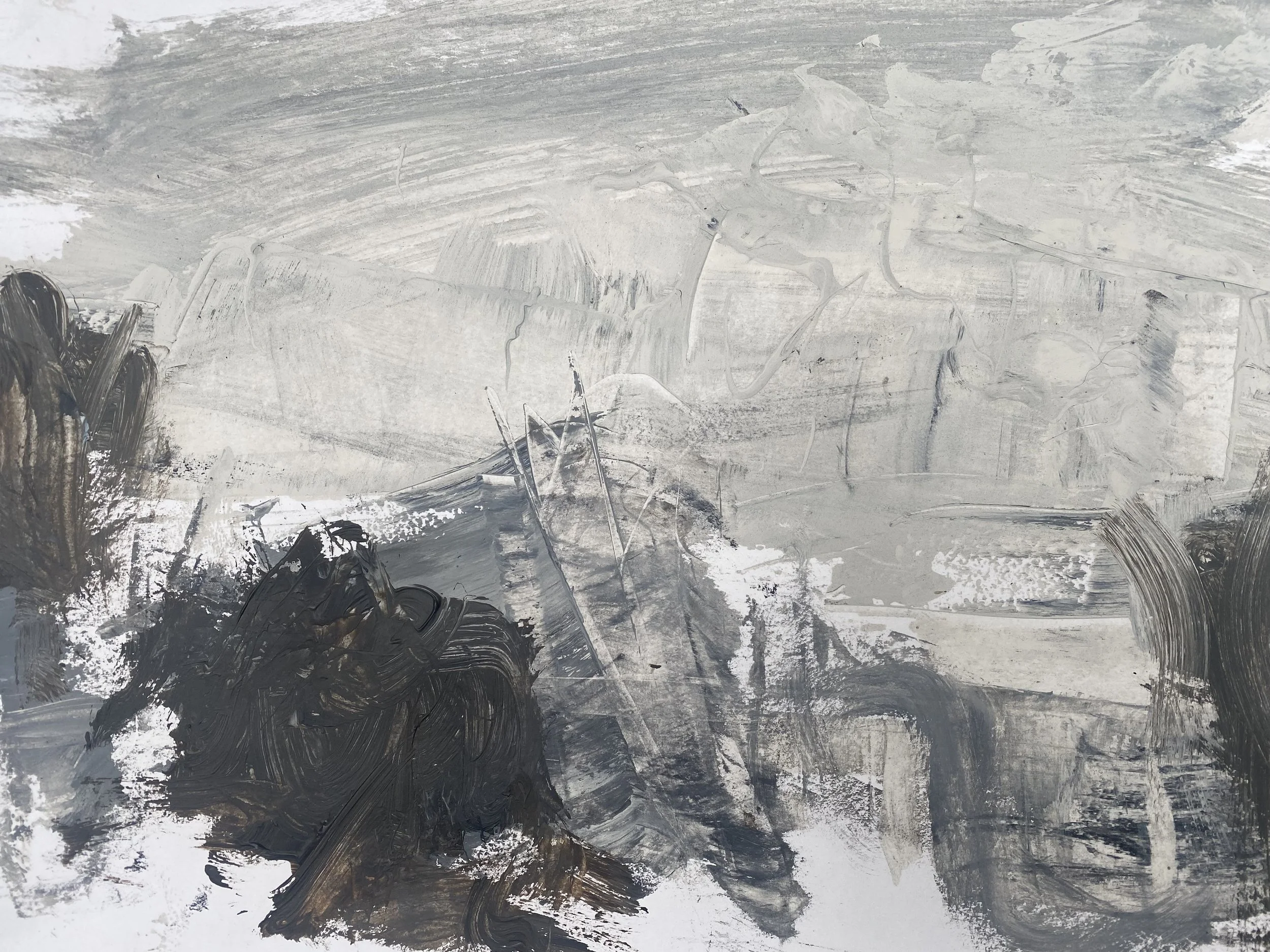
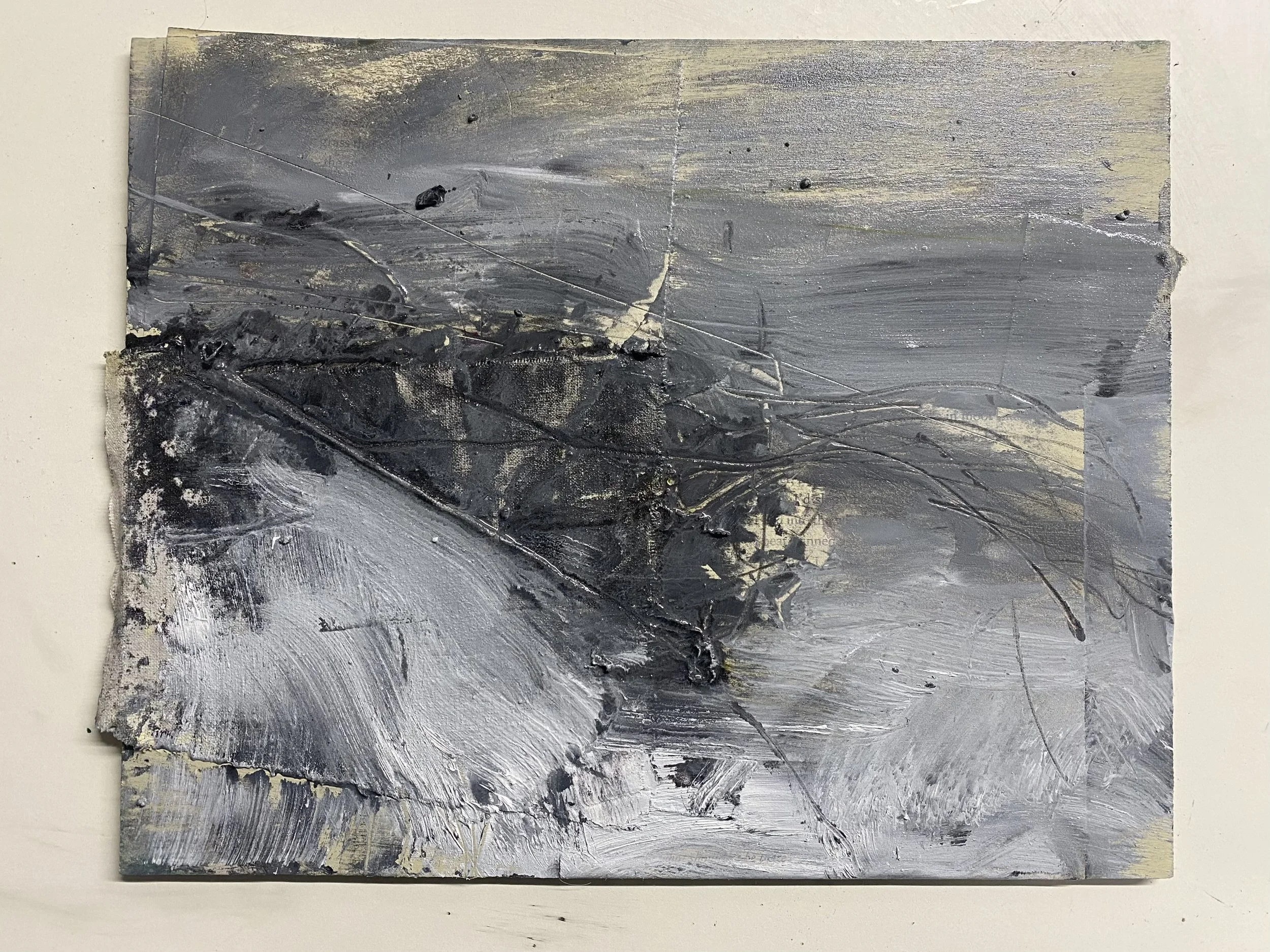
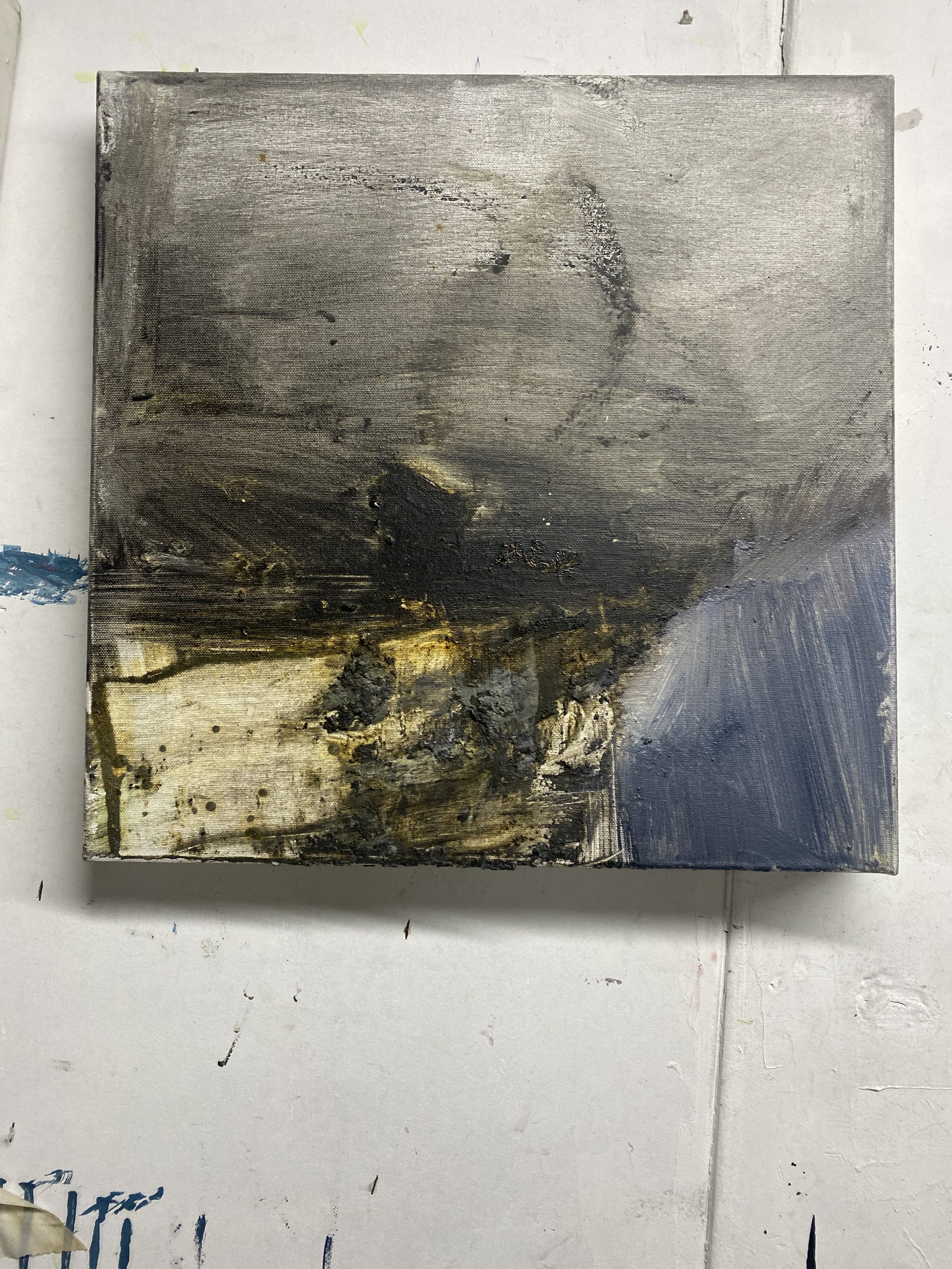
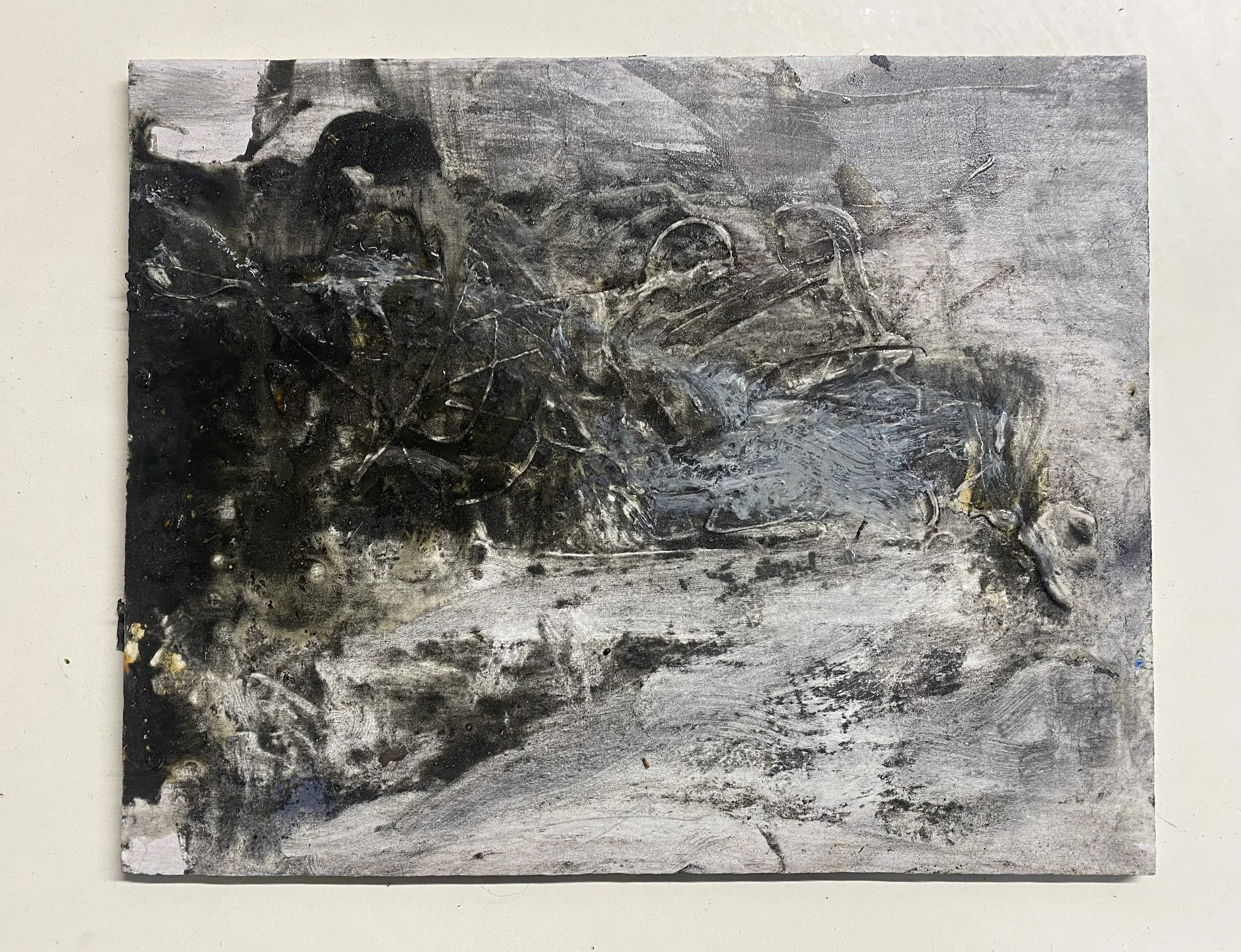
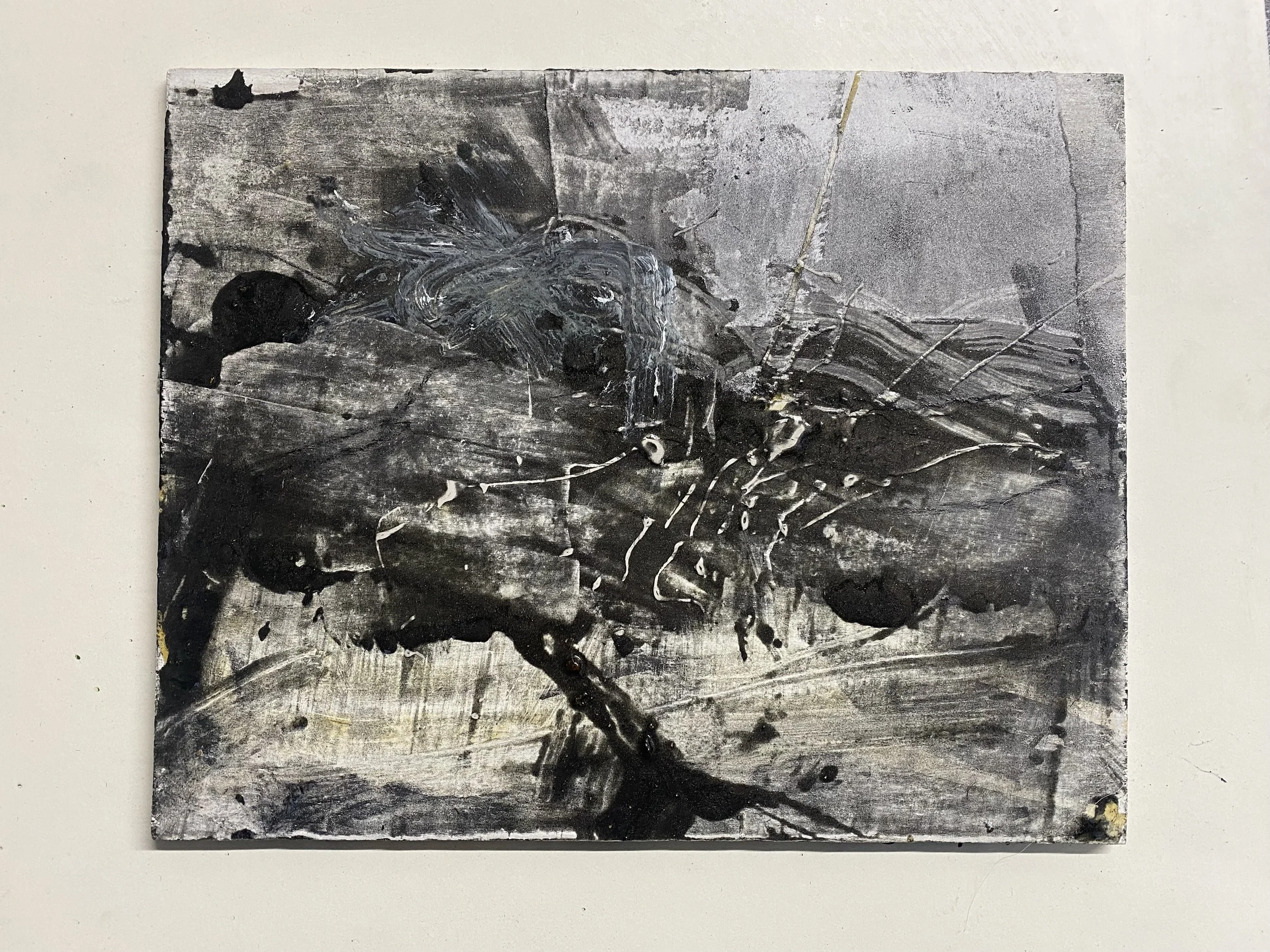
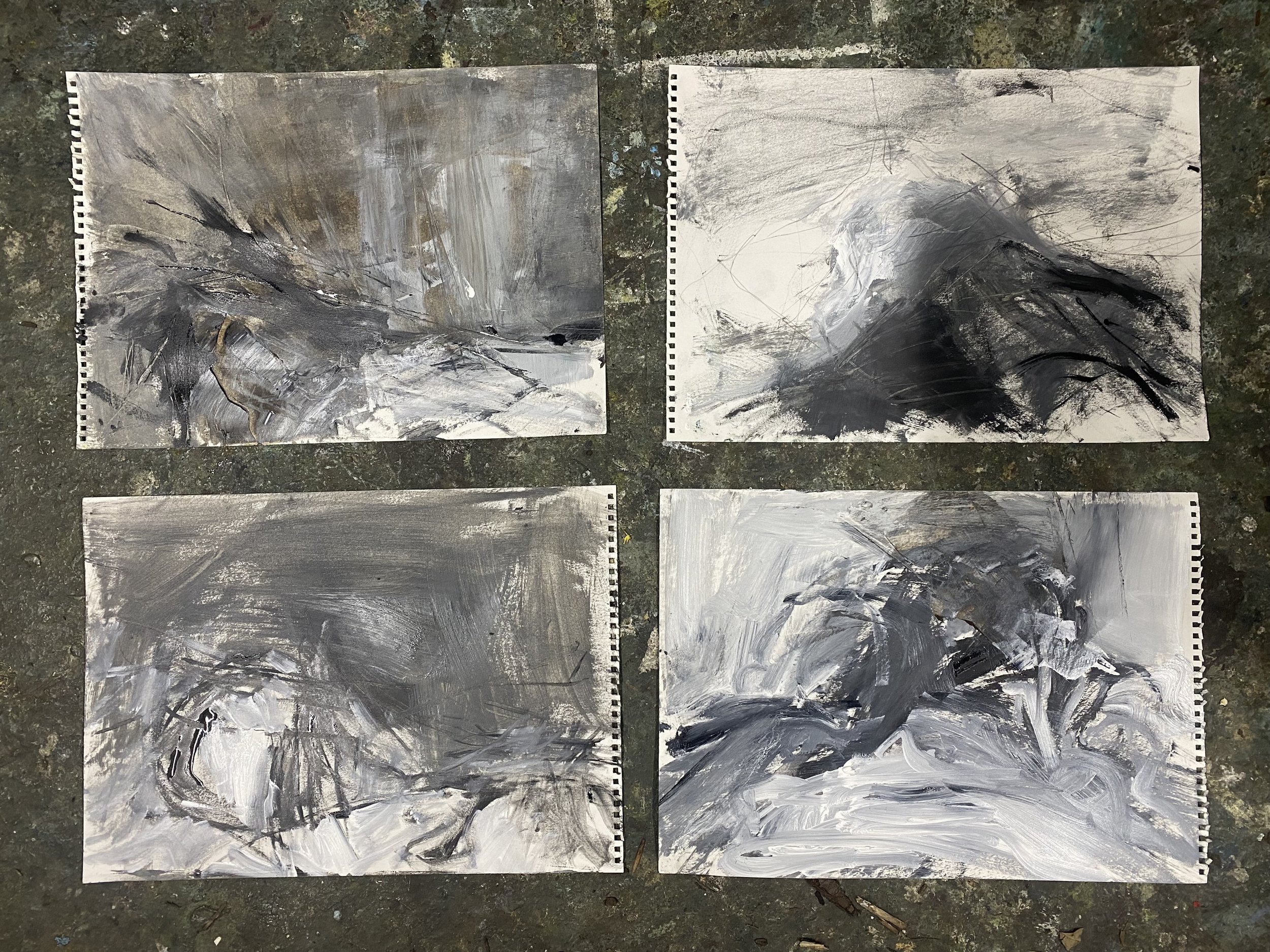
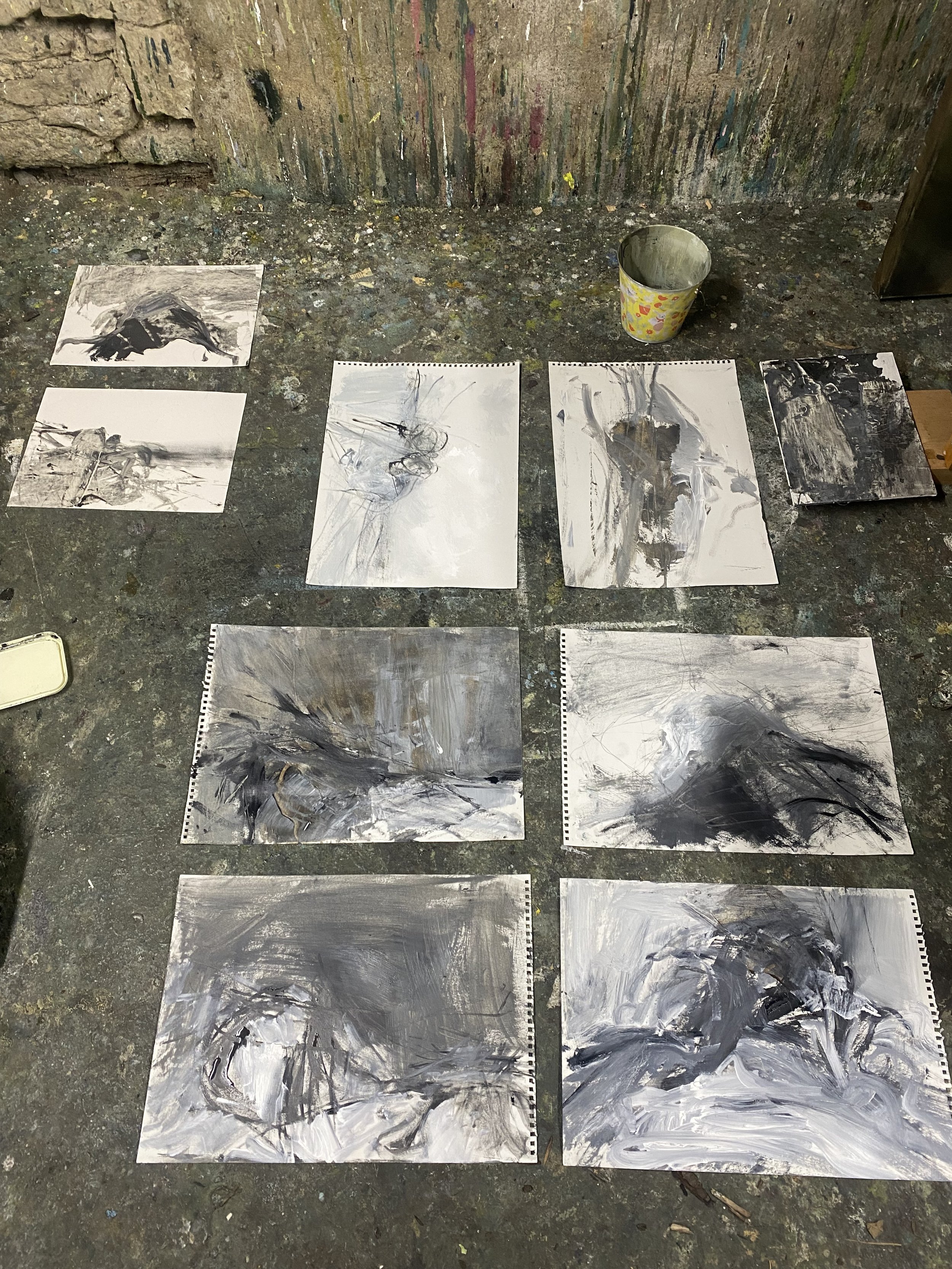
I spent two weeks thinking about all these things, thinking about family now gone and our lives and what the Islamic government have done to us. The knock on effects that effect even the future of family far far away. I thought of my mothers life and my aunts and uncles and all their children, mainly all exiled from Iran- the aunt who stayed in Iran, separated from her child who had to leave to have a future. I thought about all the pain, especially for the people there watching there young children fighting bullets with stones because they have no life anyway if they don’t fight.
I then read a book called Prisoner of Tehran and another history book about Iran and really started to research what happened in Iran in order to try and make sense of the feelings I had- somewhere amongst all of this I, being only half Iranian had never truly felt Iranian.
During all of this I have actually given myself permission to be Iranian. As the oldest of three, I spoke Farsi with my mother as well as English with my dad. My dad is from Yorkshire. When I returned I could speak again and have lately been trying to speak to people in Farsi when I can.
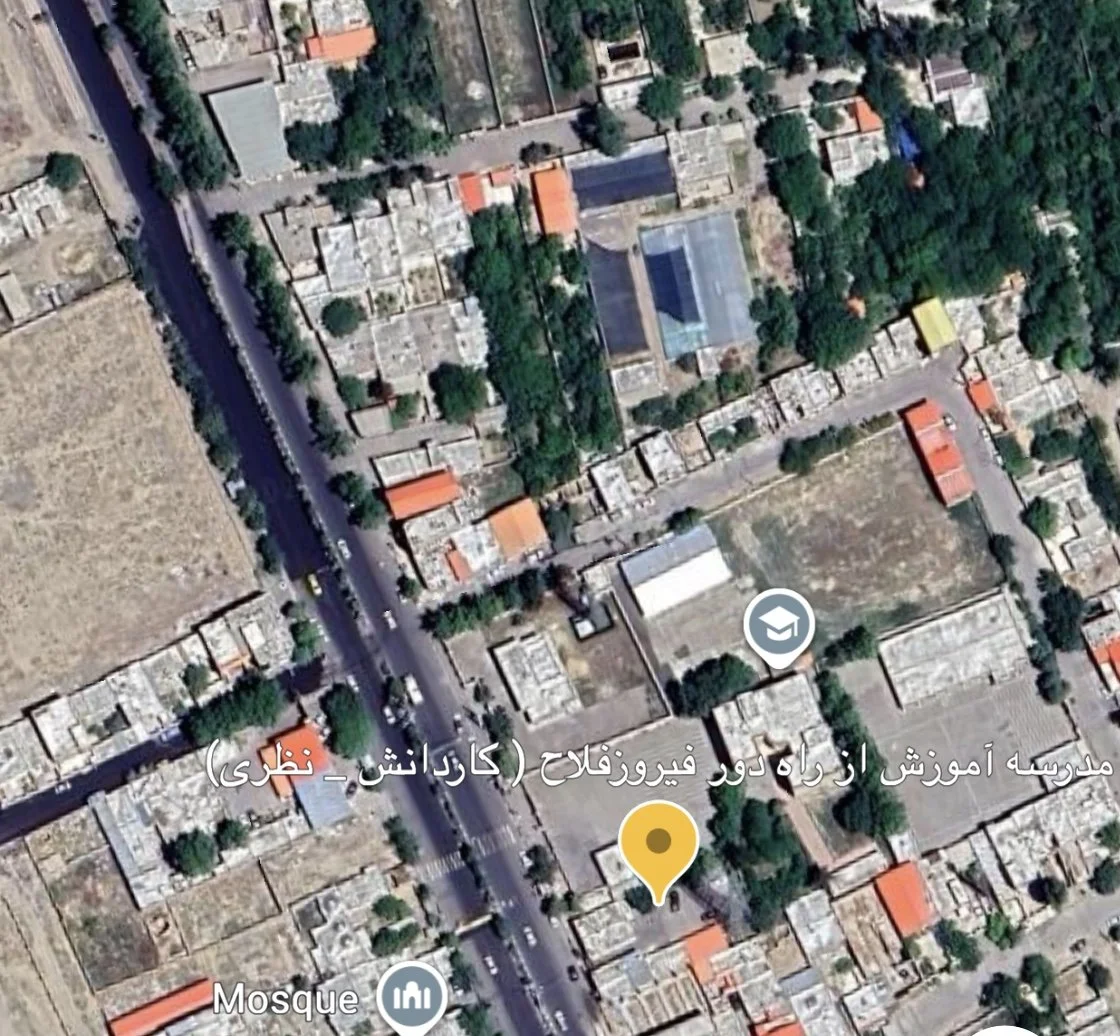
I started looking for the houses that we had stayed in when we visited Iran. My grandparents owned a large house which was head of a village called Chardonge near Karaj. He bought land in the early 1940’s, built a house for his family and then built houses for the villagers who came to work the farm. The farm was a large fruit farm growing melons mainly. It was all confiscated in the middle of the night one night and my grandfather and uncles put in prison. Since then, and with the rolling on of the years, like waves of the sea taking the shore and all on it, it has been lost.
The village had its name changed during the white revolution and I think the farmland was given to the workers- something which went disastrously wrong as farmers couldn’t work the land without the support of the landlords. The village gradually became part of Tehrans vast sprawling outskirts and changed name and disappeared from us along with the house.
Over the years we have looked for it. Yesterday I decided to look again.
We had heard it was now an area called Charbagh and the house was now used as a school. Then my mum mentioned something that she hadn’t before, there was a mosque opposite. I searched these things and found a school, opposite a mosque in grounds the exact same as the old house.
We worked out that the original footprint of the house seemed to be there even though it had been added to. I was quite over the moon- it was found! All the proportions and everything seemed to be the same. I got out all the old photos of the house and checked details with my mother and my father who was an engineer confirmed that it did look like the house. We had found it!
Later that night I looked again. I notice that the building in Google Earth was three stories high- the house had only been one level. I worked out how to check back though the history of satellite pictures and went back to the early 2000’s. There was no house. It looked like it had been razed and rebuilt as a school. Shocked and mortified I realised that all of my families past and memories had also been erased with that house- with that village. Erased.
It seems that that is just what happens in Iran. Tied in with all my thinking about the land here, climate change, land use- in Iran it is a thousand times worse. Oil is the problem. The world clamours for it and with it the riches that can be gained. It will only take a strong ideal of using the wealth to further the prosperity of the people rather than lining one’s own pockets with oil money for this to all change but then it will also need strength to hold.
This work will be about the erasure of my history. About the erasure of a house and a village, and a country and its people. It is about the loss of laughter, joy, love and security both for those who knew it and those who came after and were denied experiencing it. This work will be about this overwhelming loss.
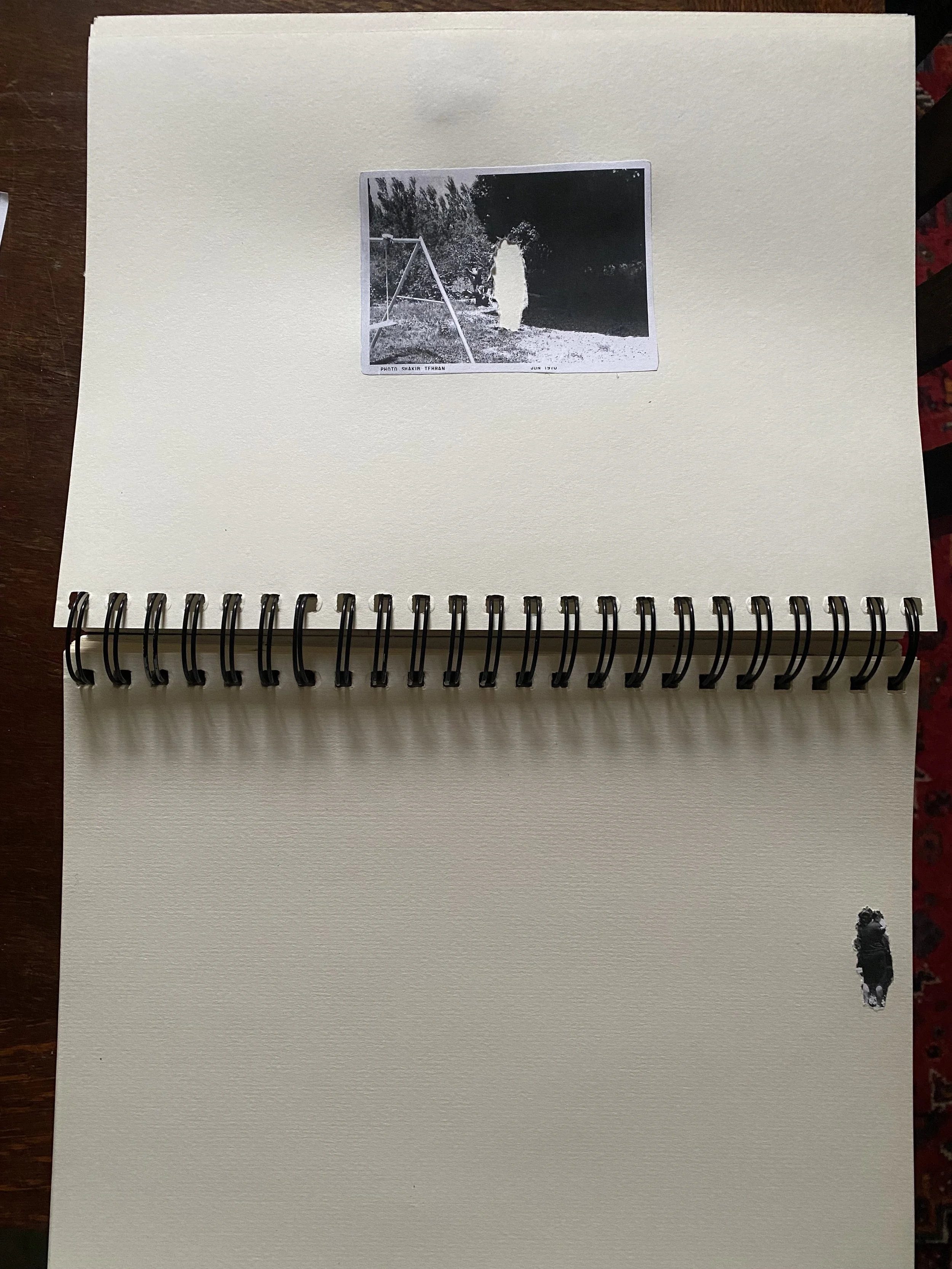
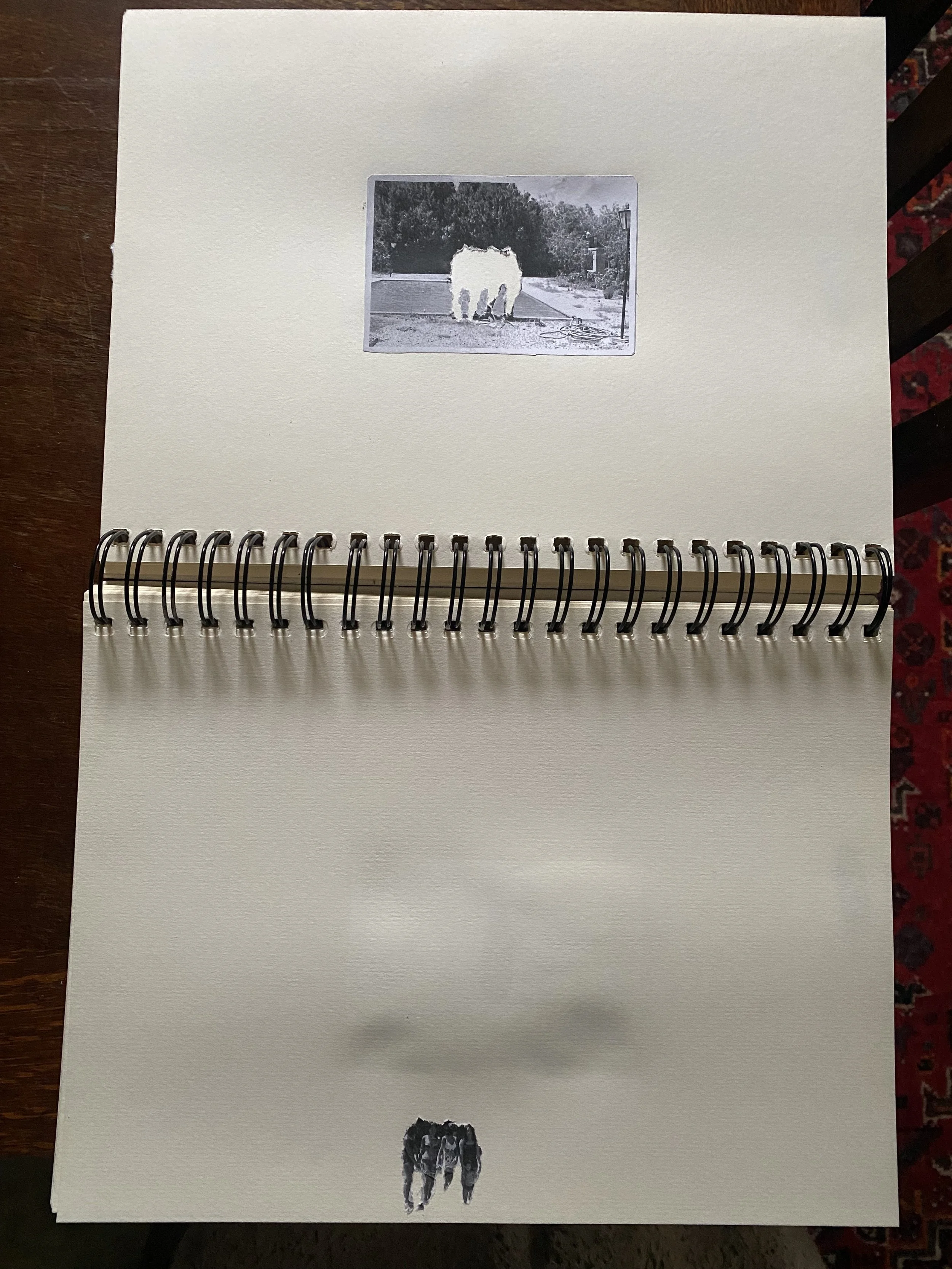
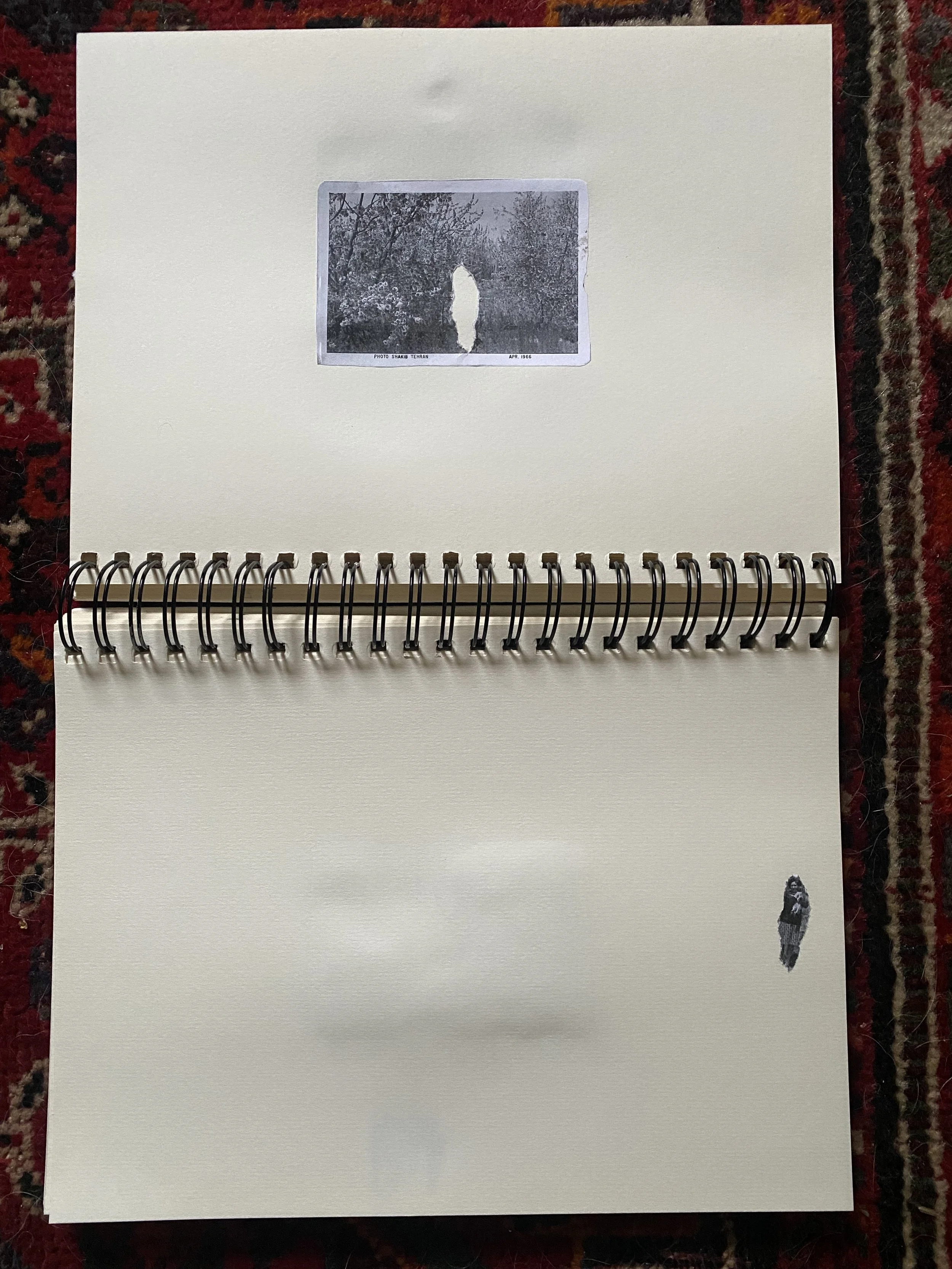
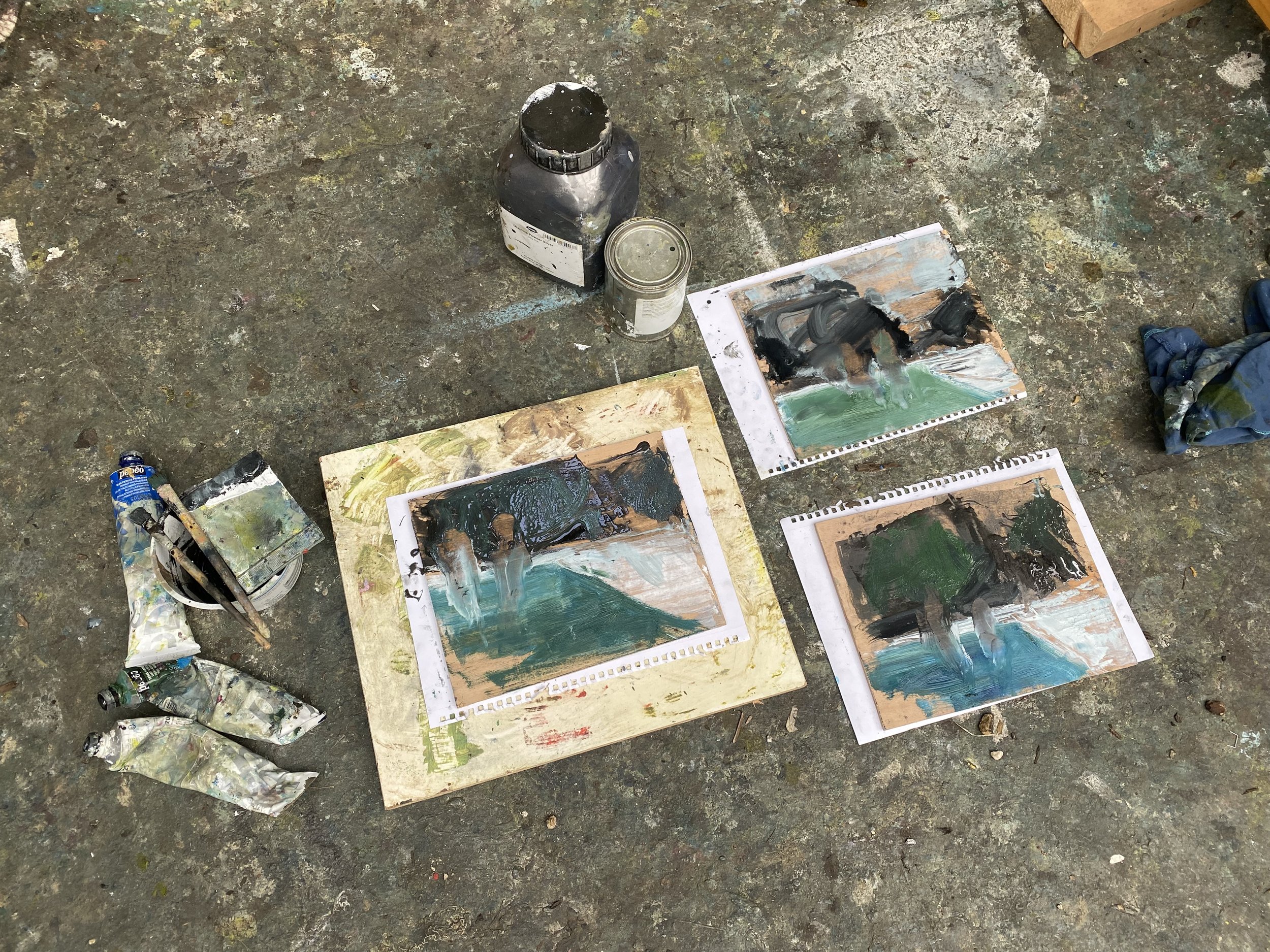
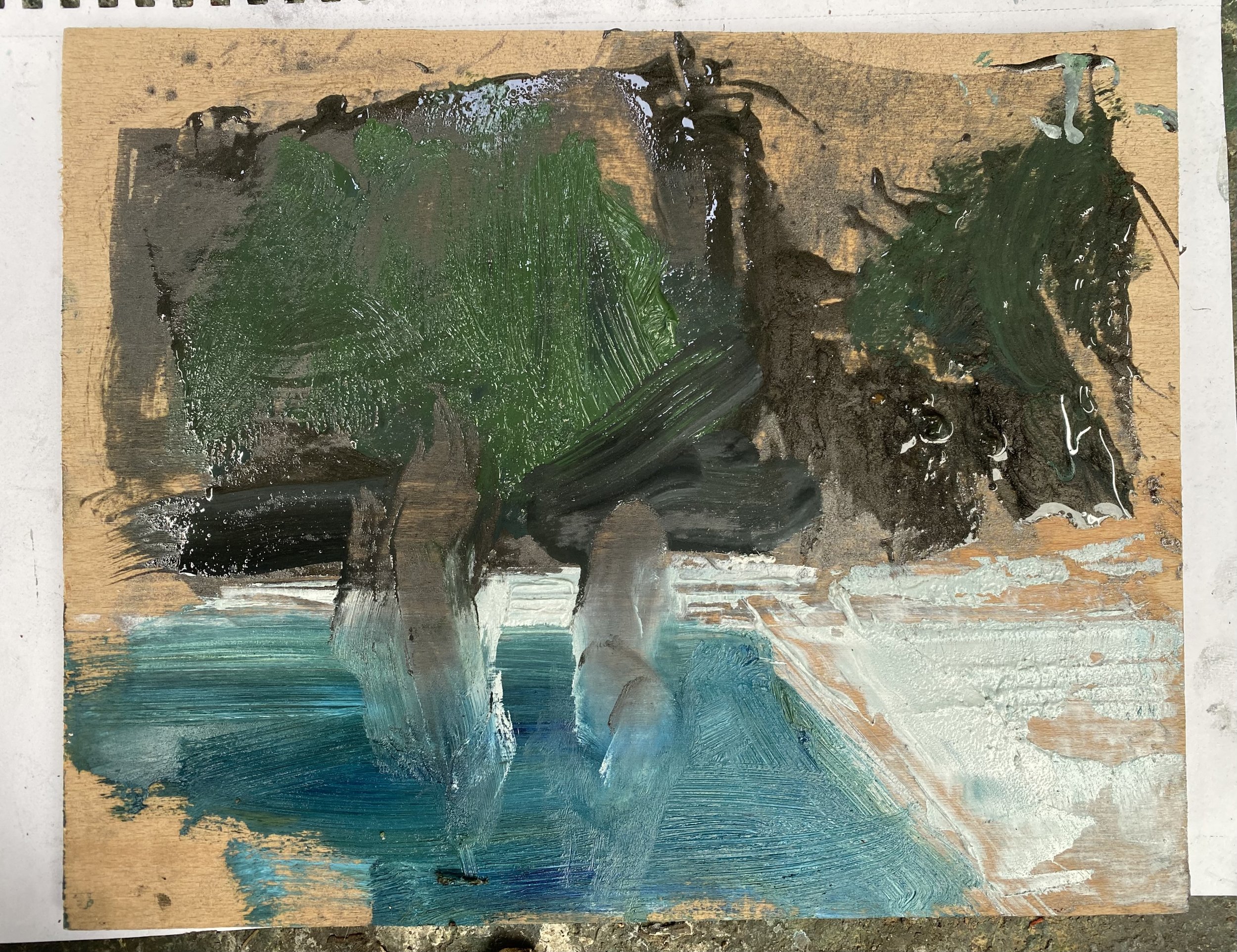
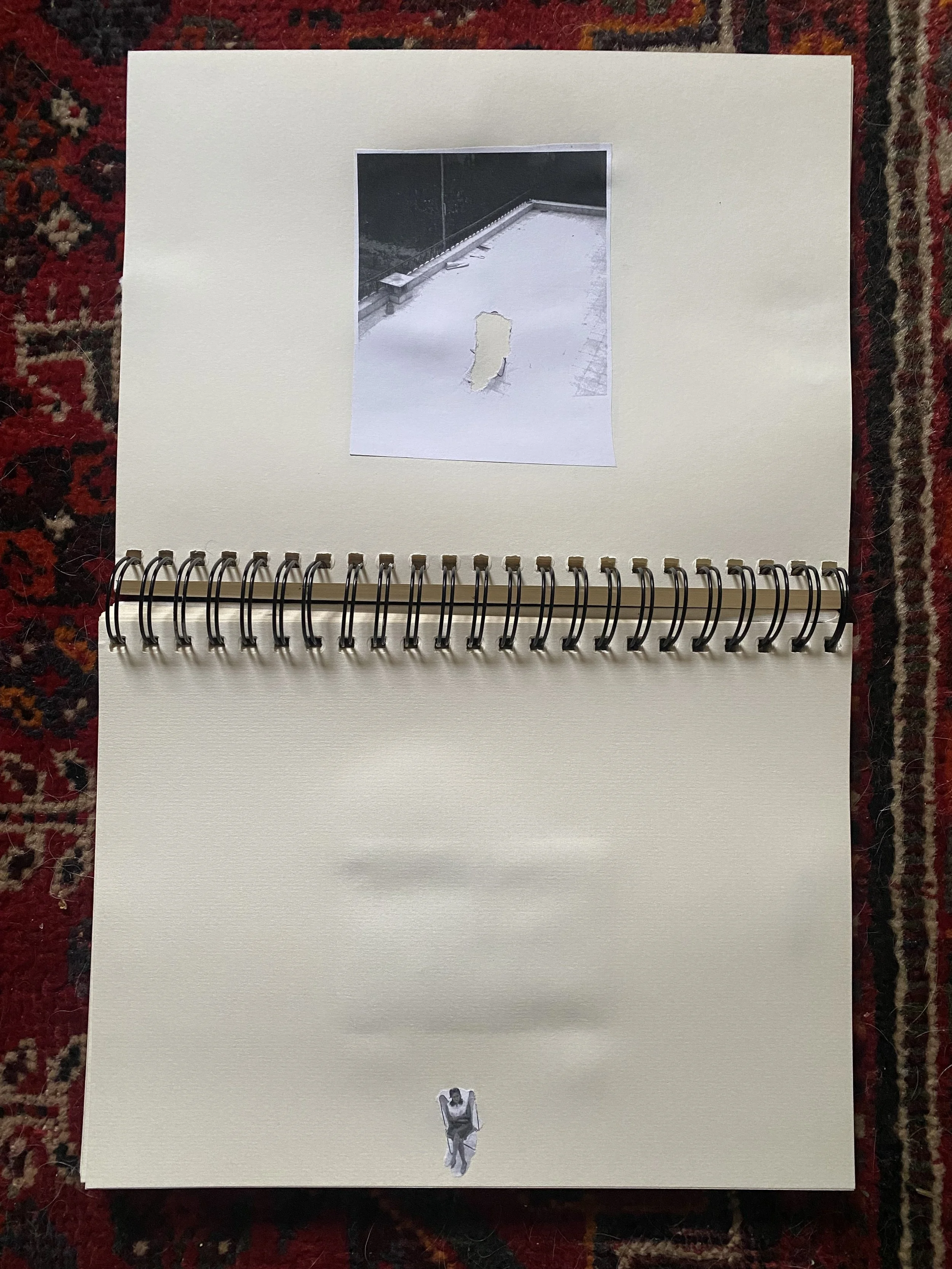
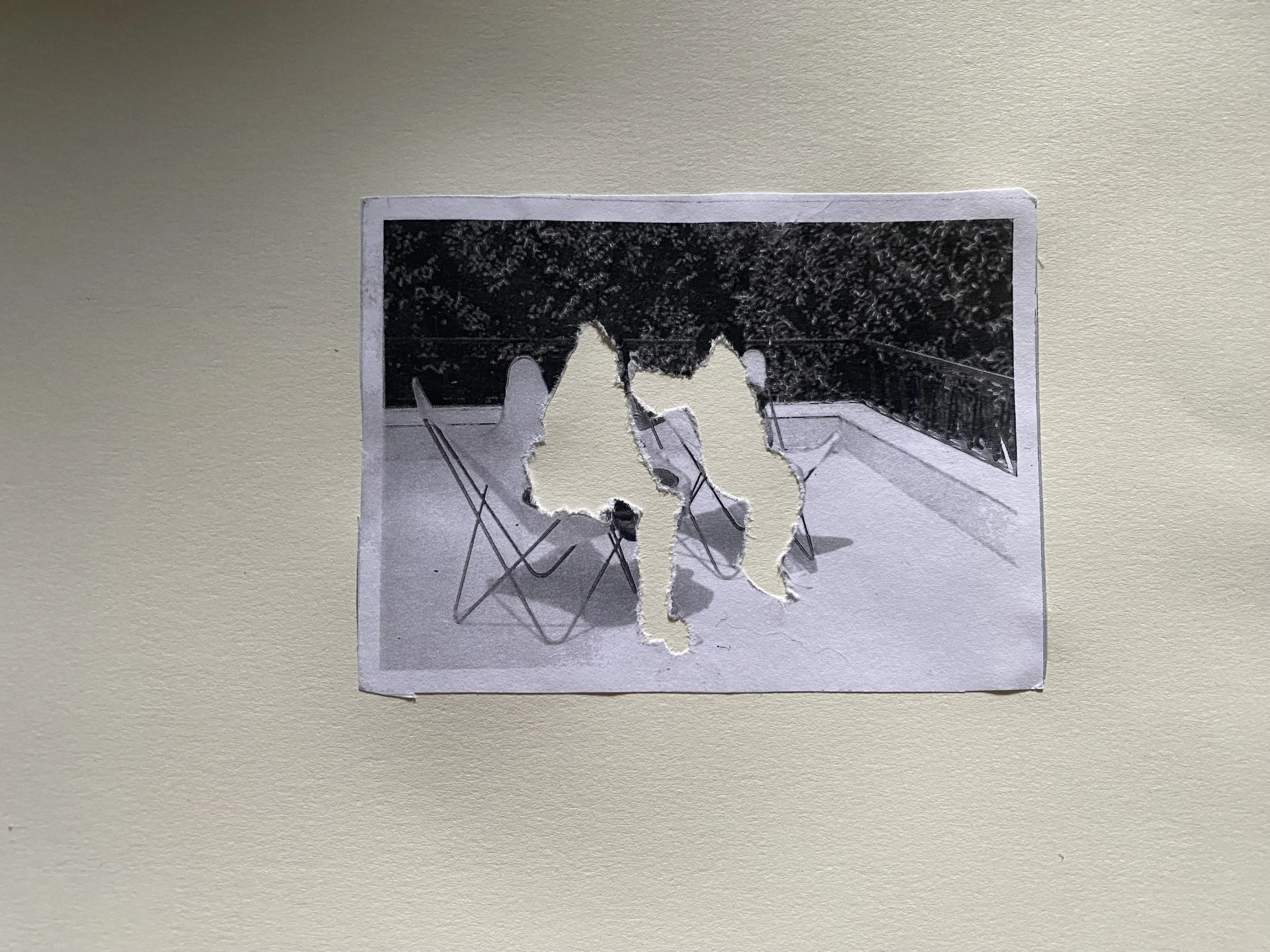
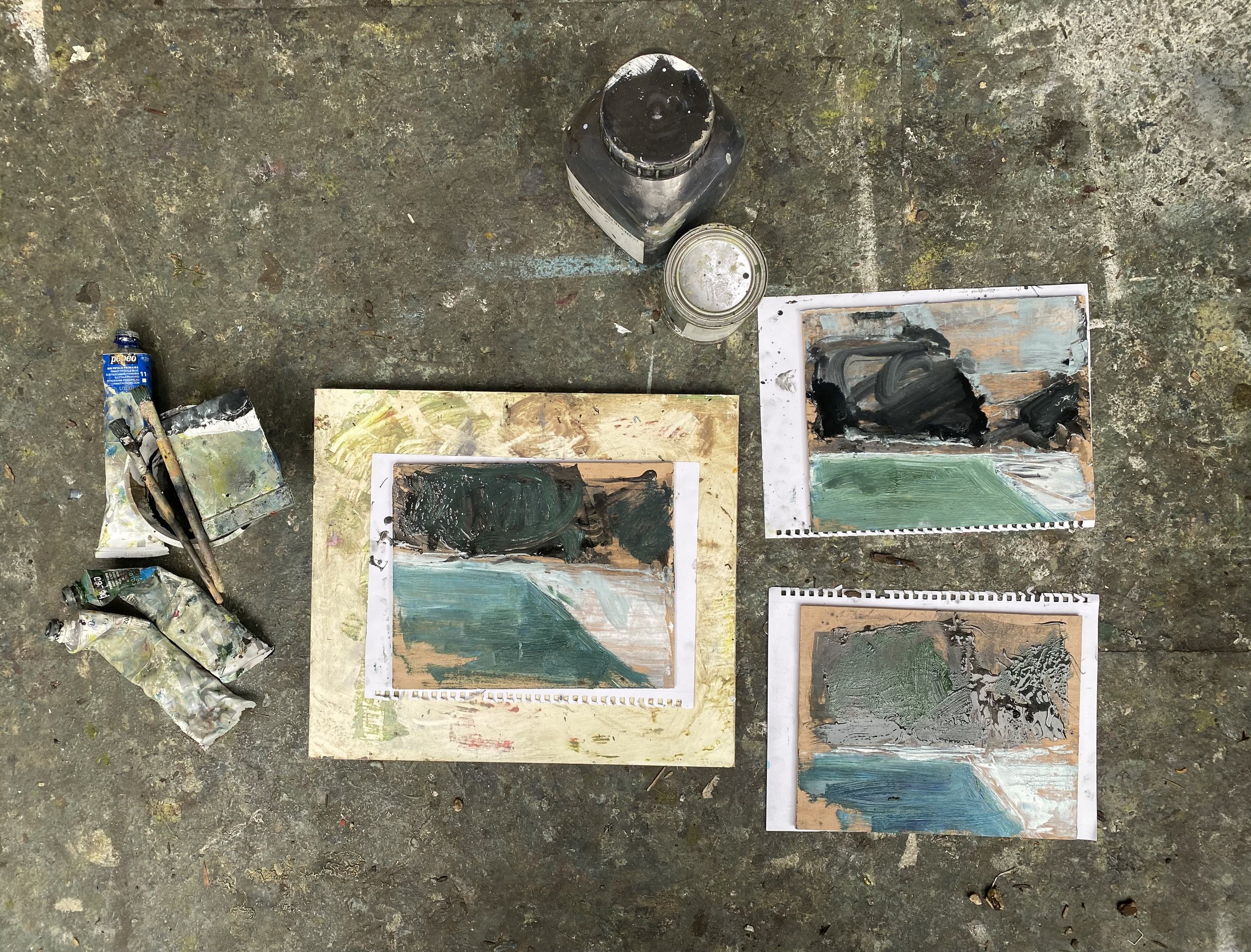
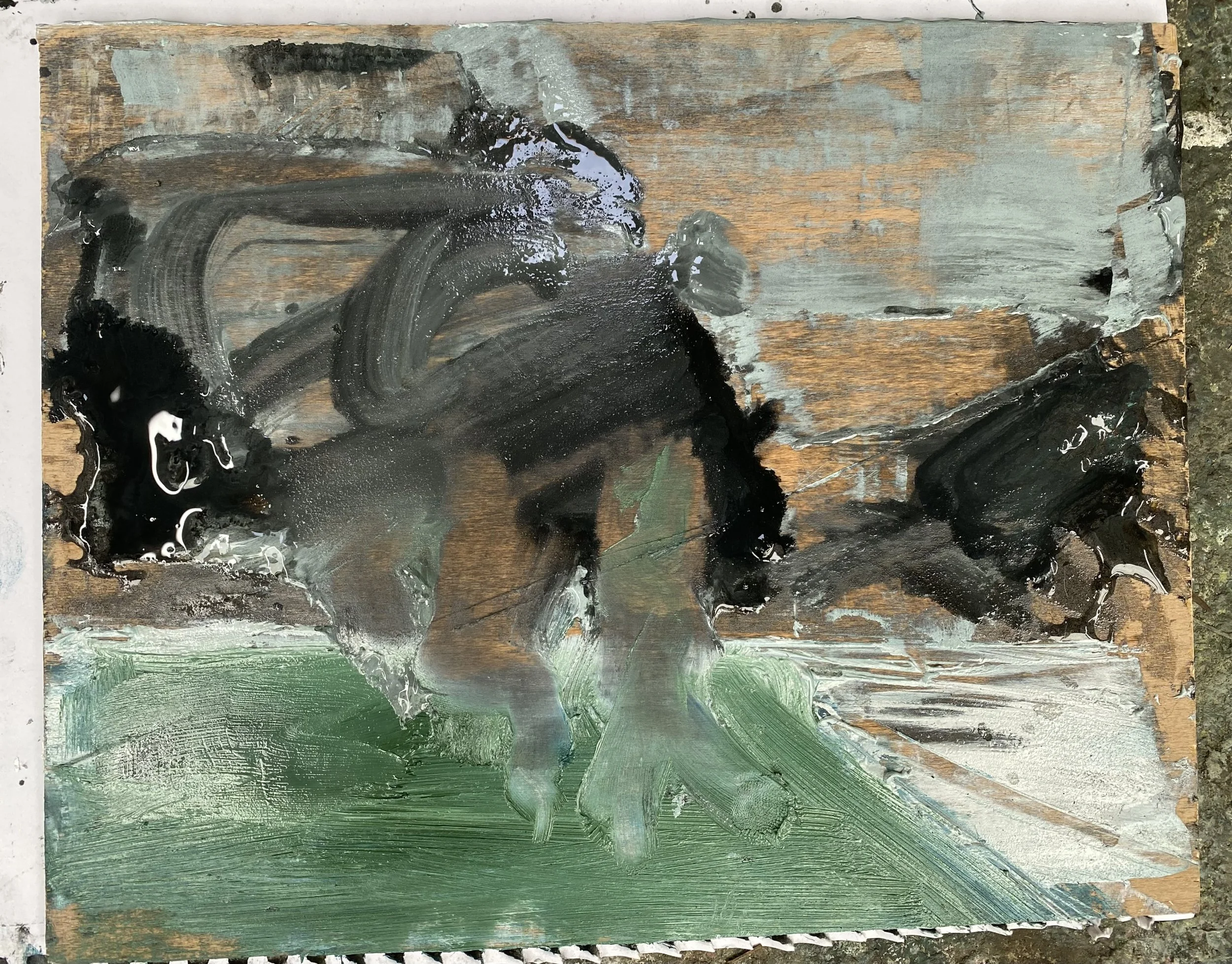
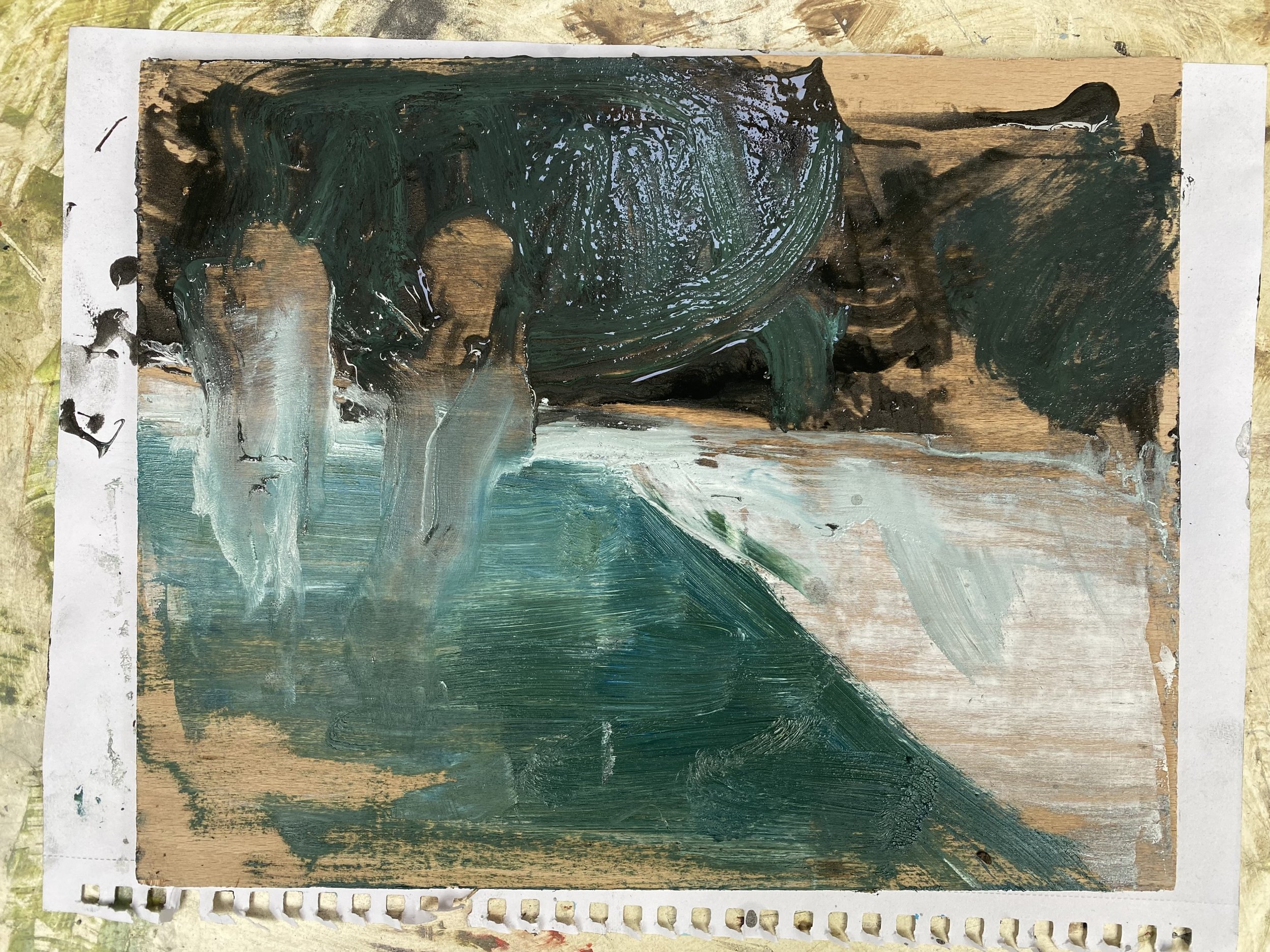
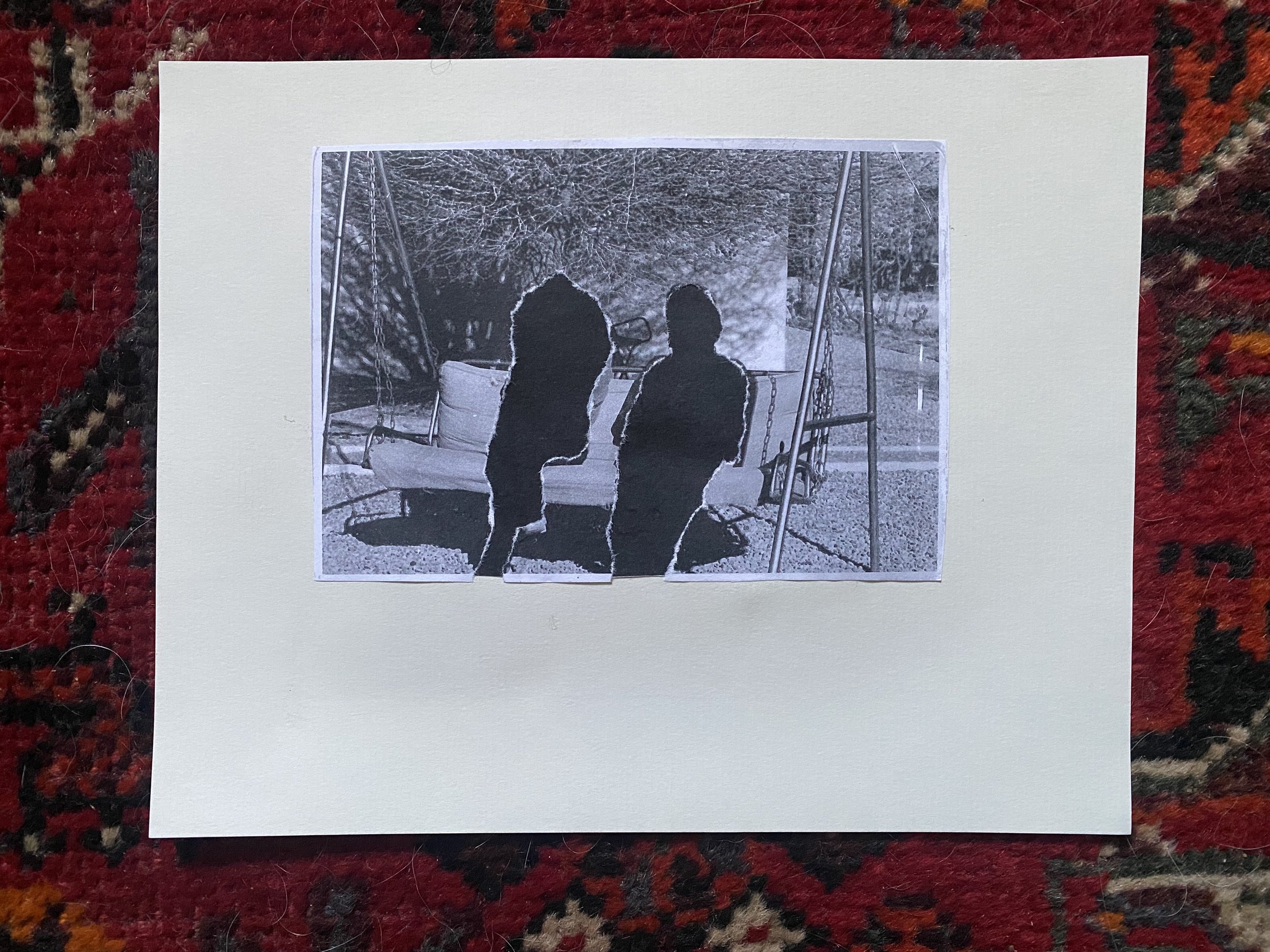
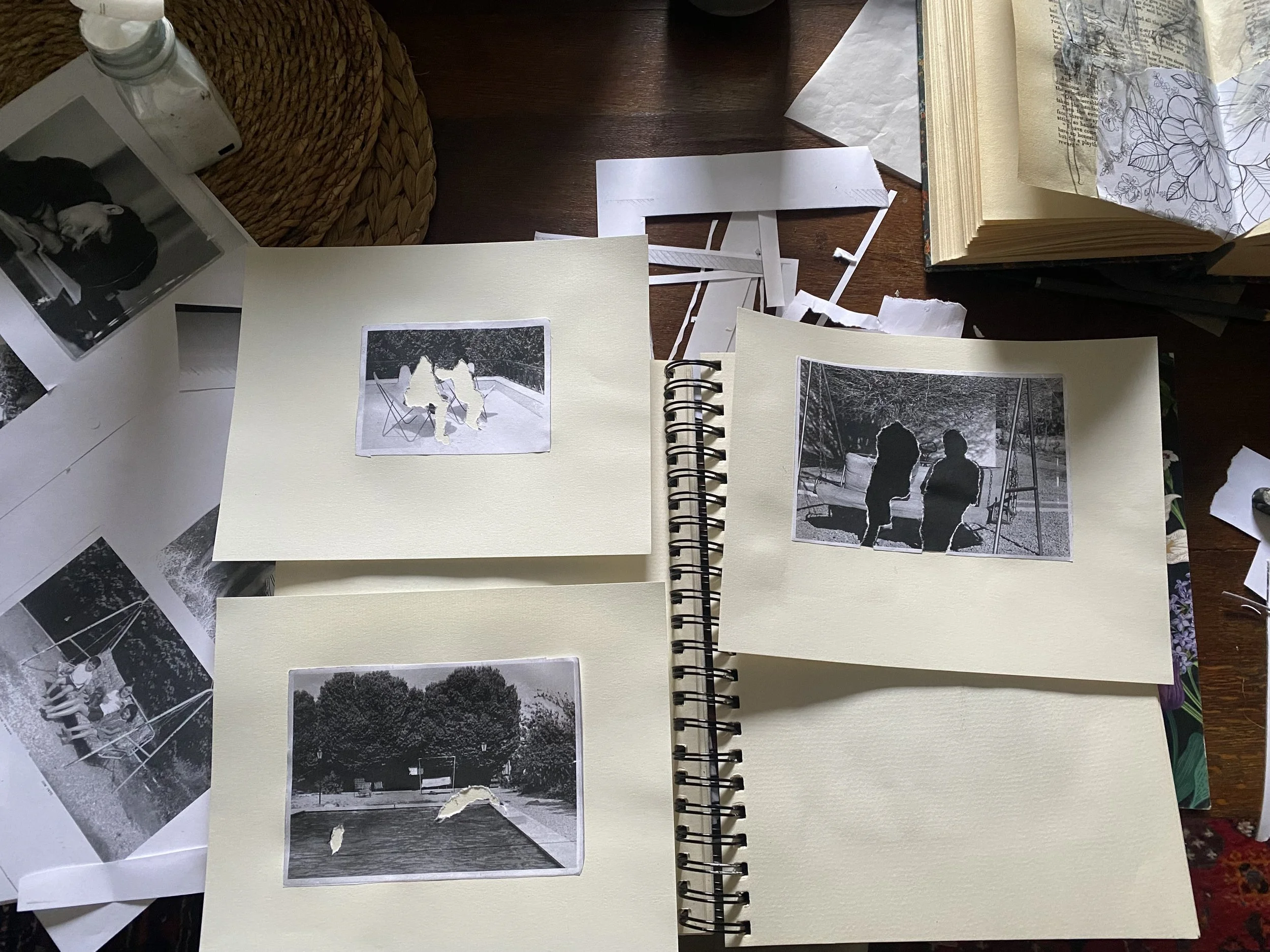
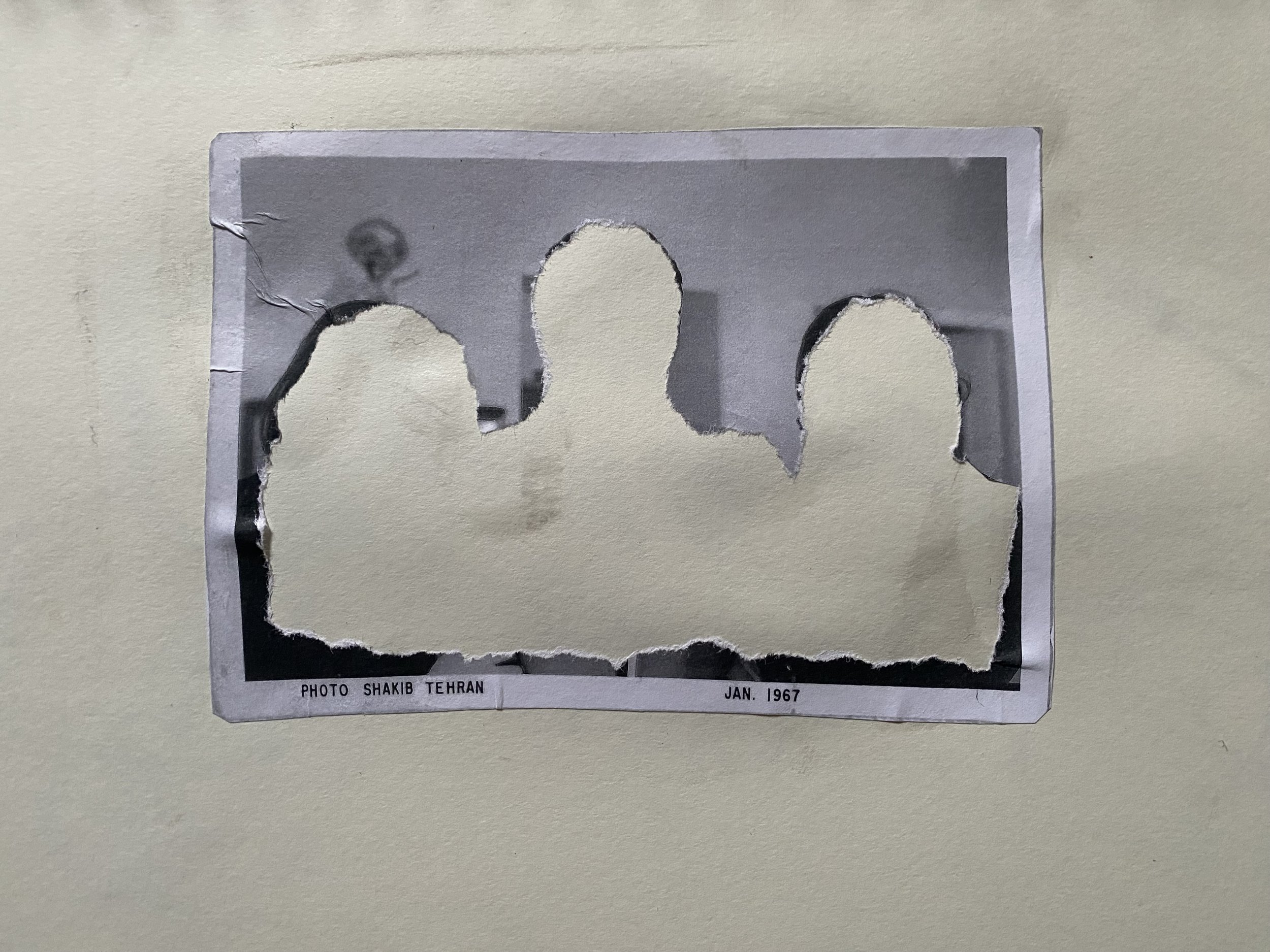
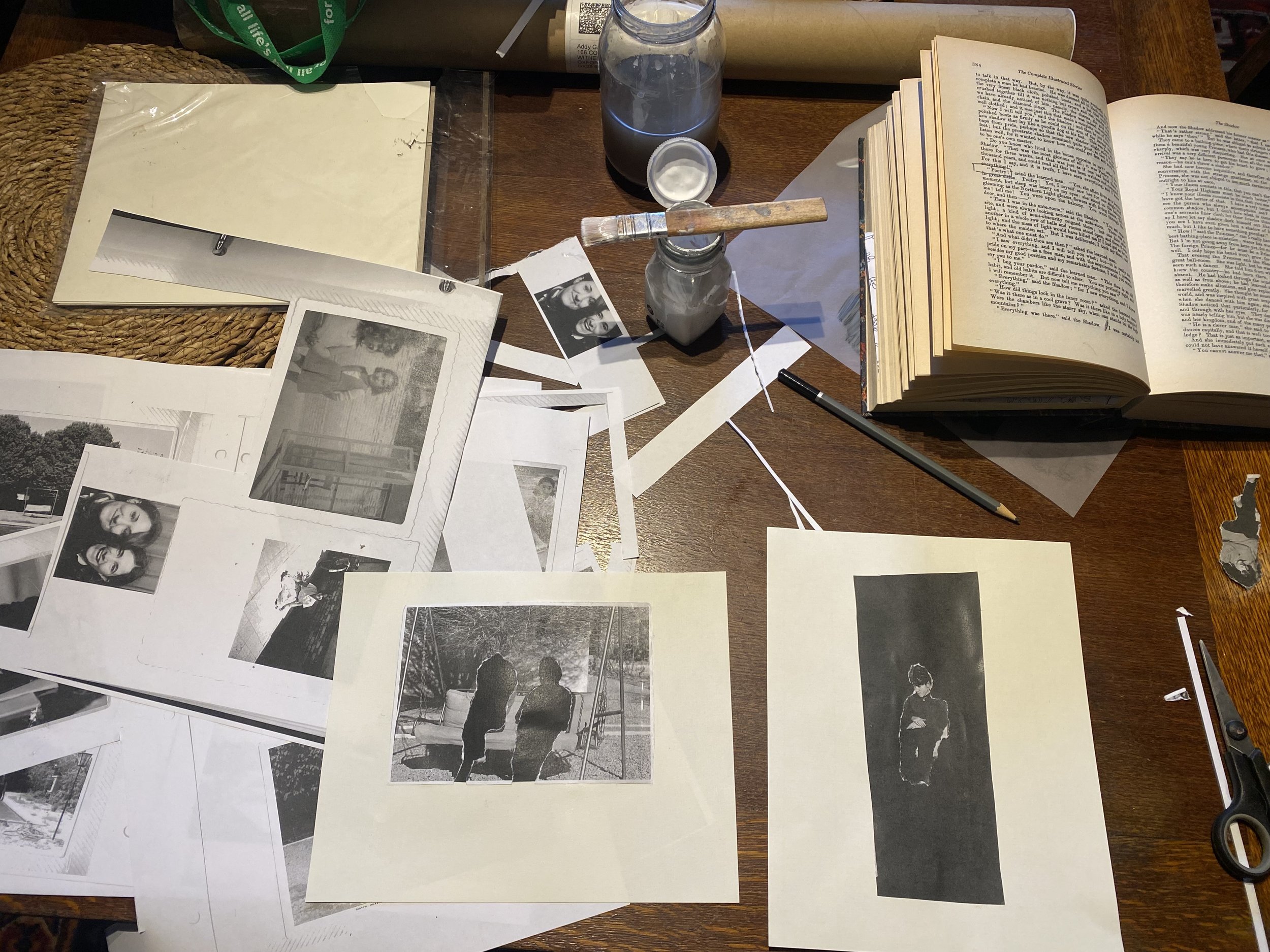
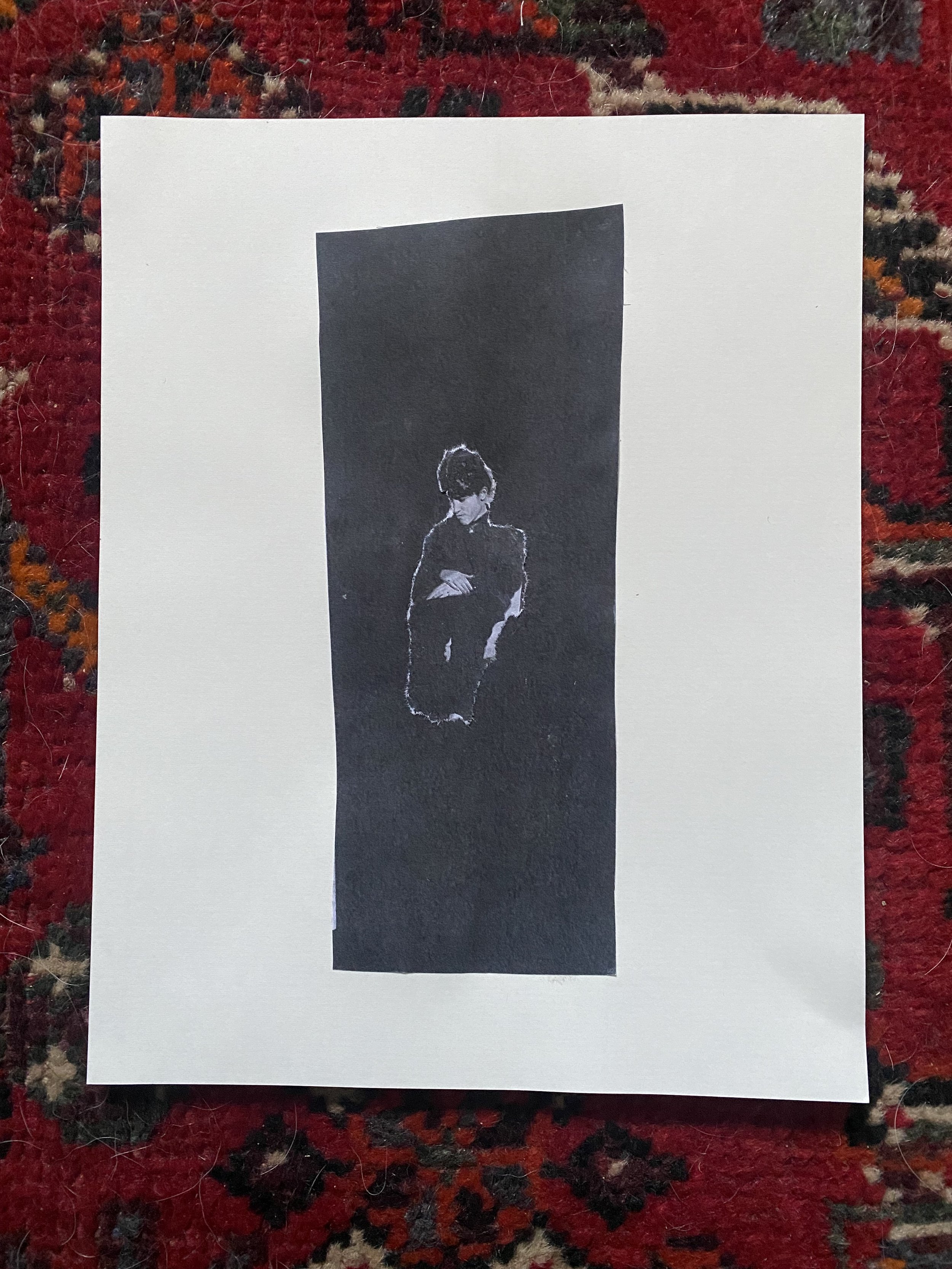
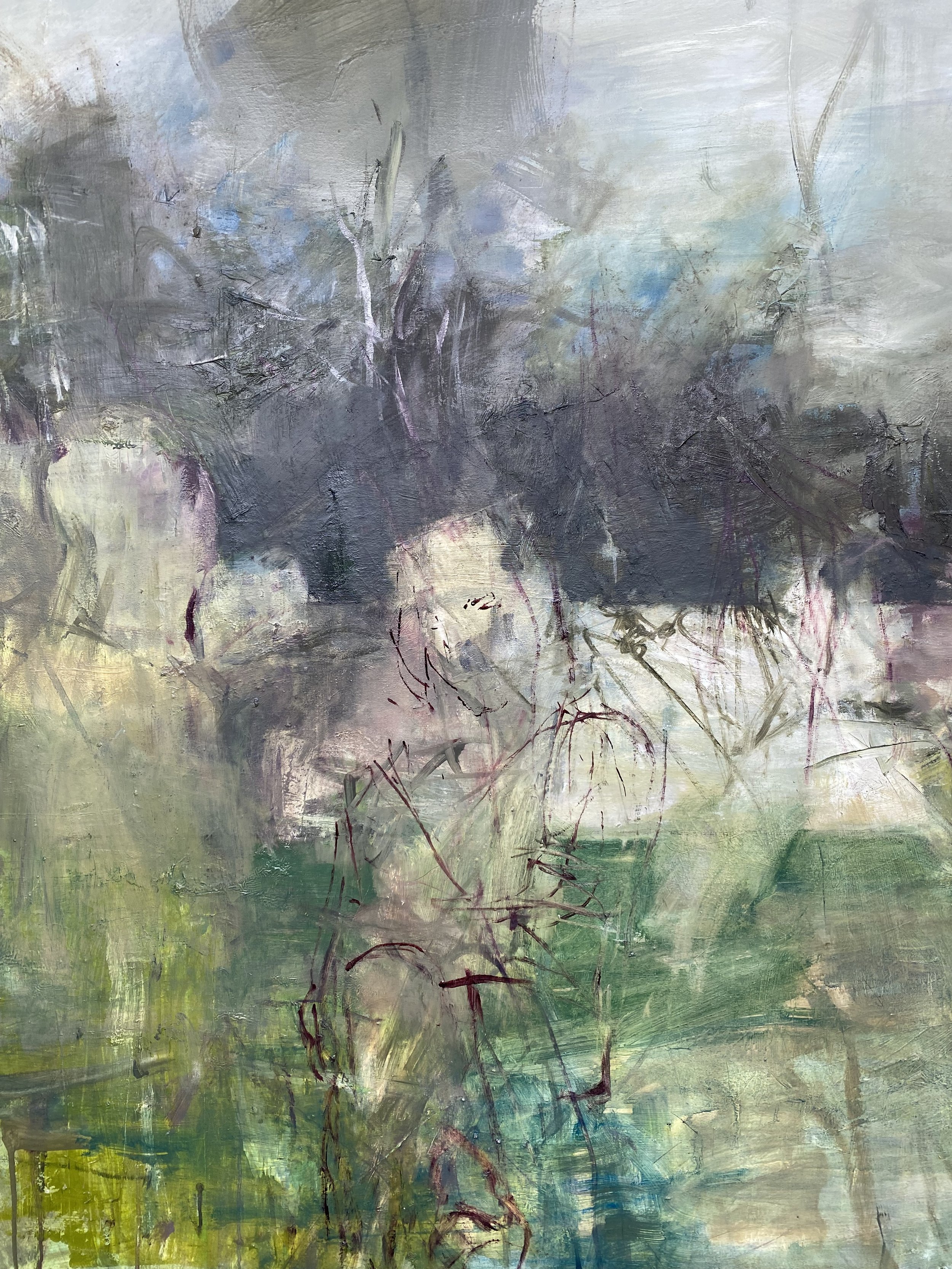
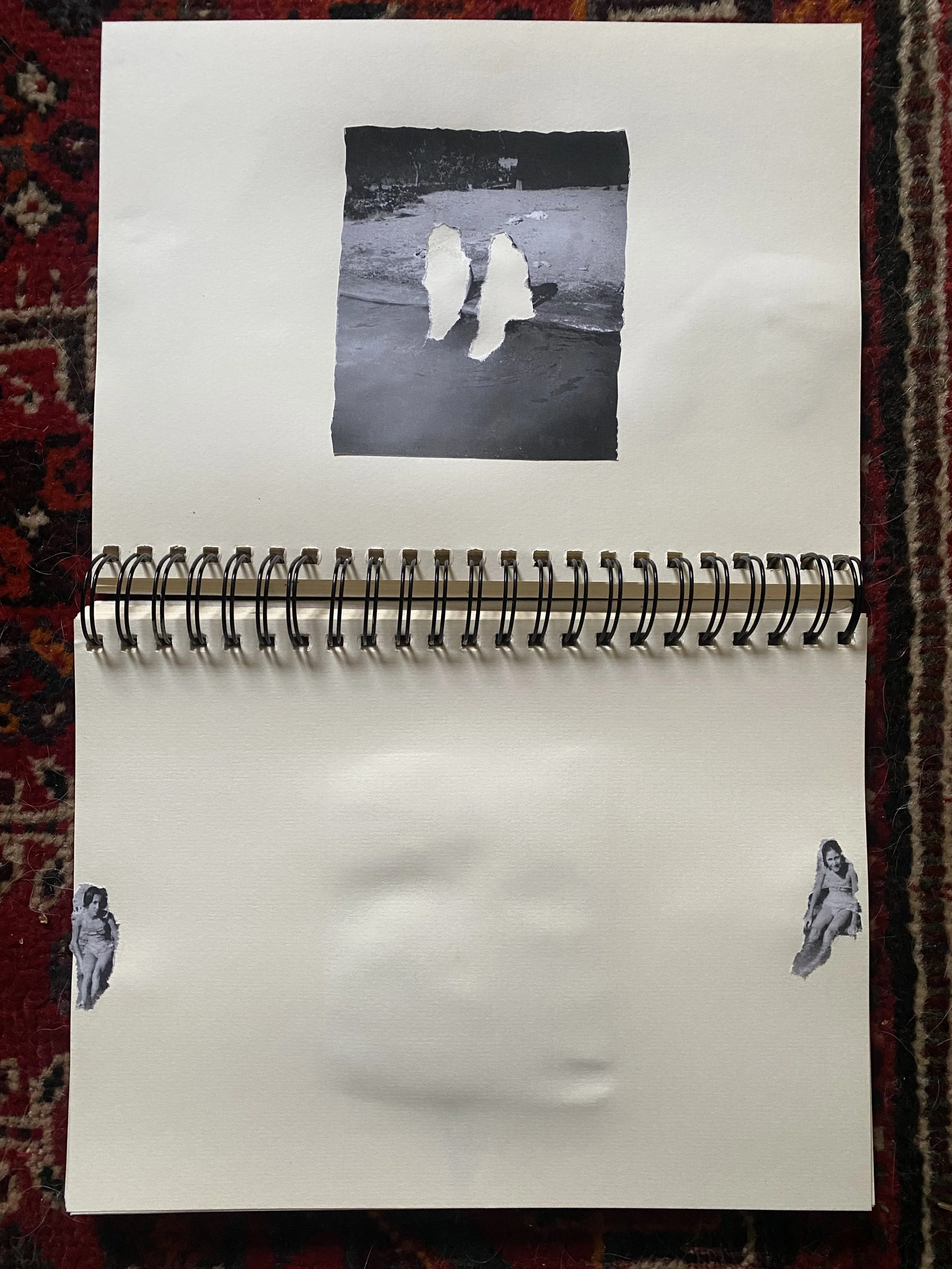
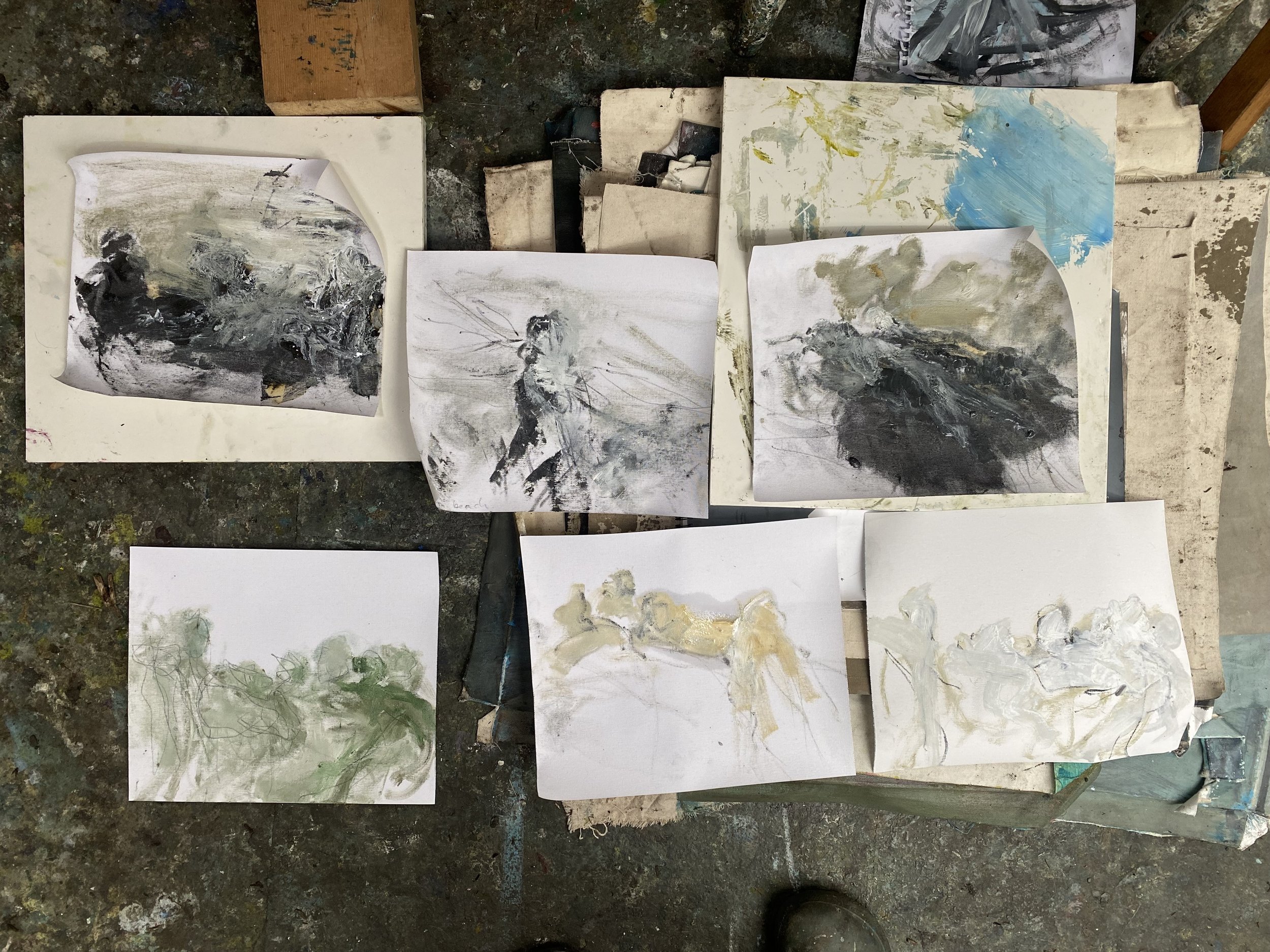
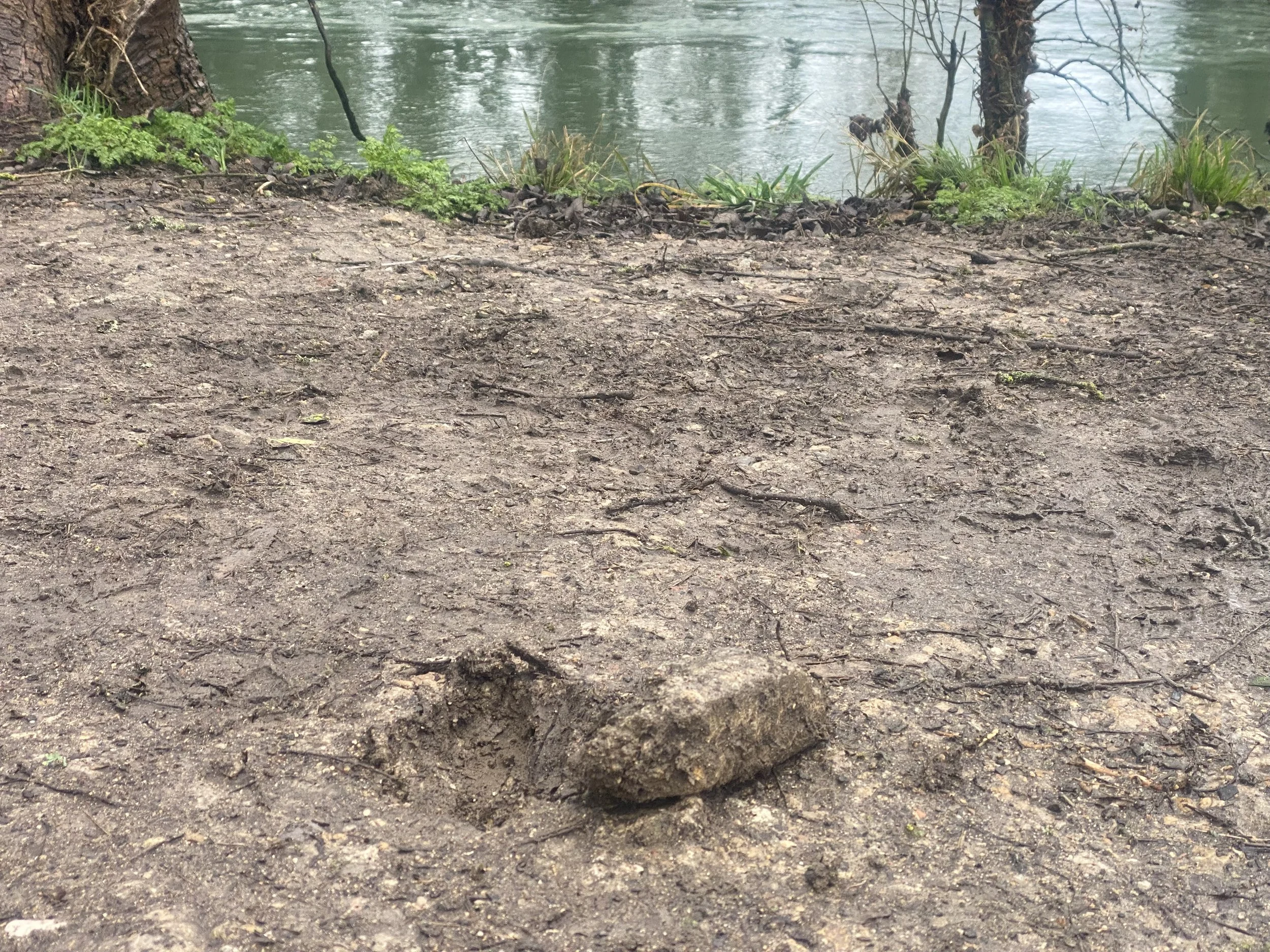
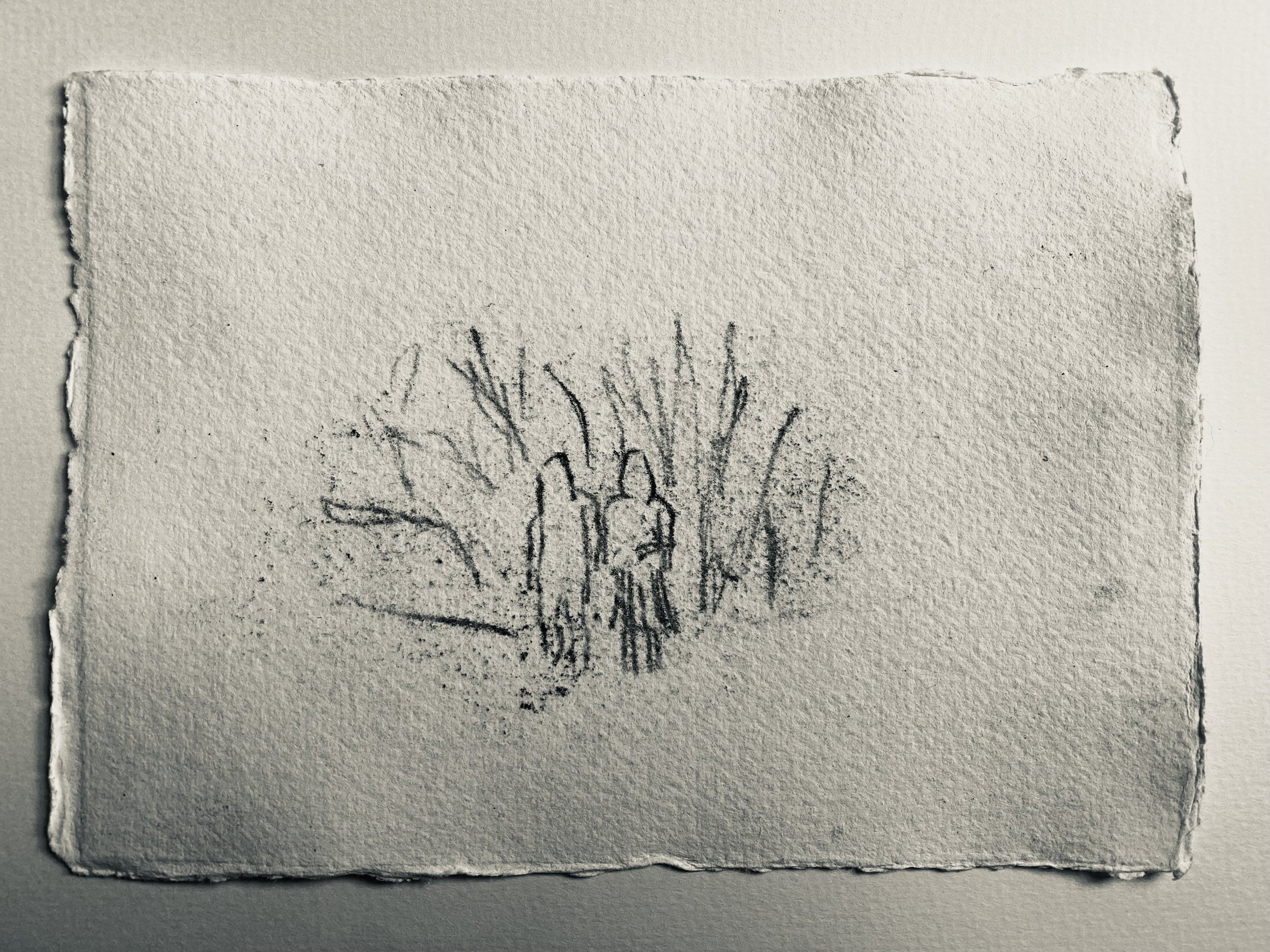
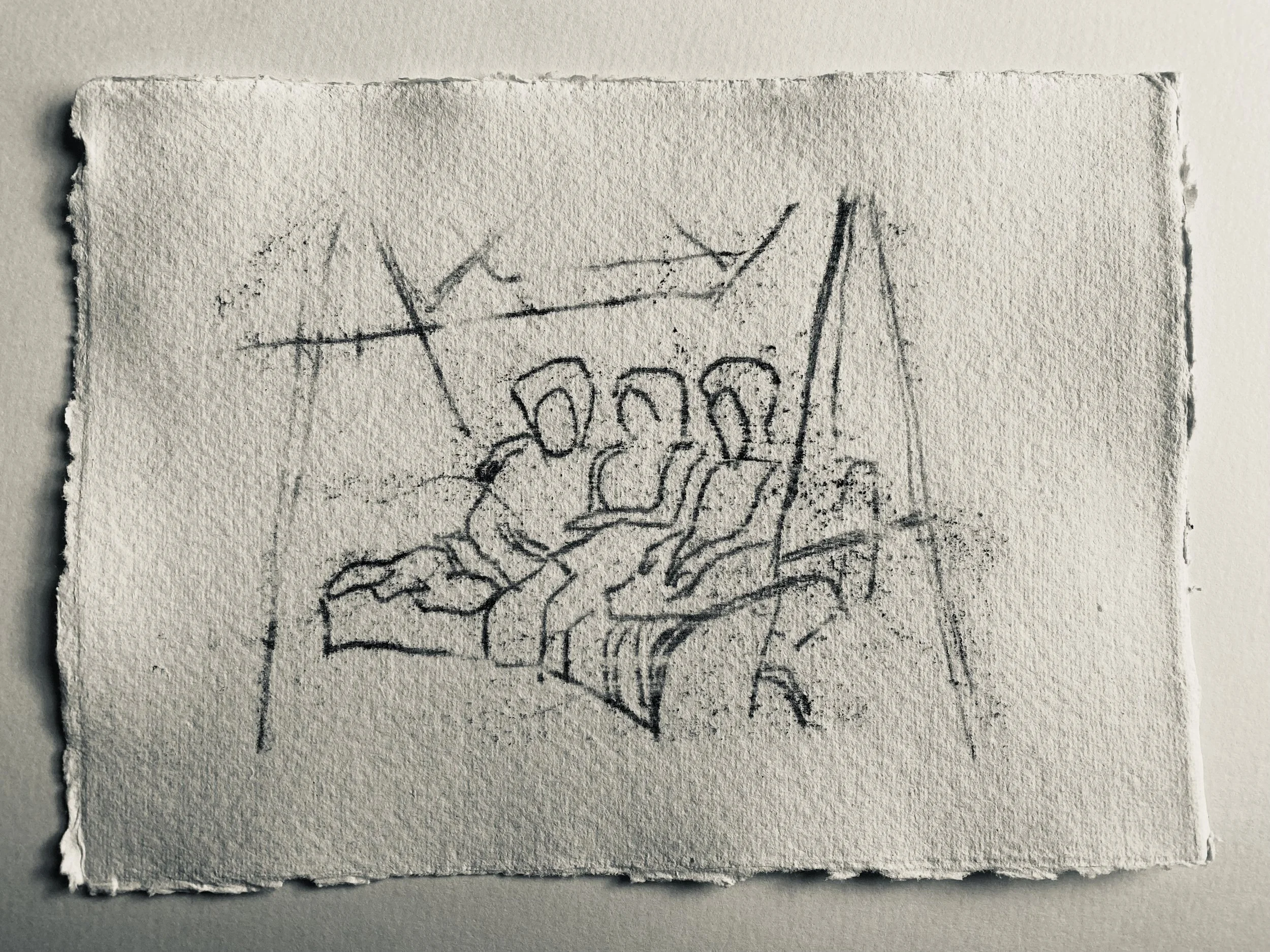
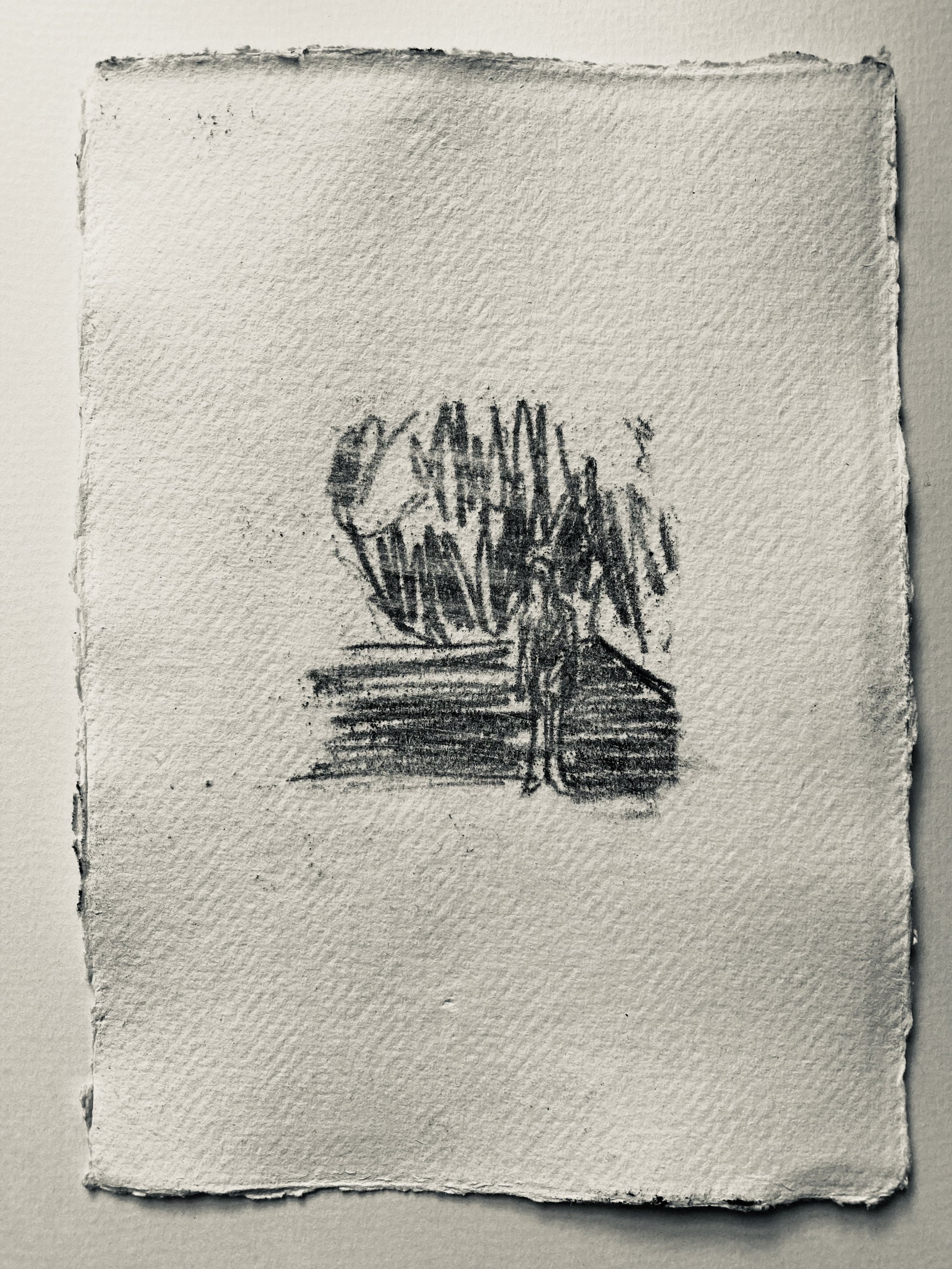
I’ve been doing a lot of thinking and drawing in the past few weeks. Thinking mainly about the importance of certain places and what those places mean for us as people. However I’ve mainly been thinking about my family and what certain places mean to us.
This work has taken two paths- both emanating from a little Cornish beach cove we visited before Christmas. The second path is to do with the movement of people in place. The collecting together and then moving apart. It’s to do with patterns and lines of people and place.
How we move around and relate to one another is our specialty as humans. I want to somehow bring that feeling of movement and human presence into my work. I’d like this to be not in a jarring way but a way that melds people with landscape but to research being together, and then separate. This ties in to the research and images in part 1 which was about separateness and longing. I then wanted to think about family and the family group. The dynamics of movement between people which is similar in my mind to the dynamics in my landscape paintings. I want to somehow make us as a family, part of the landscape- emphasising that we are not separate but part of the land- place- country.
I’ve been looking and drawing from photos of my family in Cornwall and looking at Titians and Ruben’s bubbling groups of people and the drawing from those. I particularly also love the way Auerbach put people in outdoor spaces- like they were a part of the landscape.
Part 2
Together, family, people
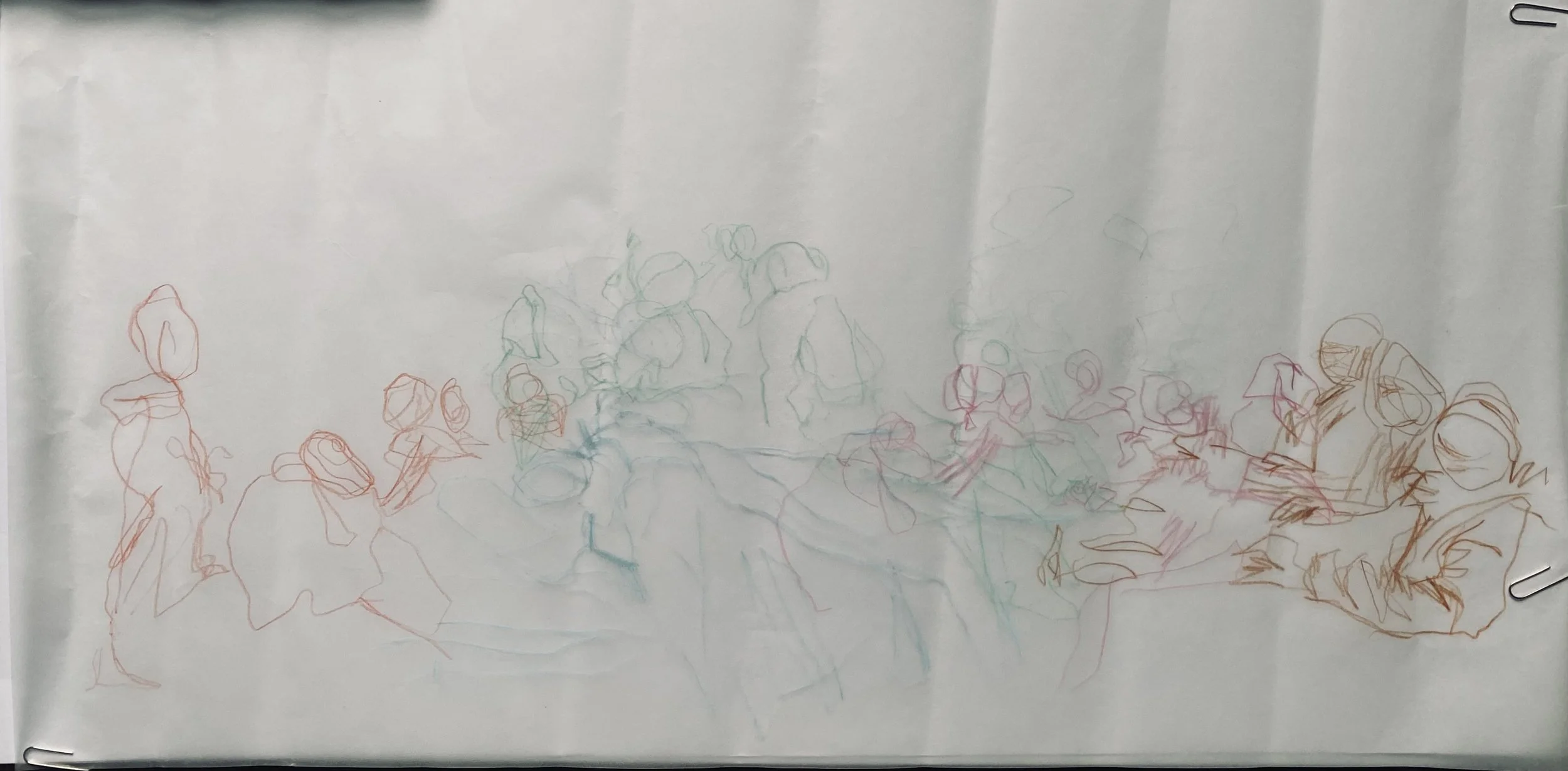
Tracing of family in different groupings. Each shown in a different colour.
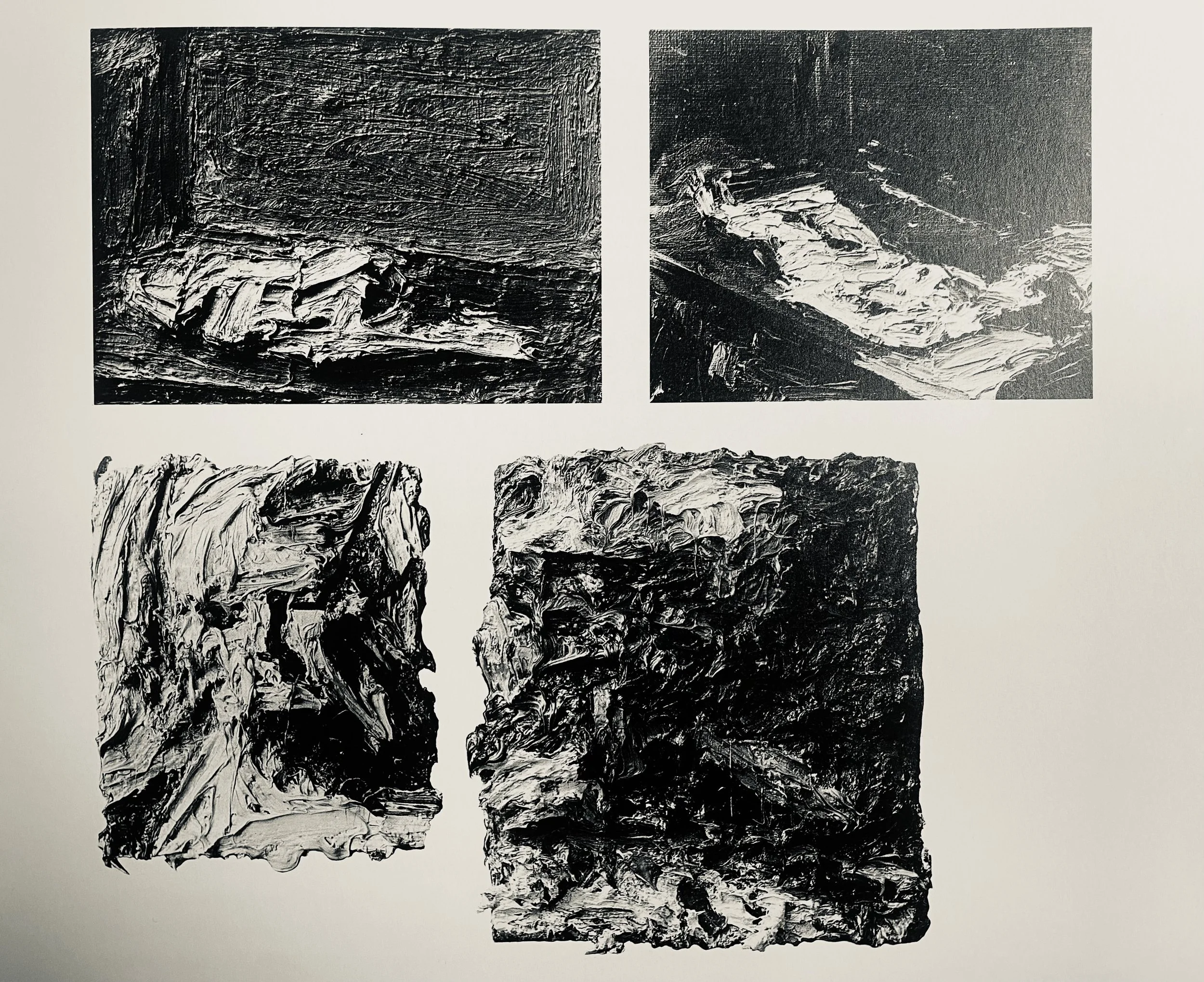
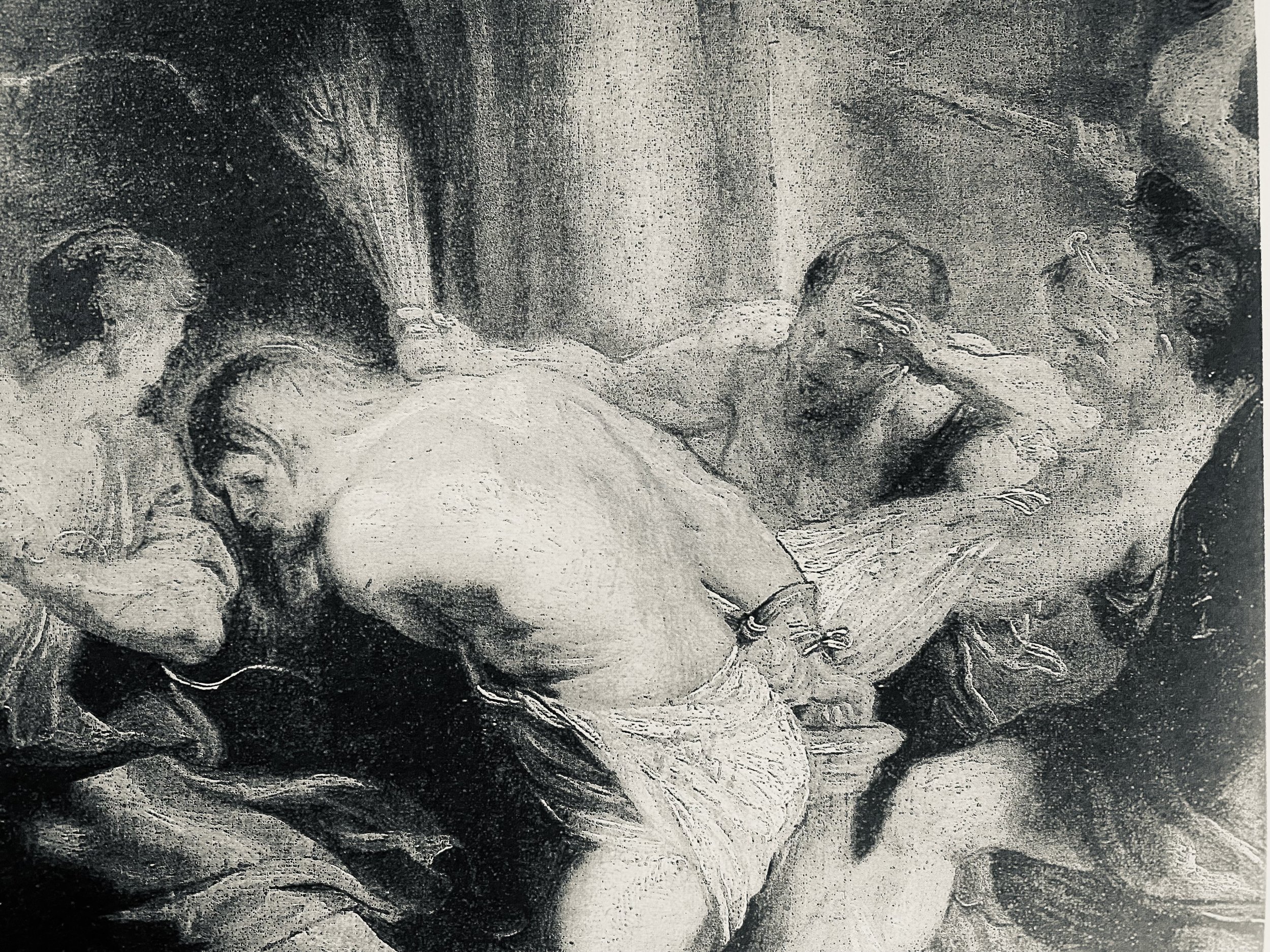
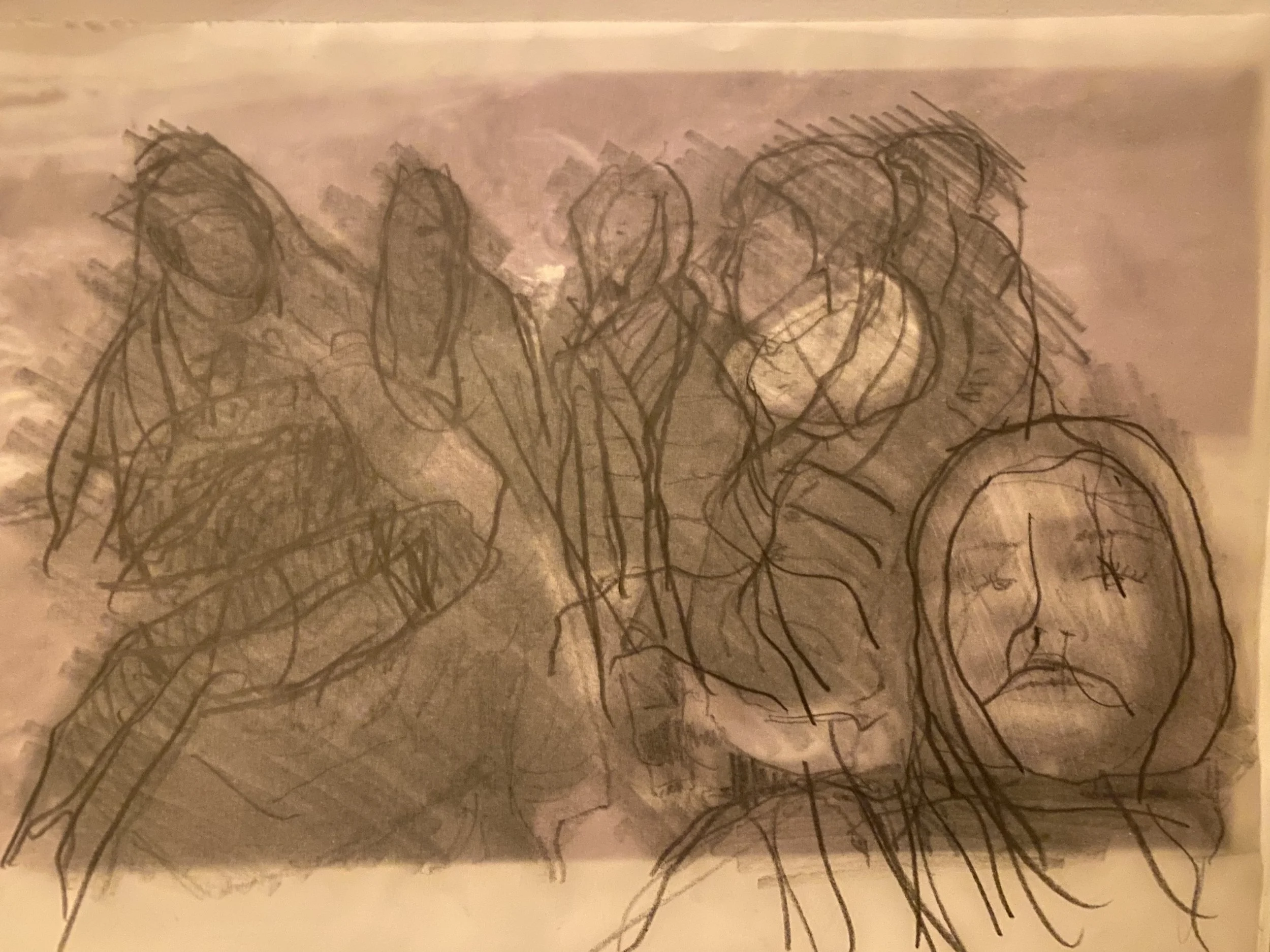
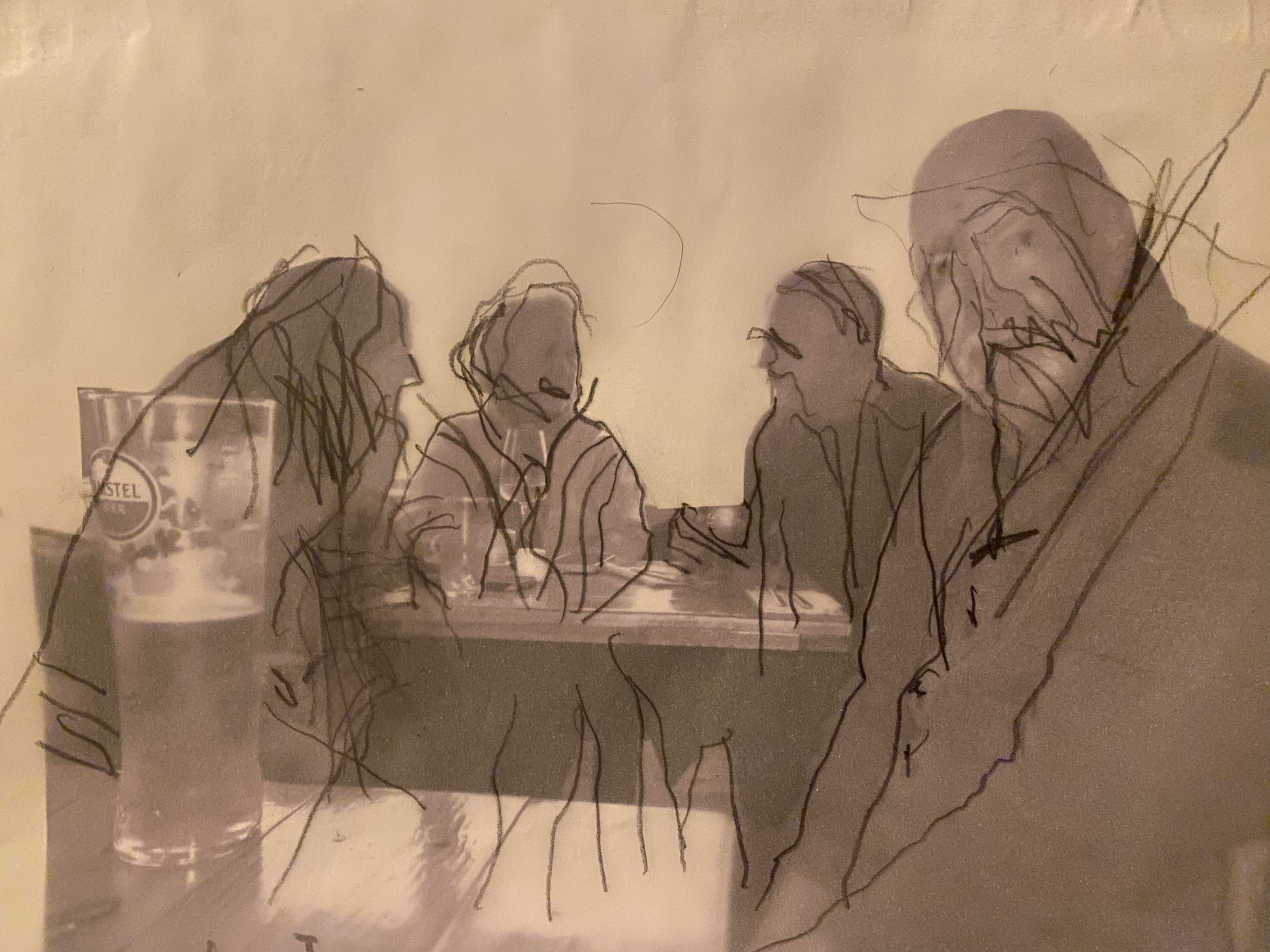
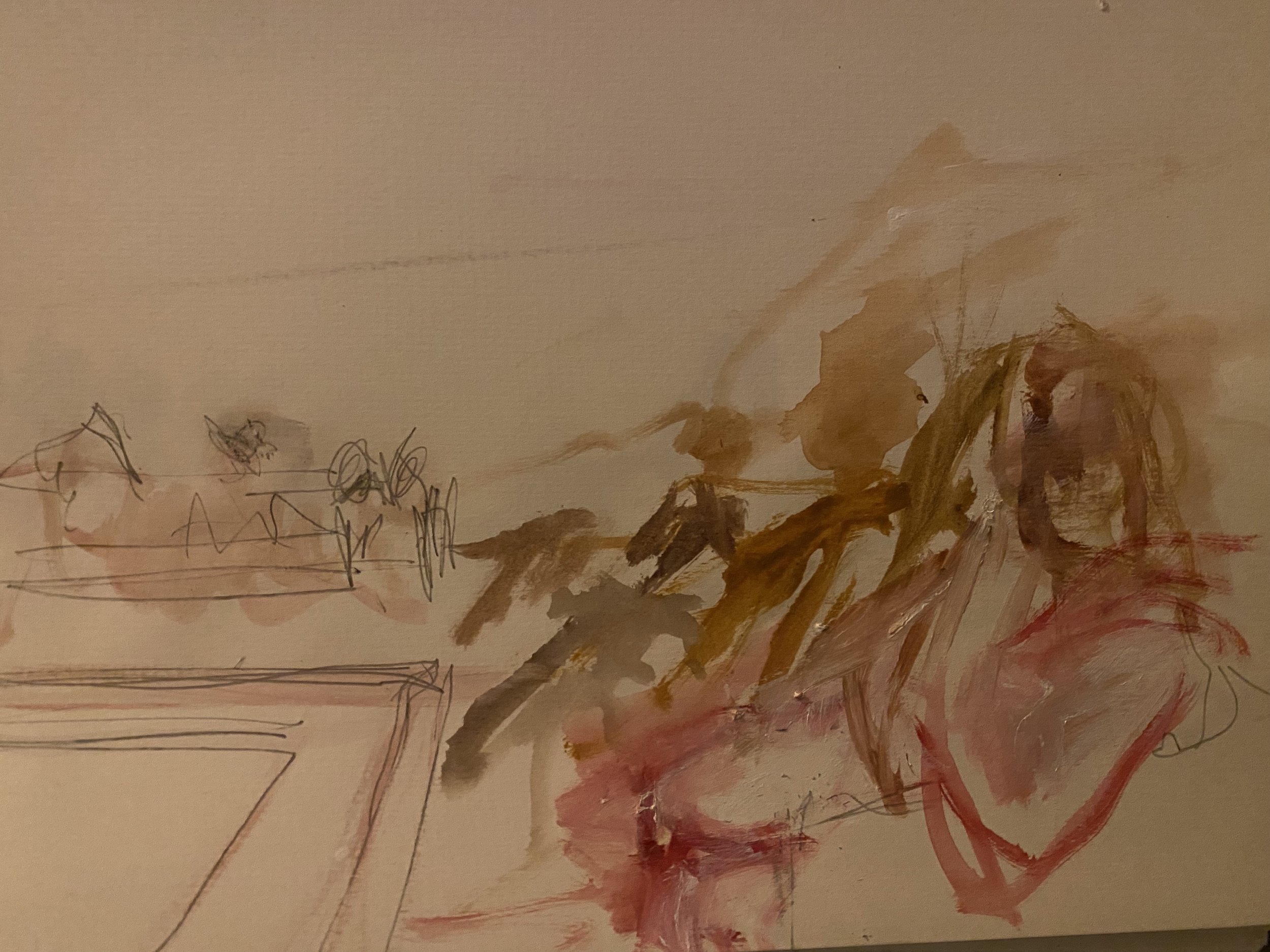
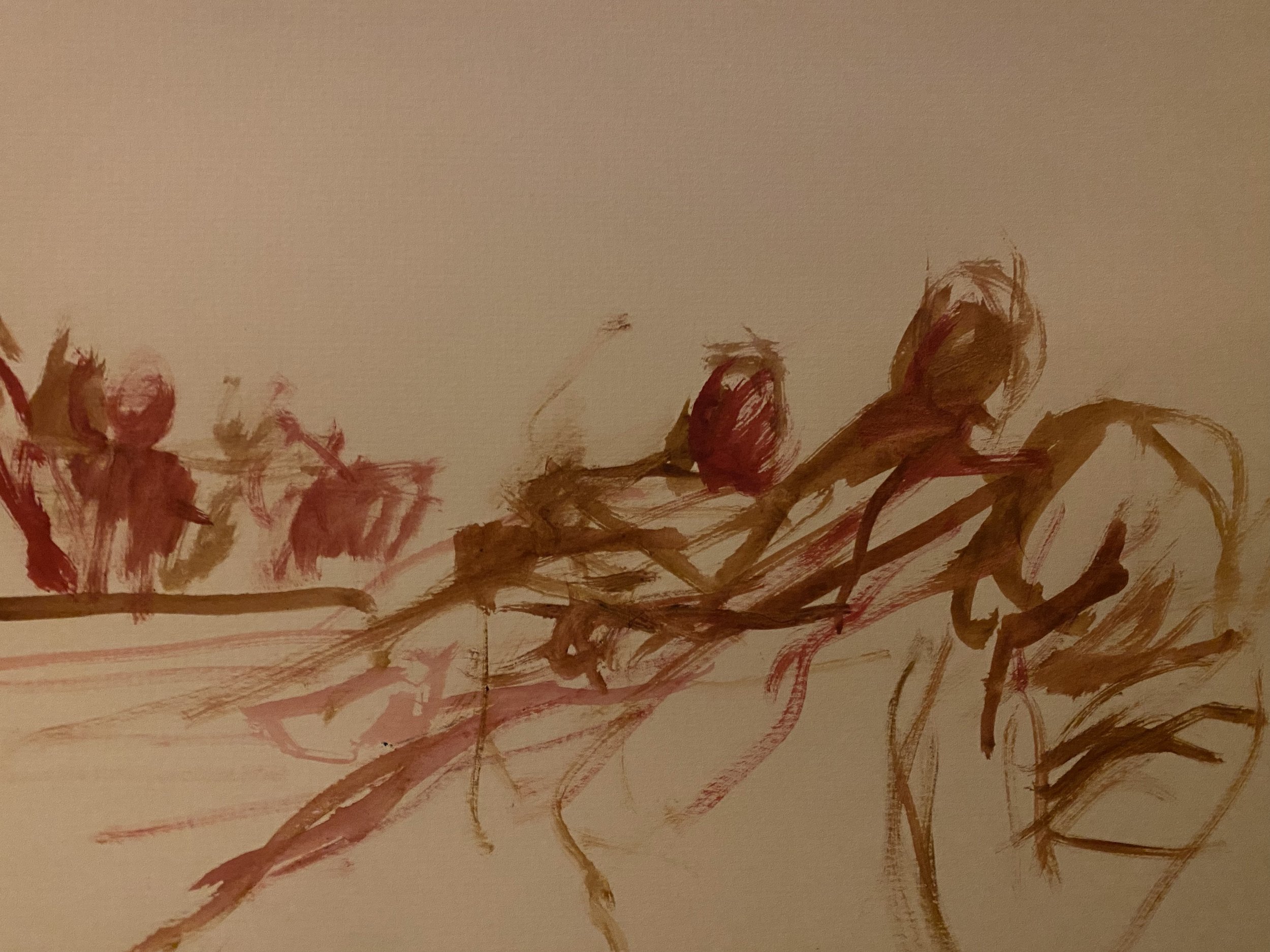
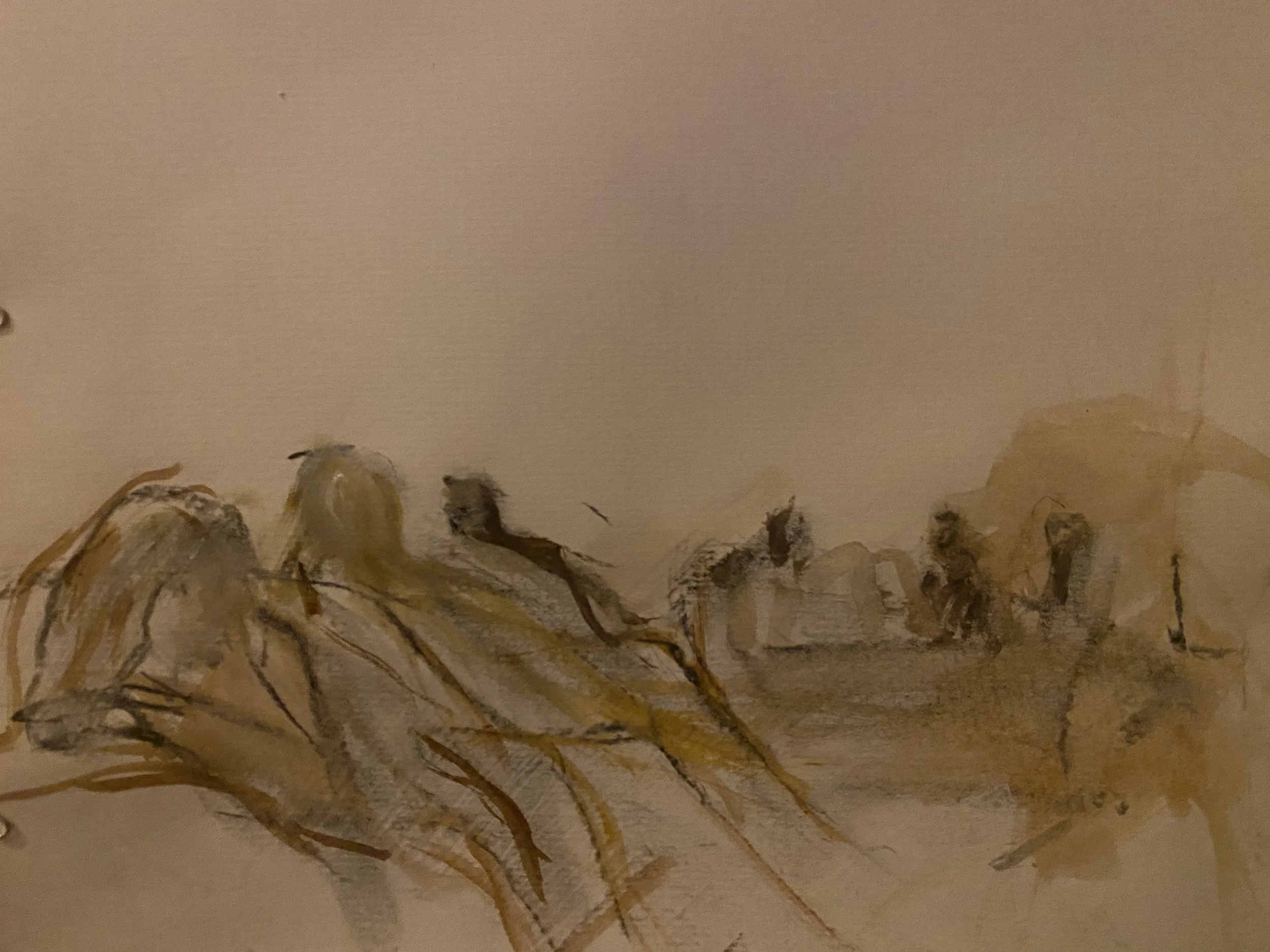
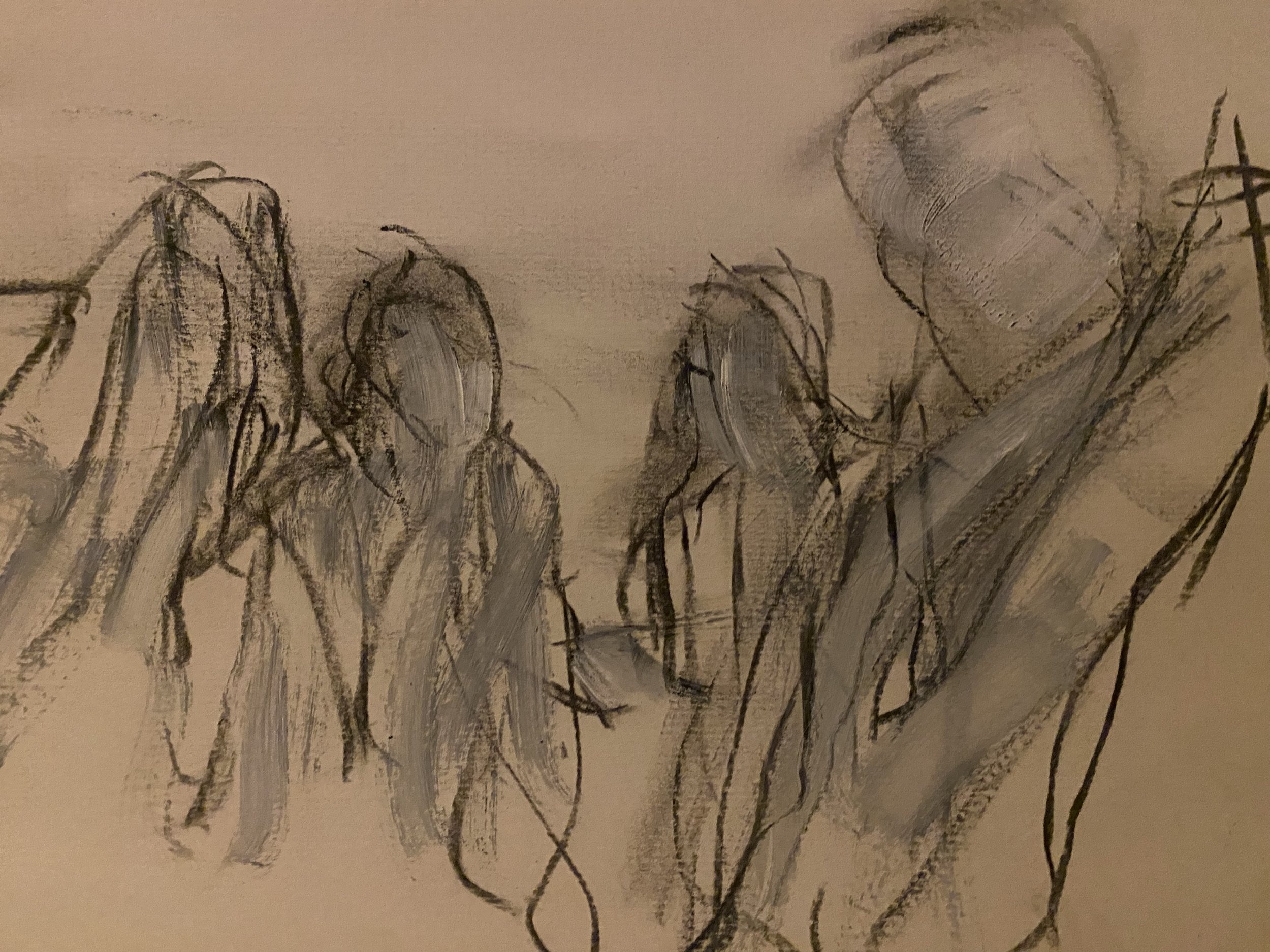
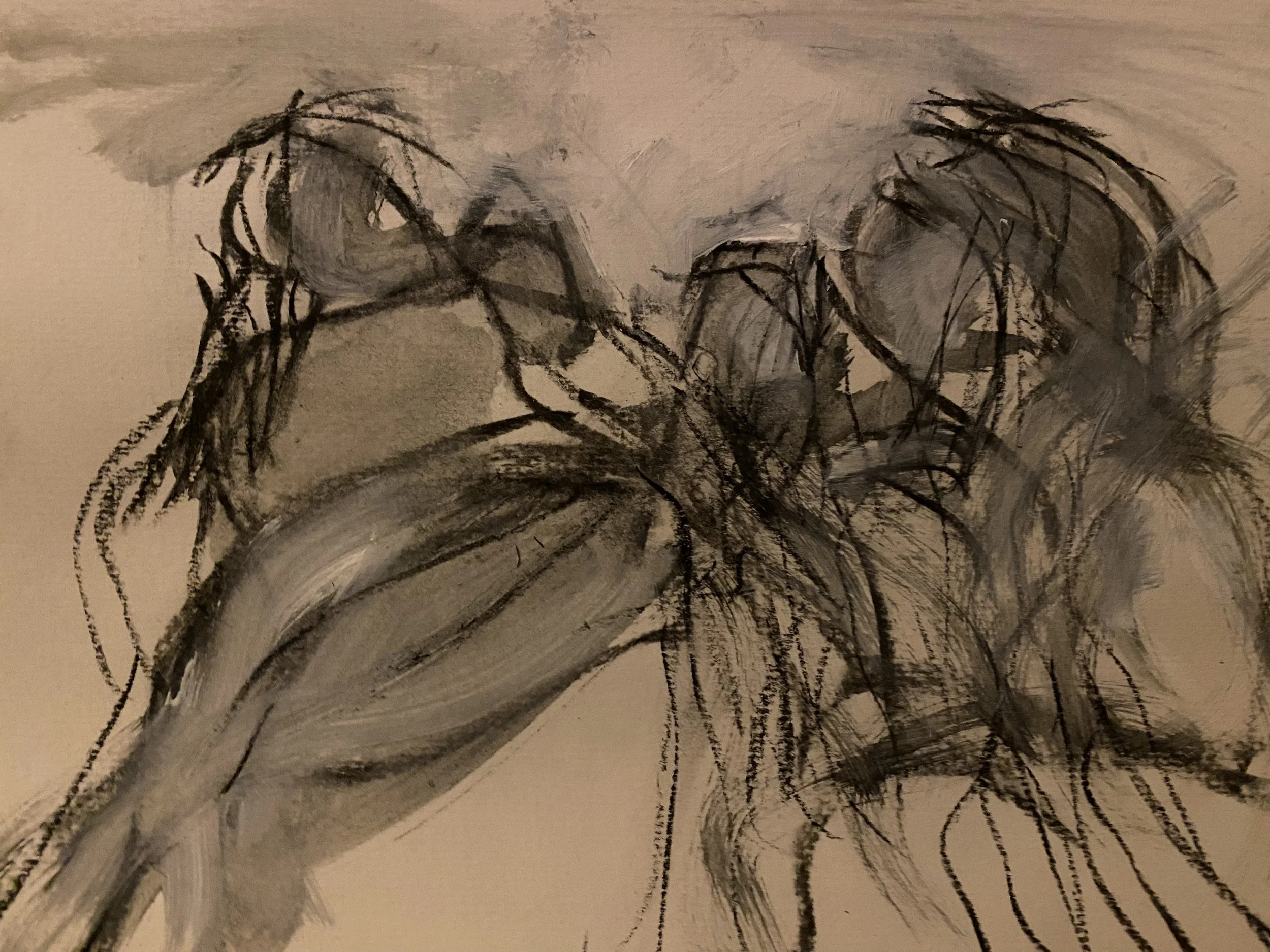
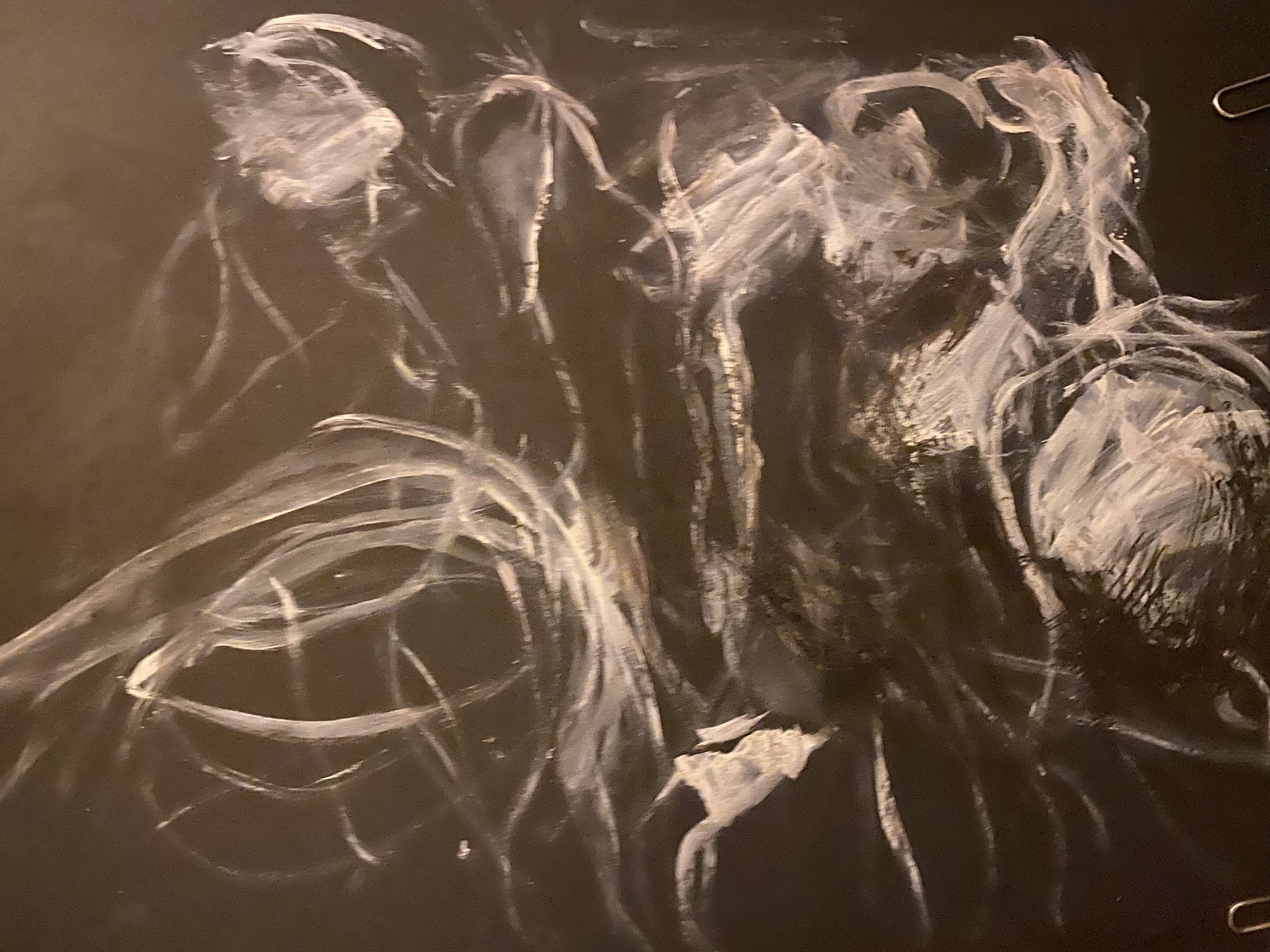
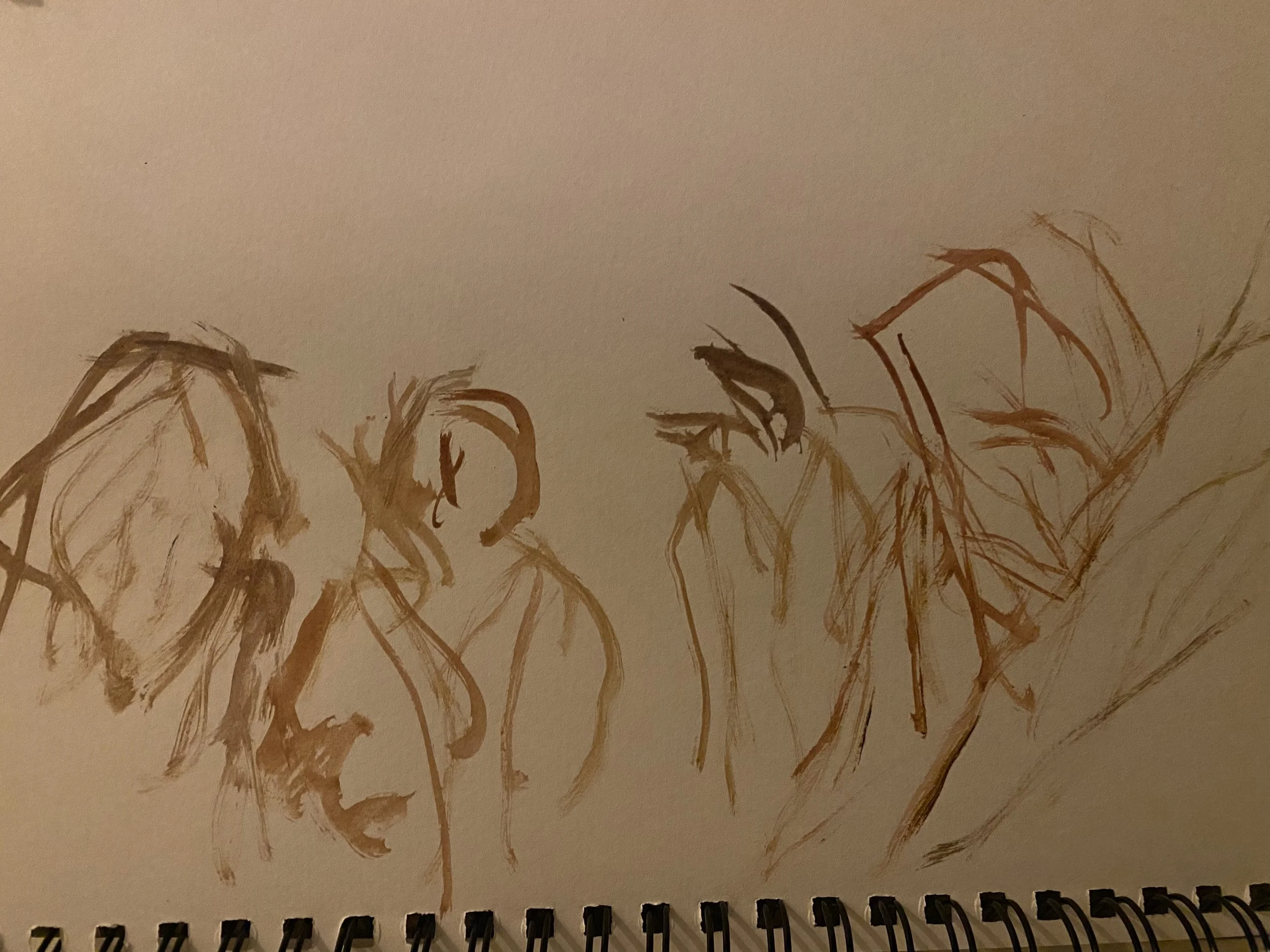
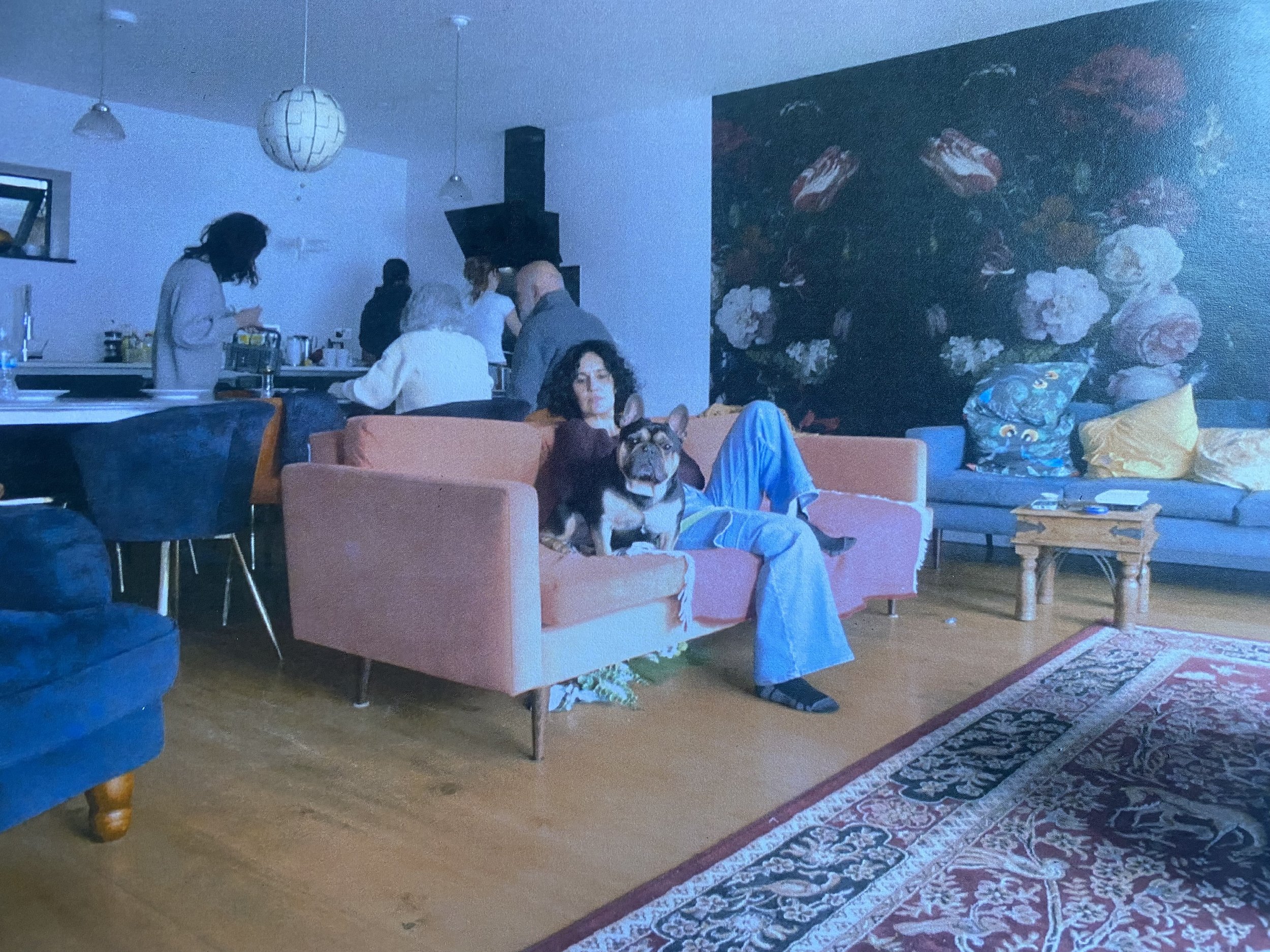
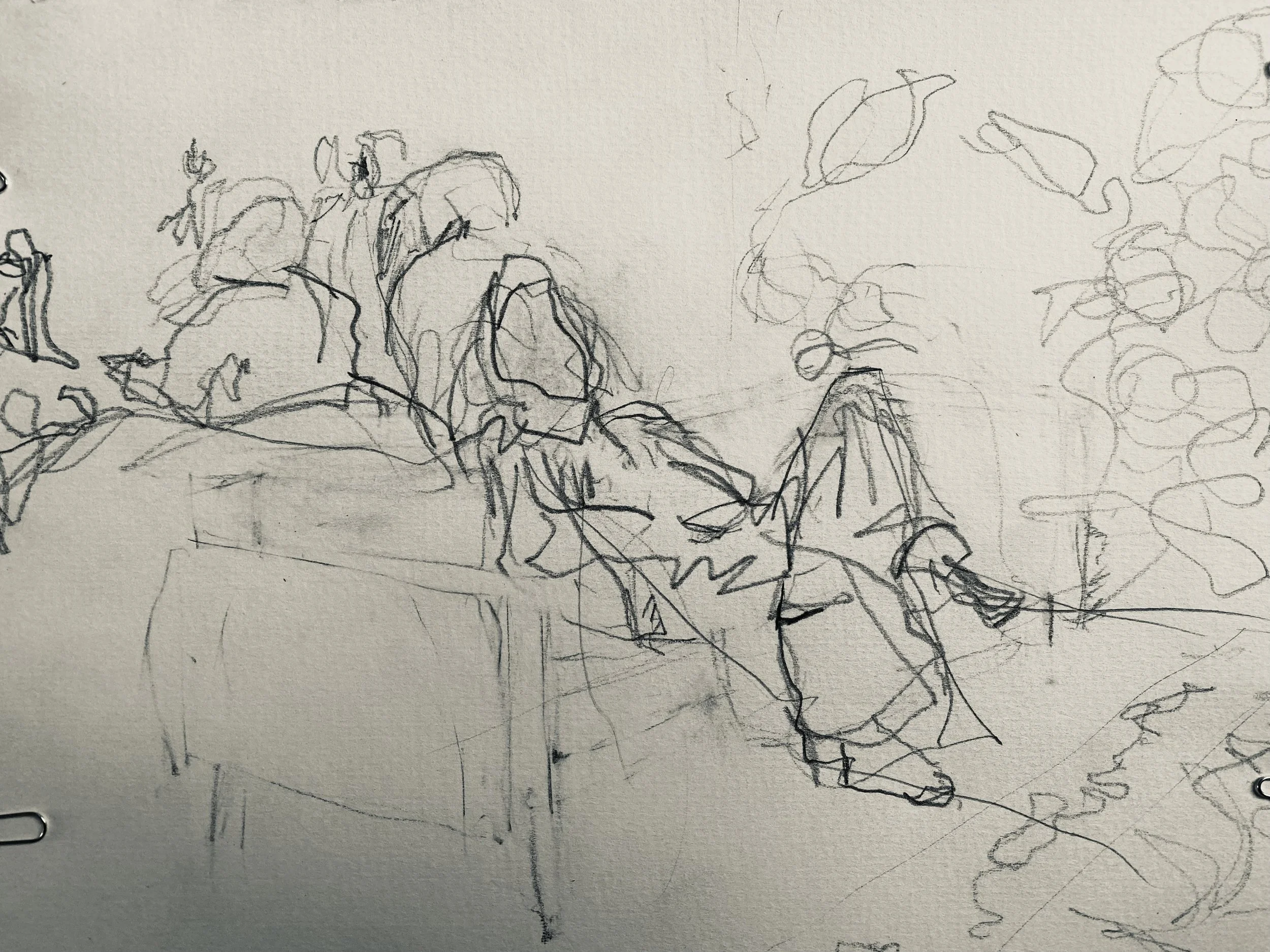
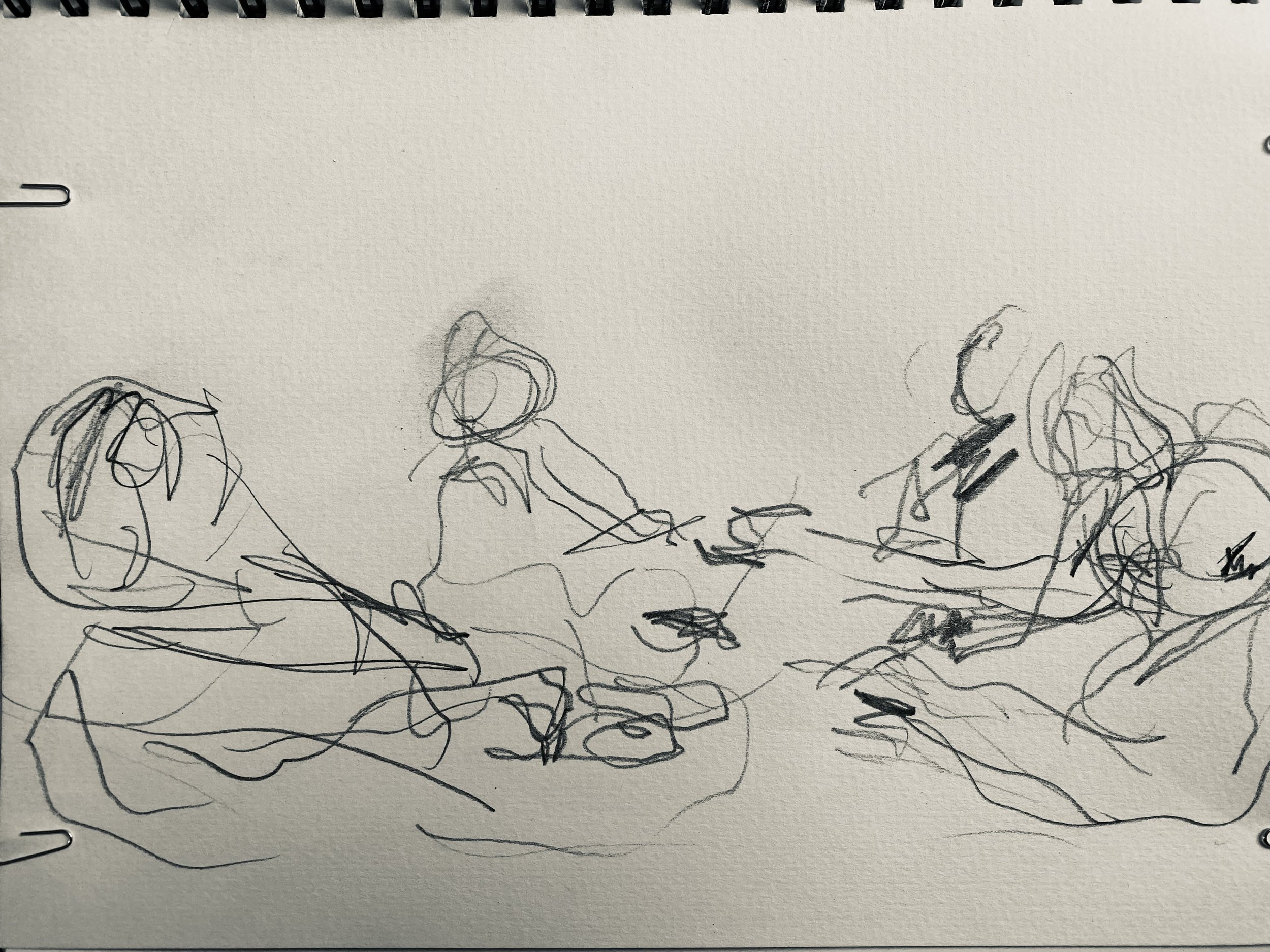
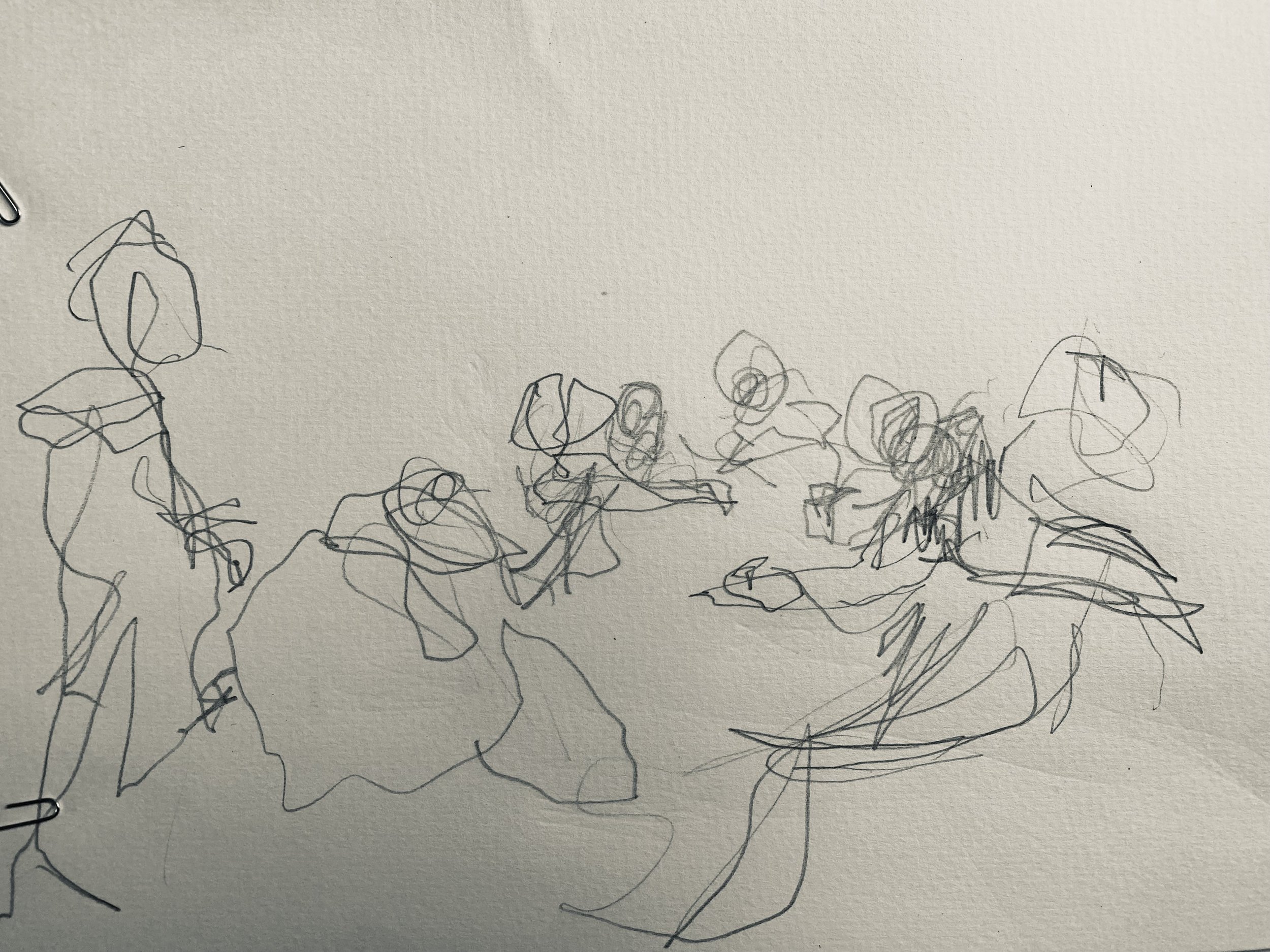
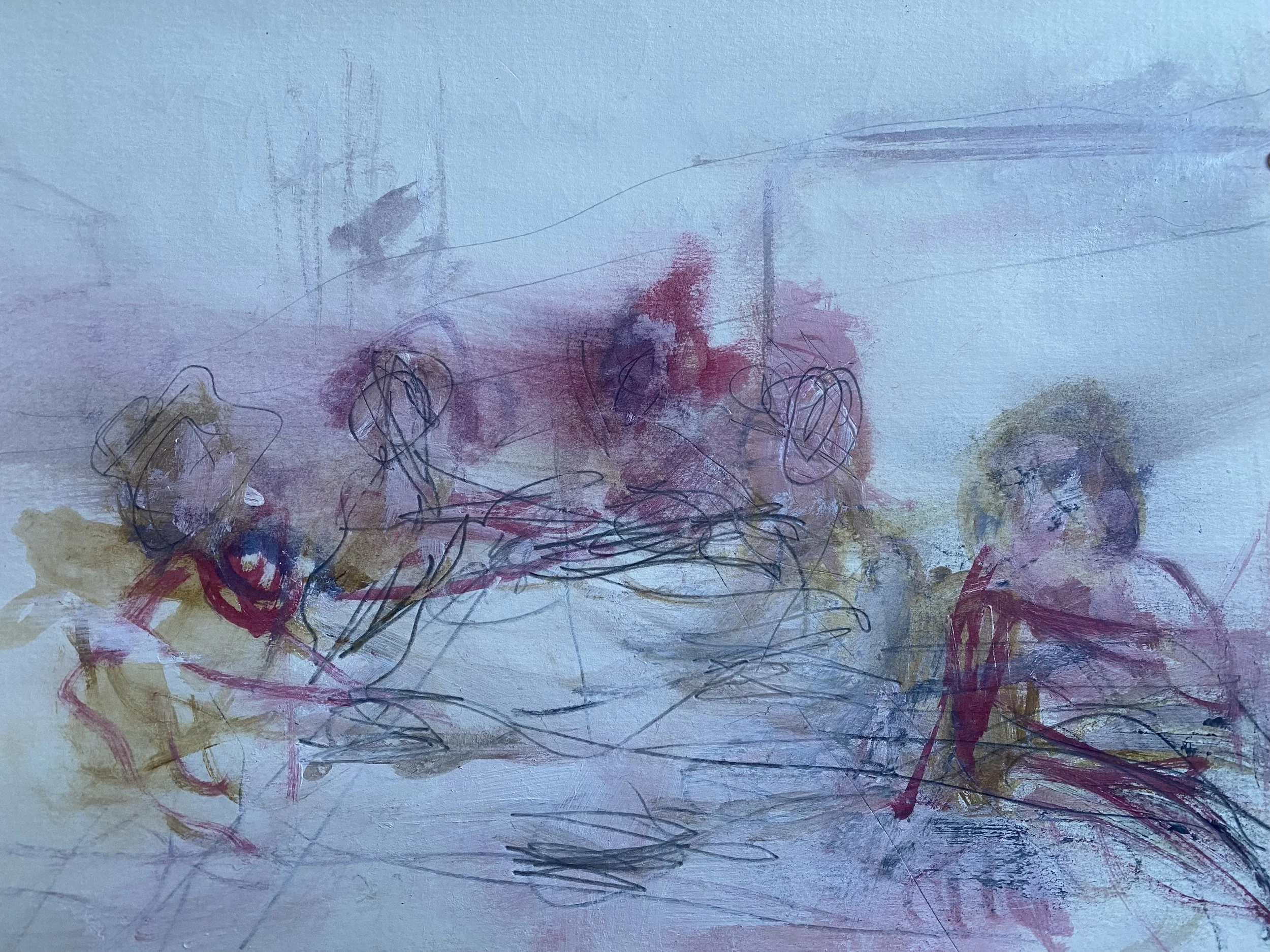
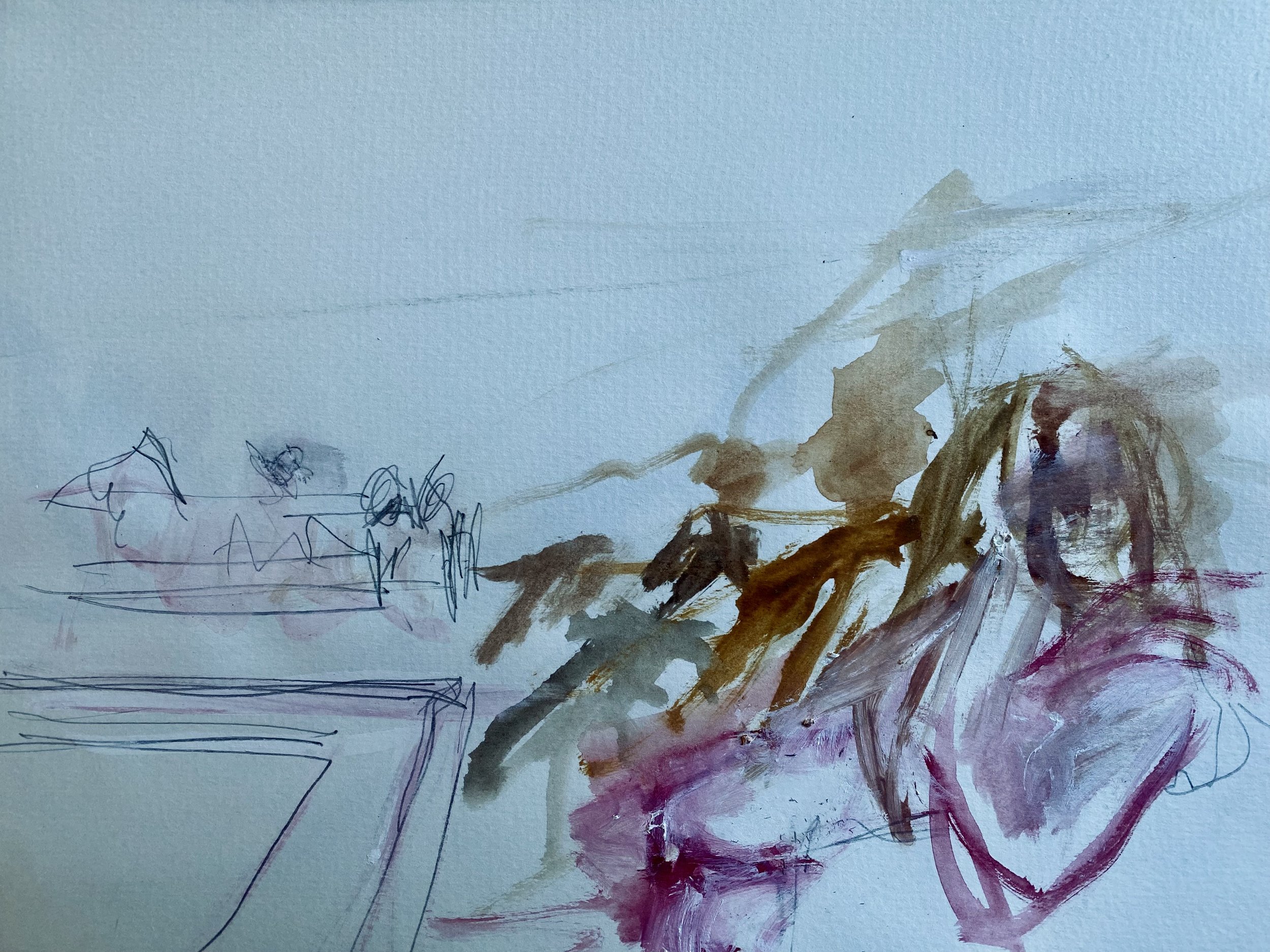
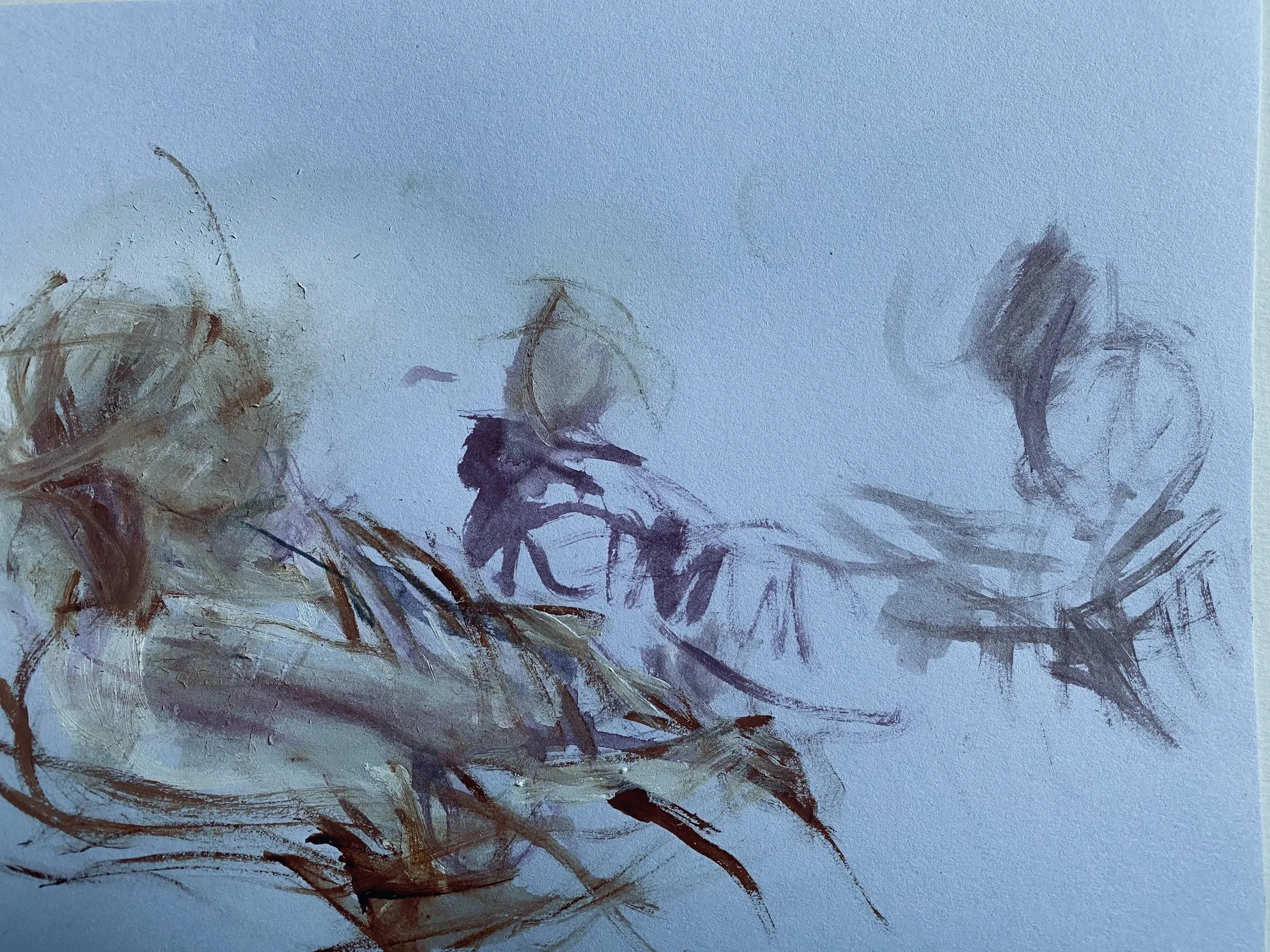
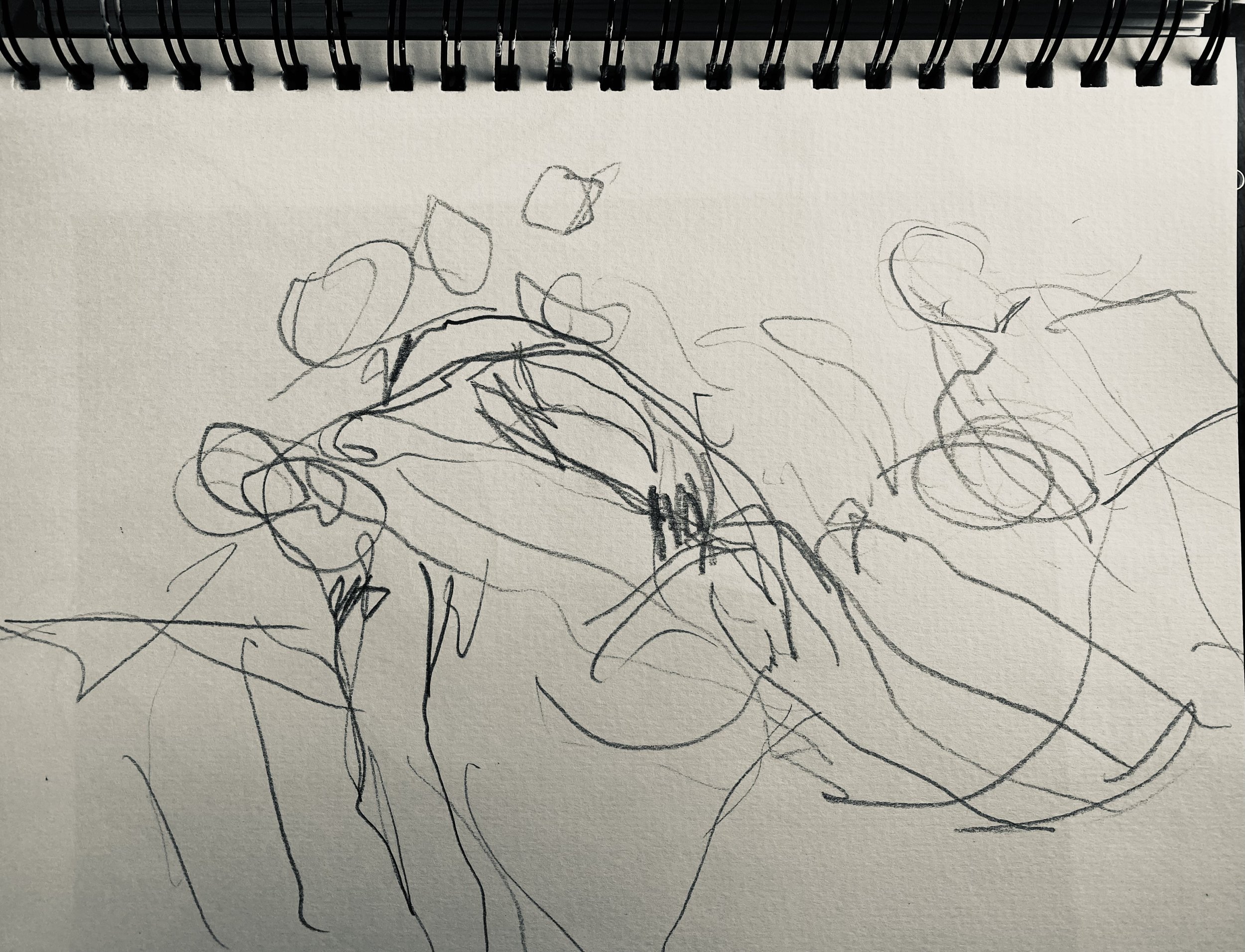
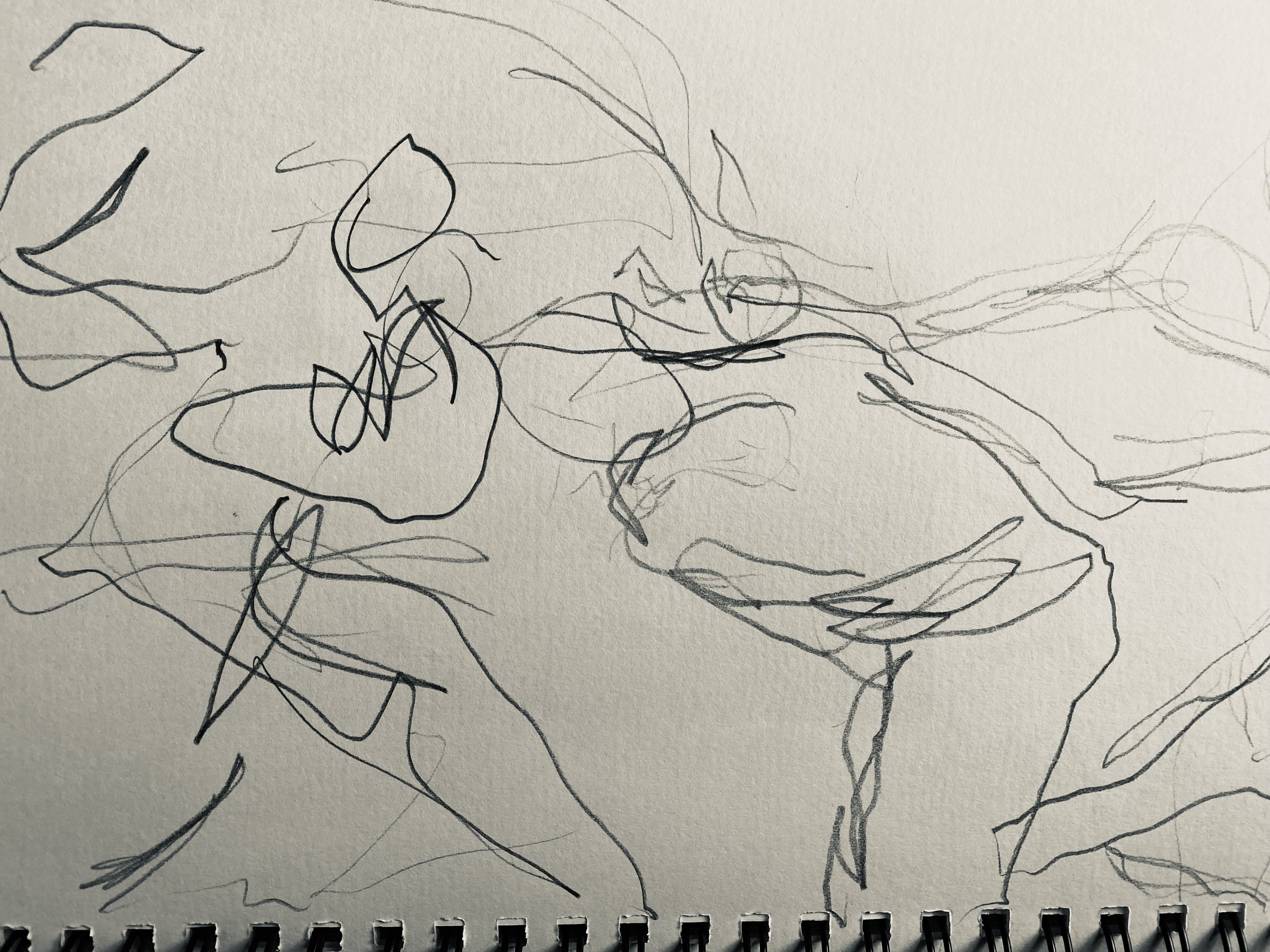
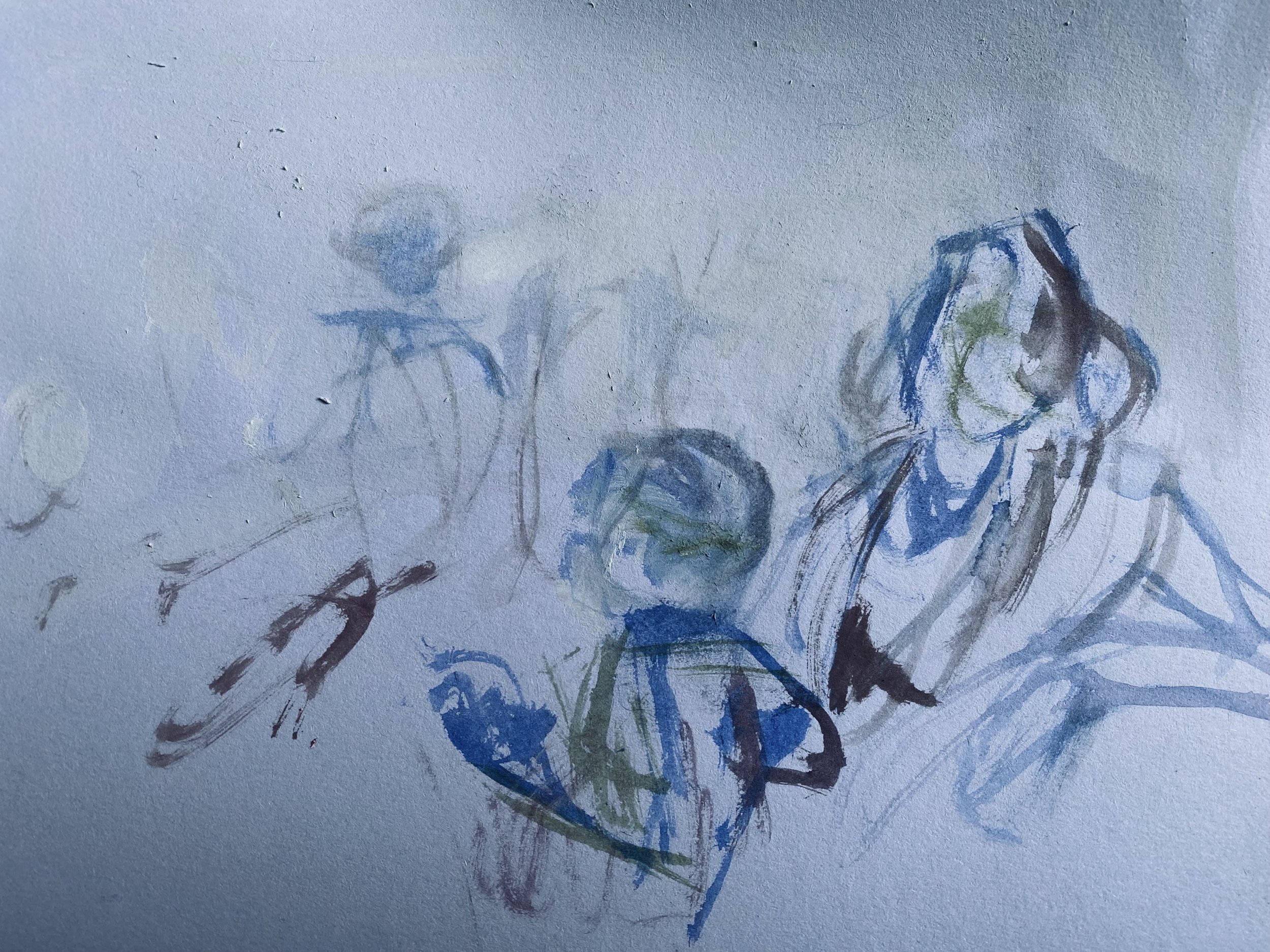
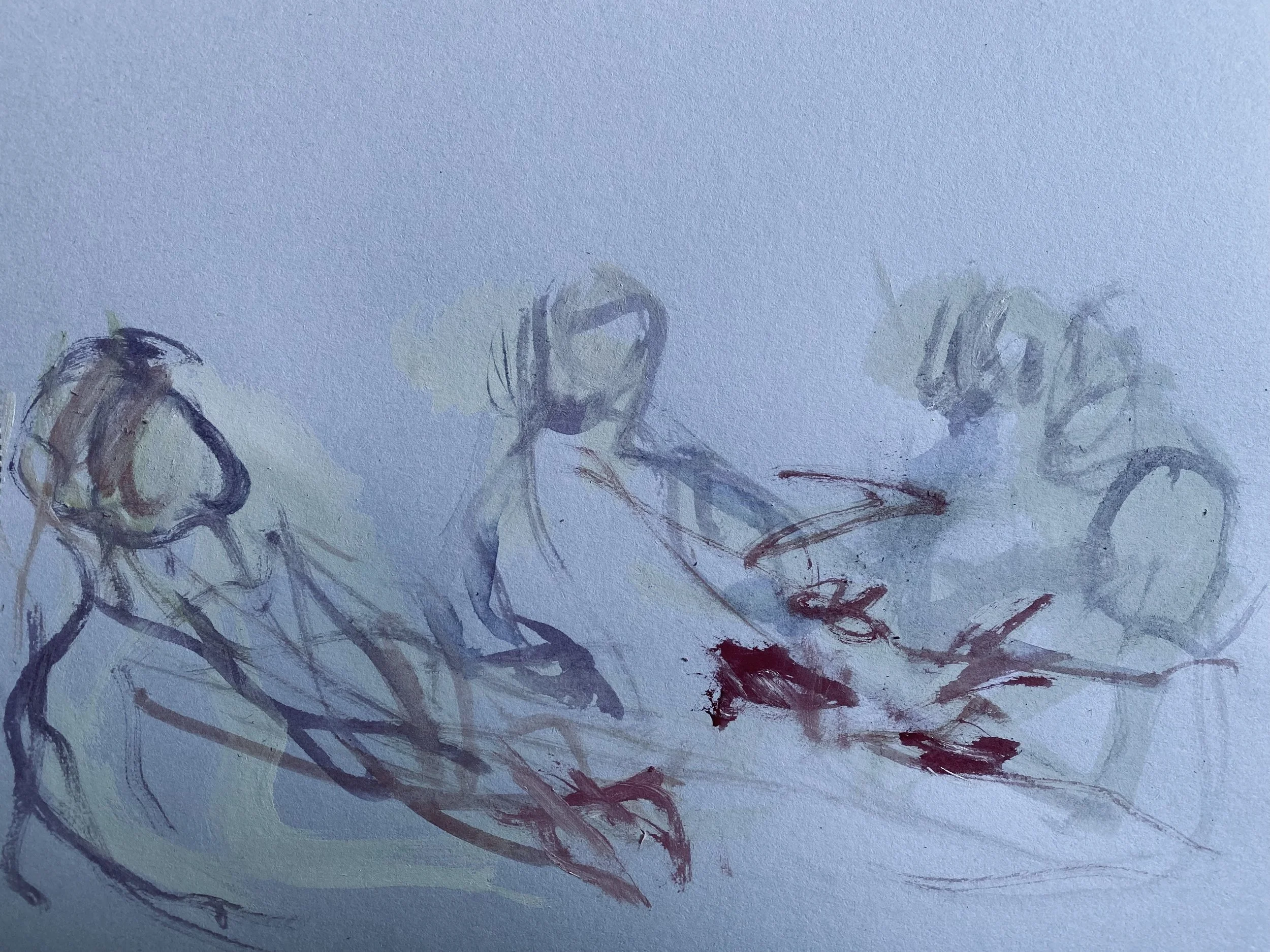
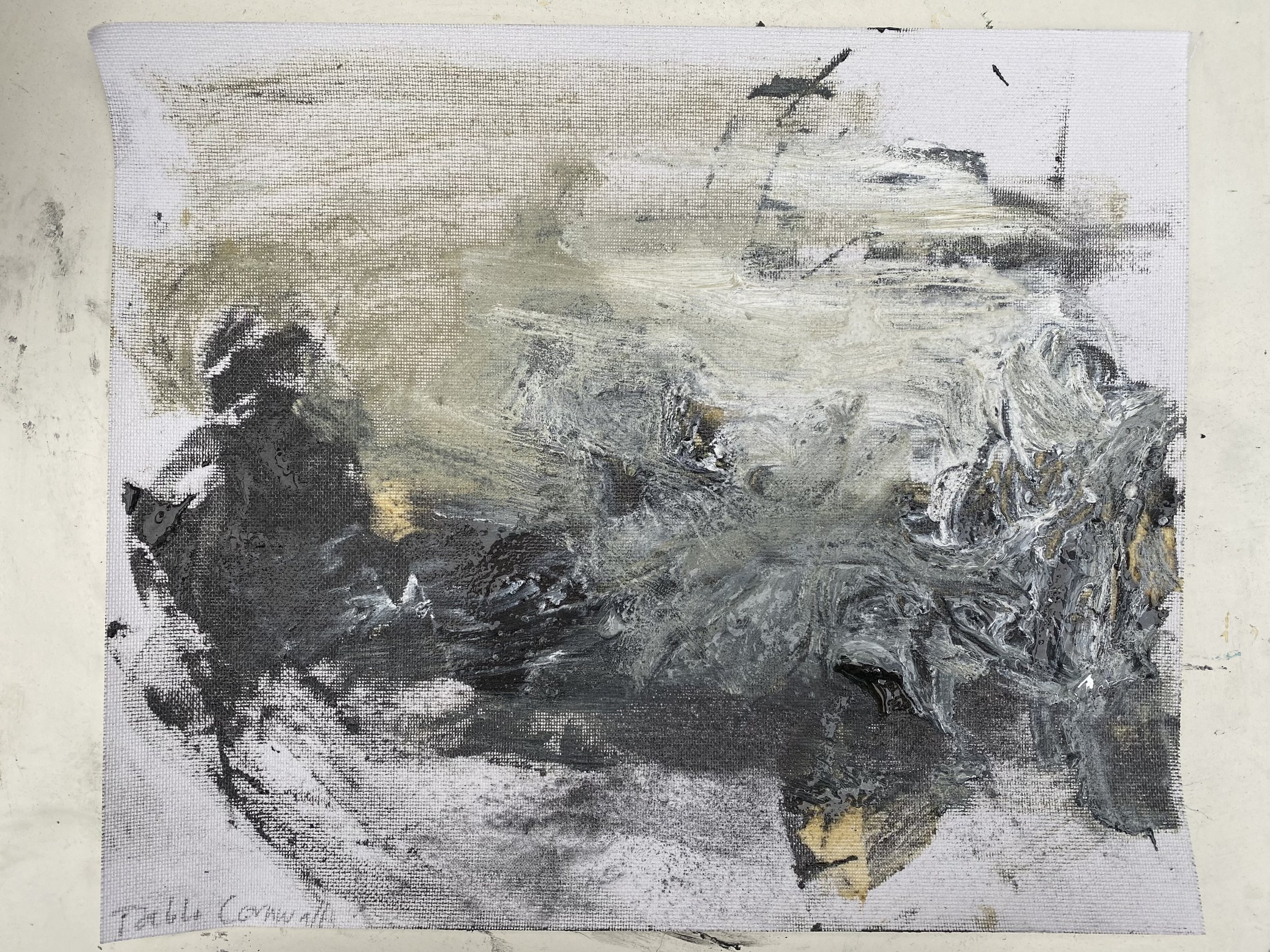
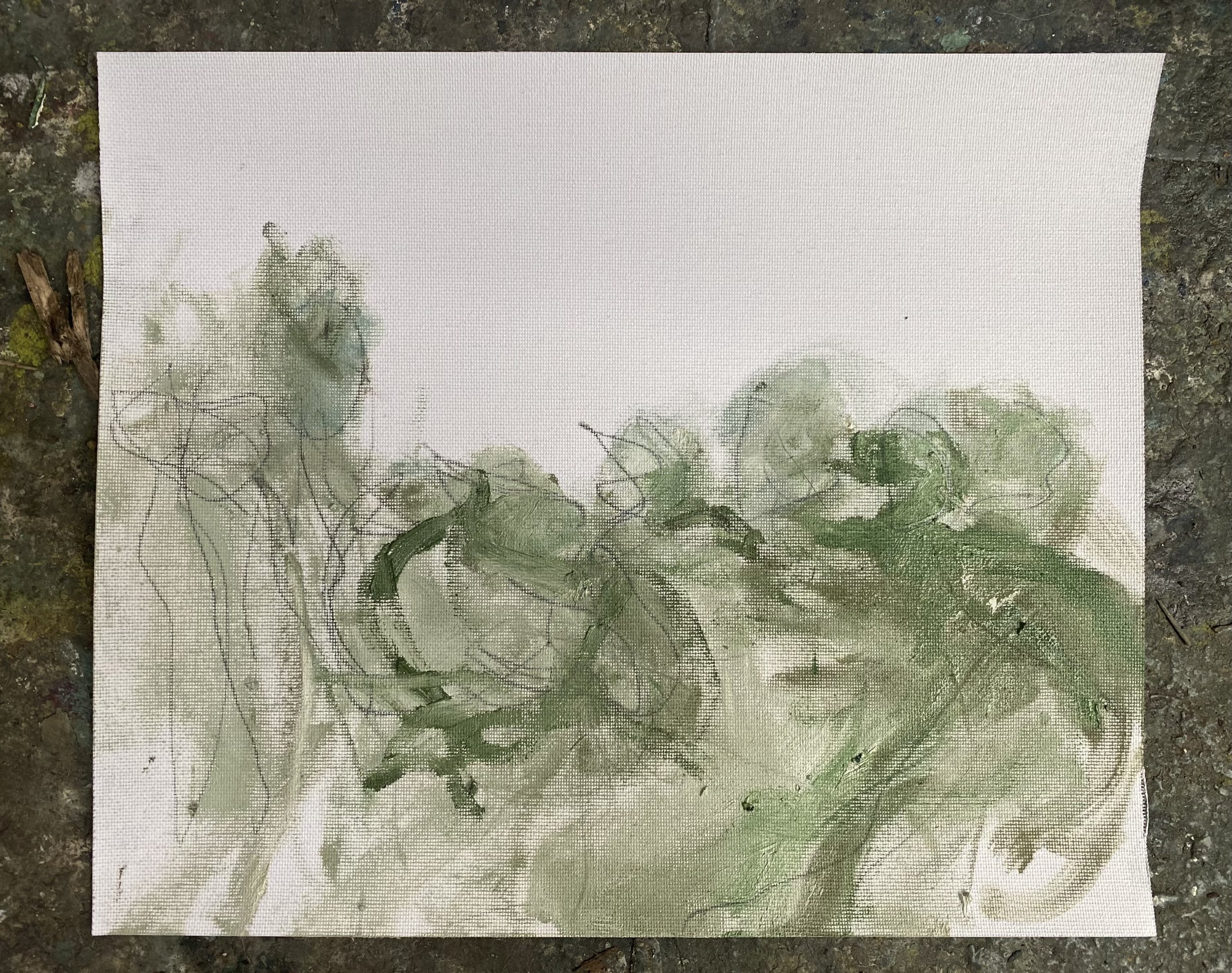
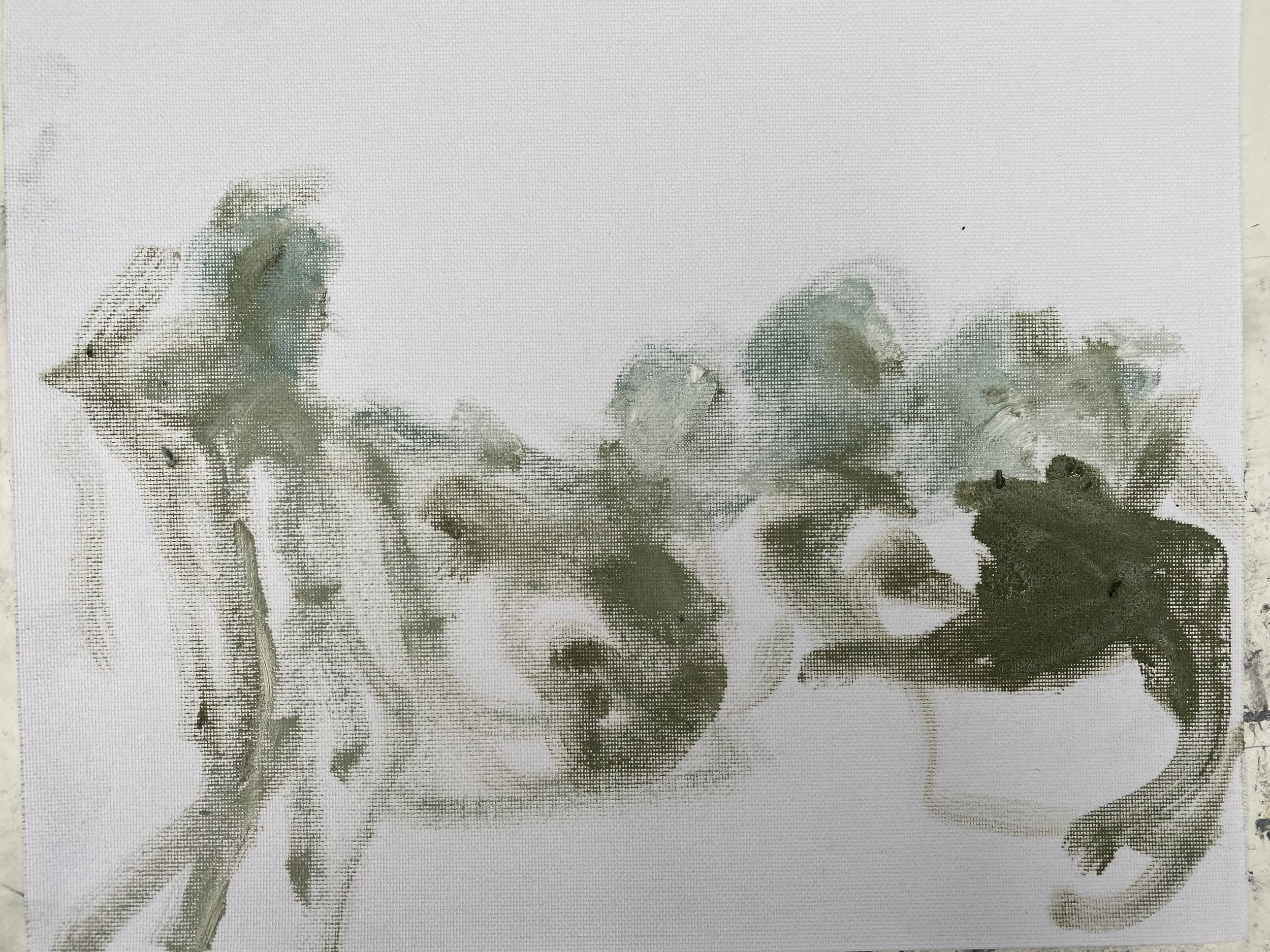
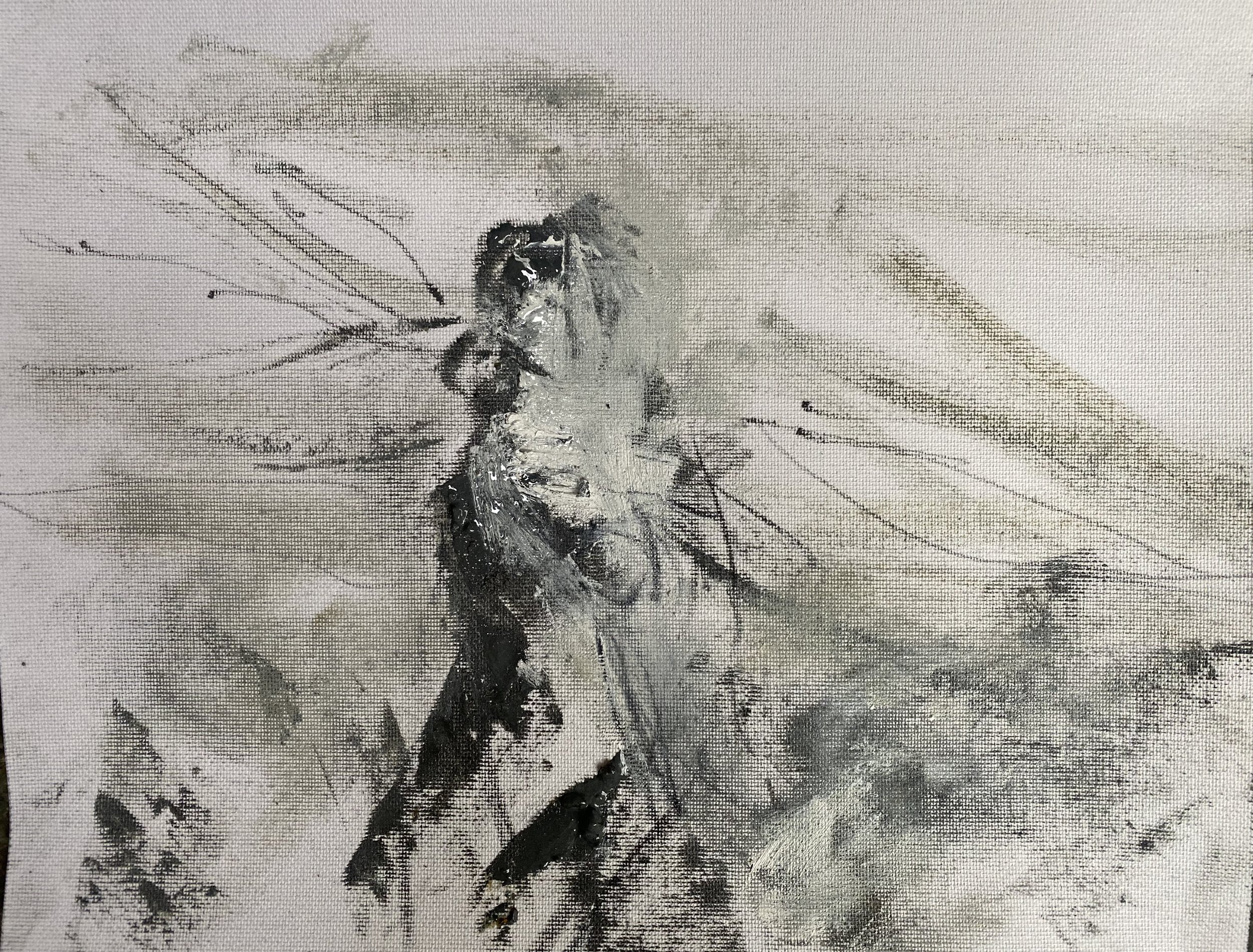
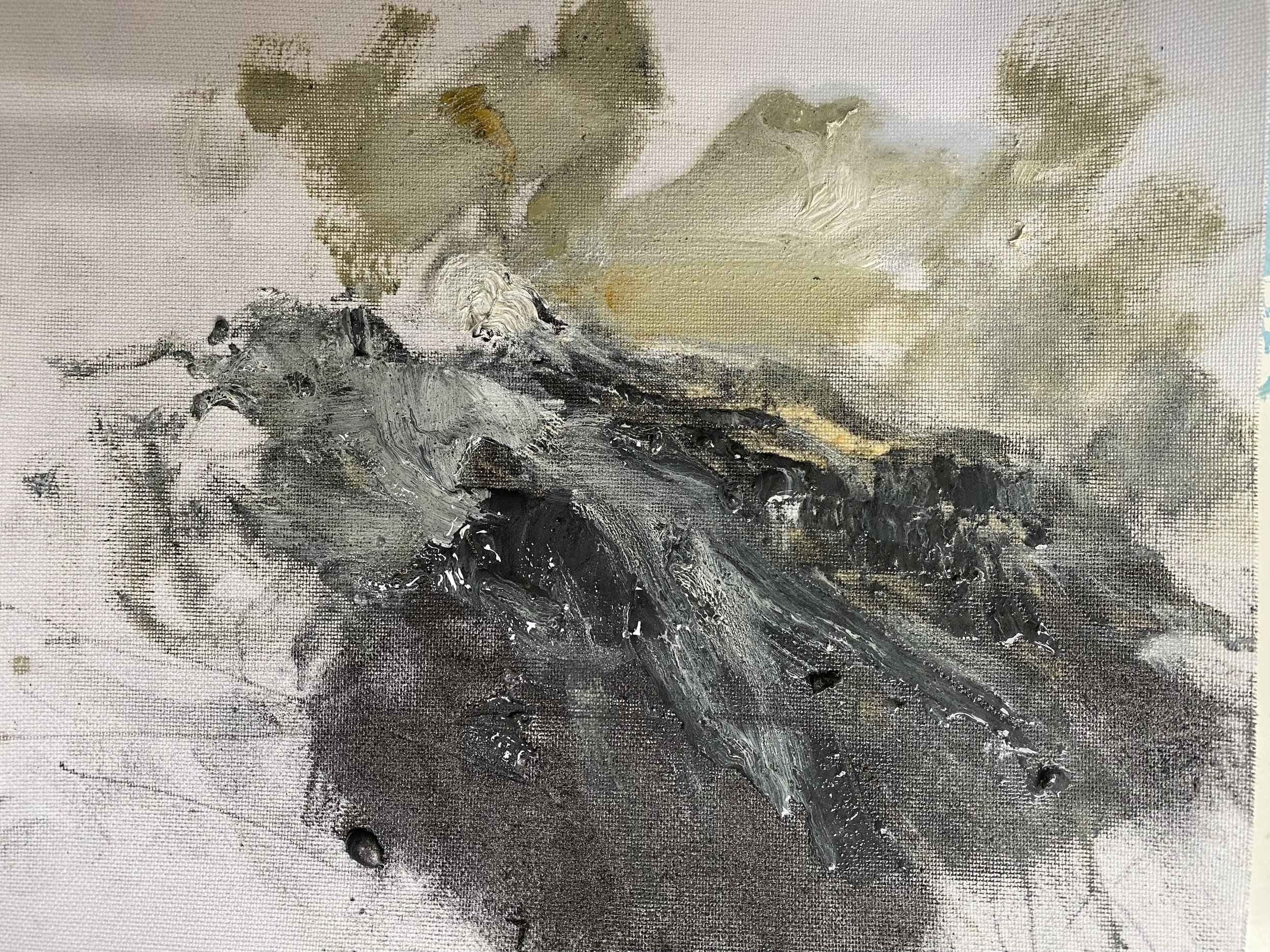
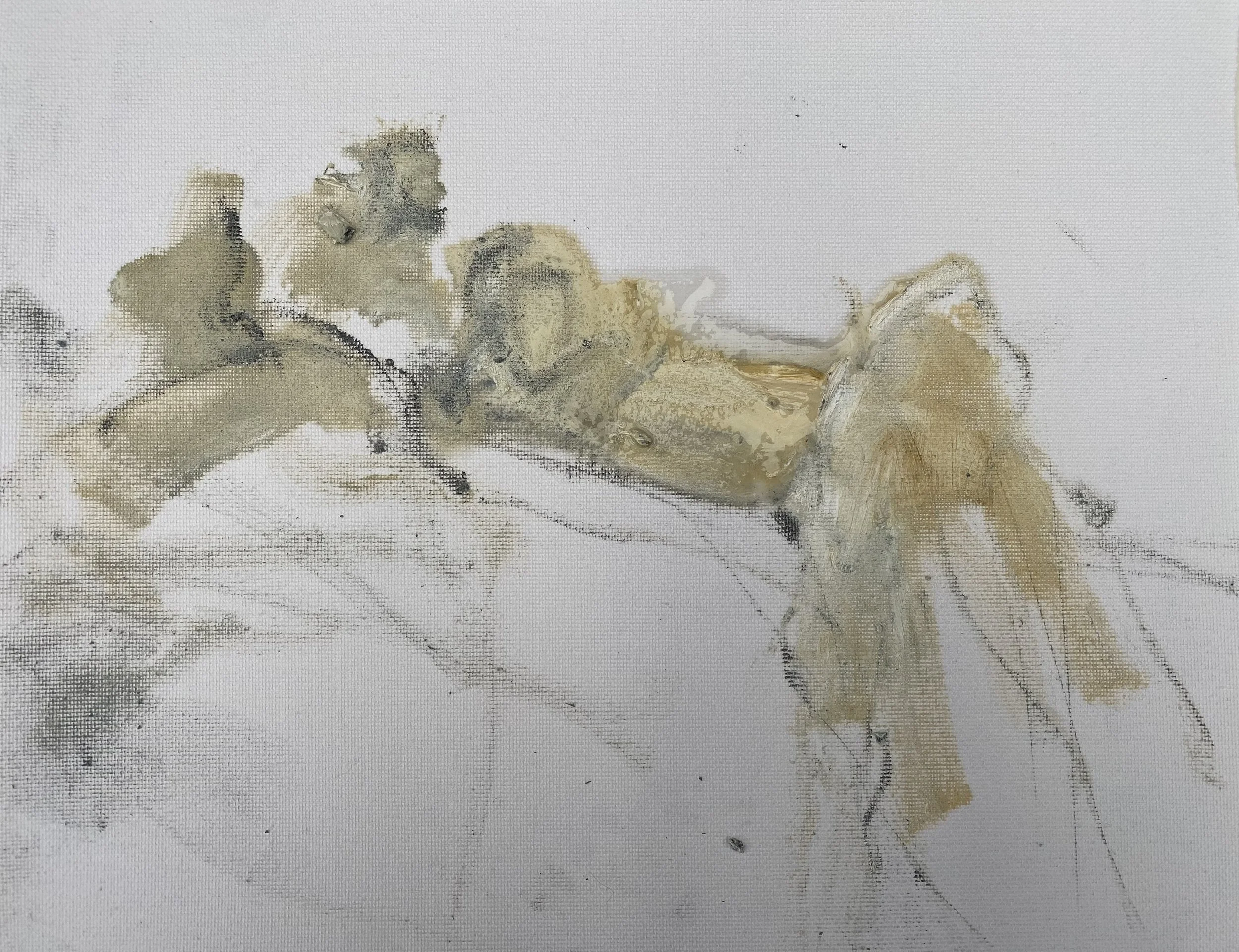
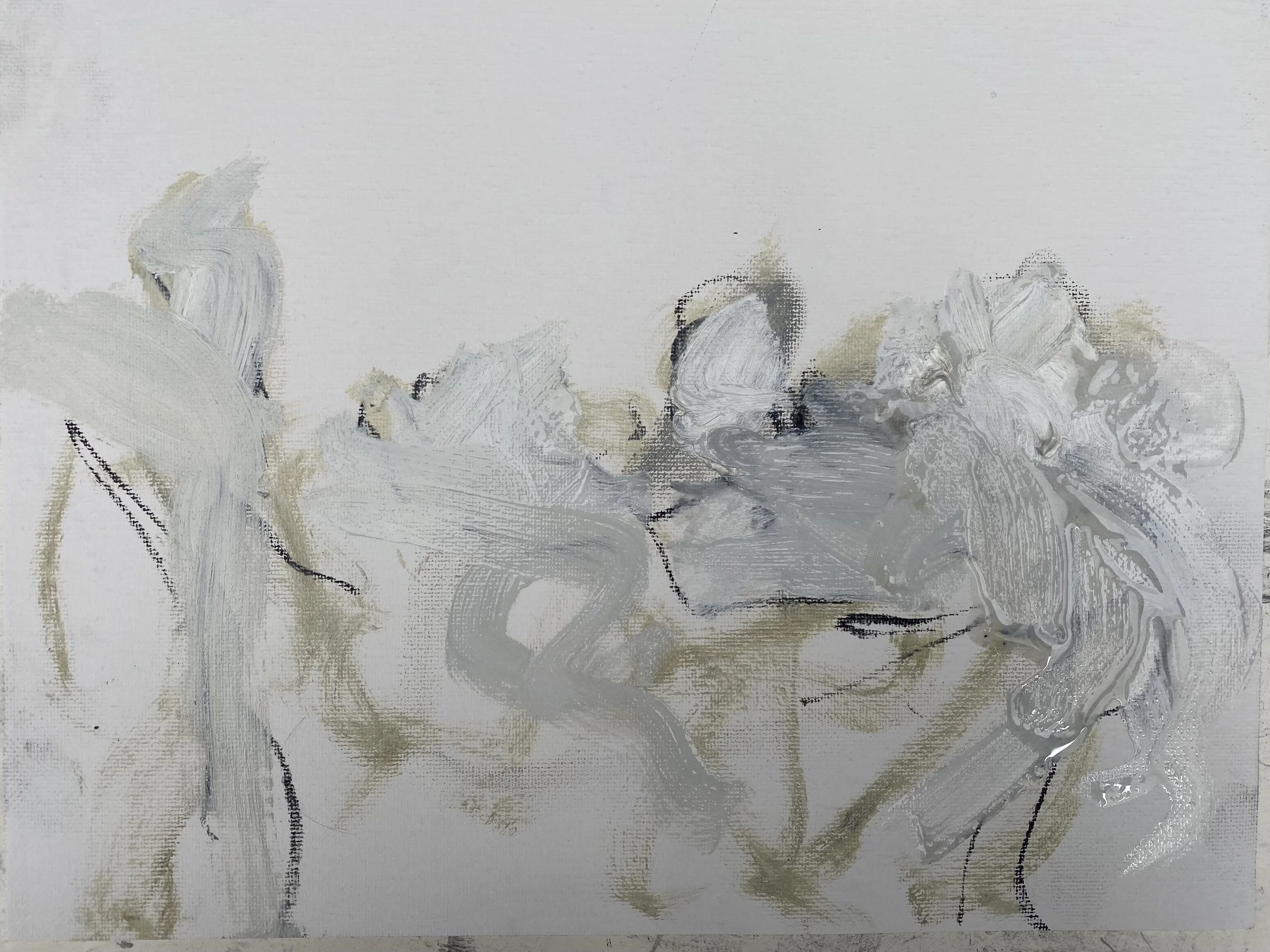
Experiments in forming a textured, tonal painting
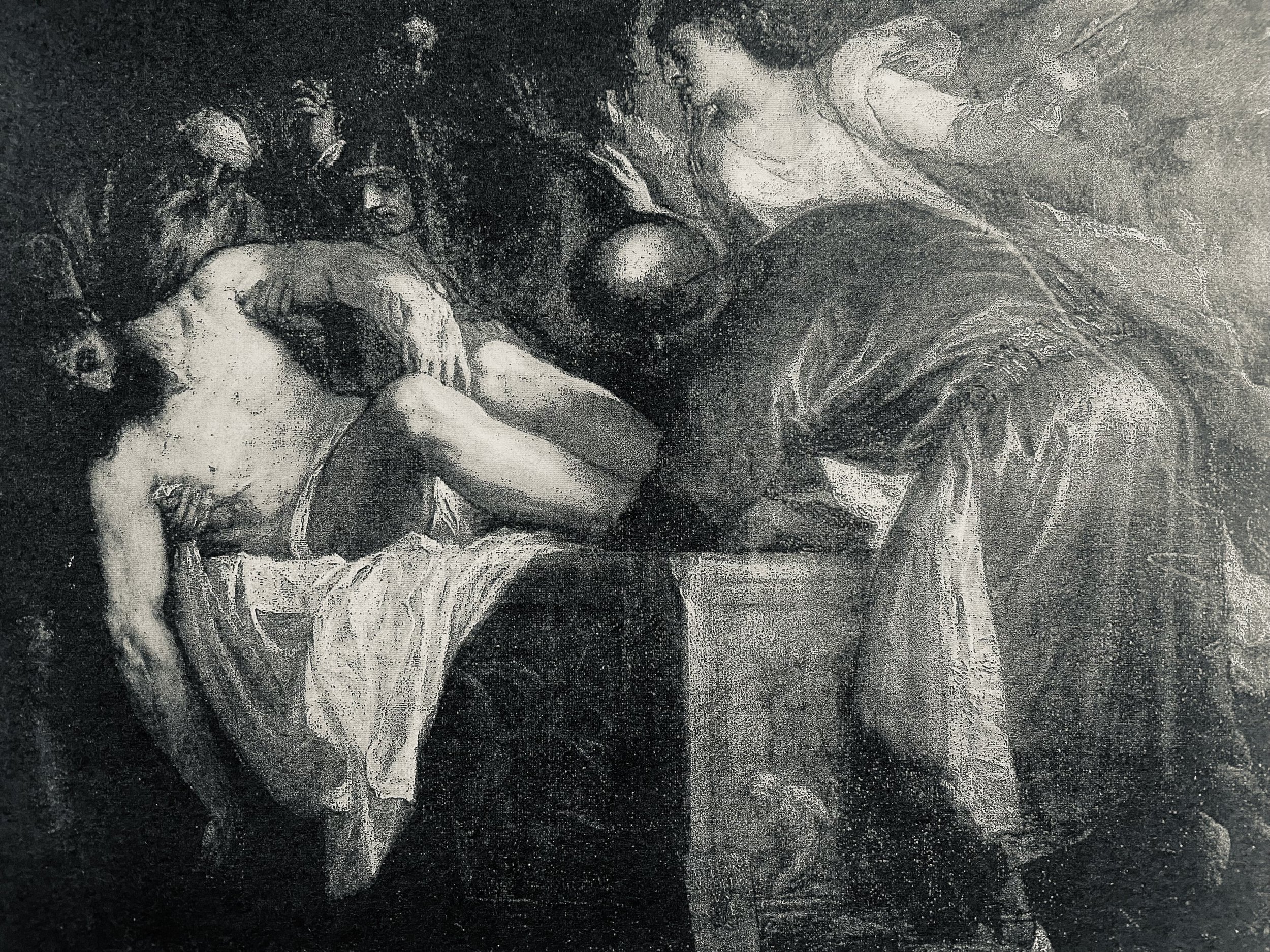
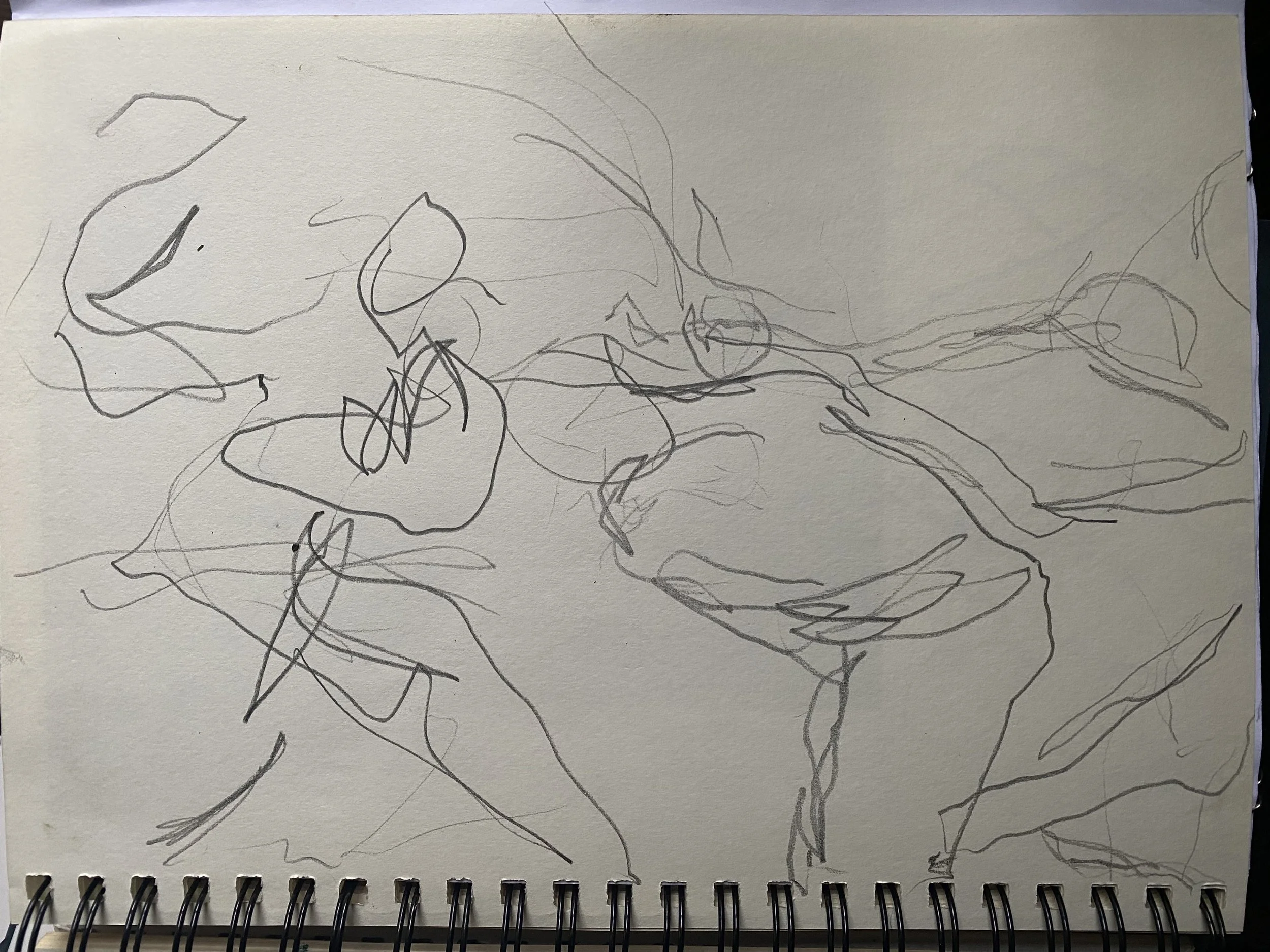
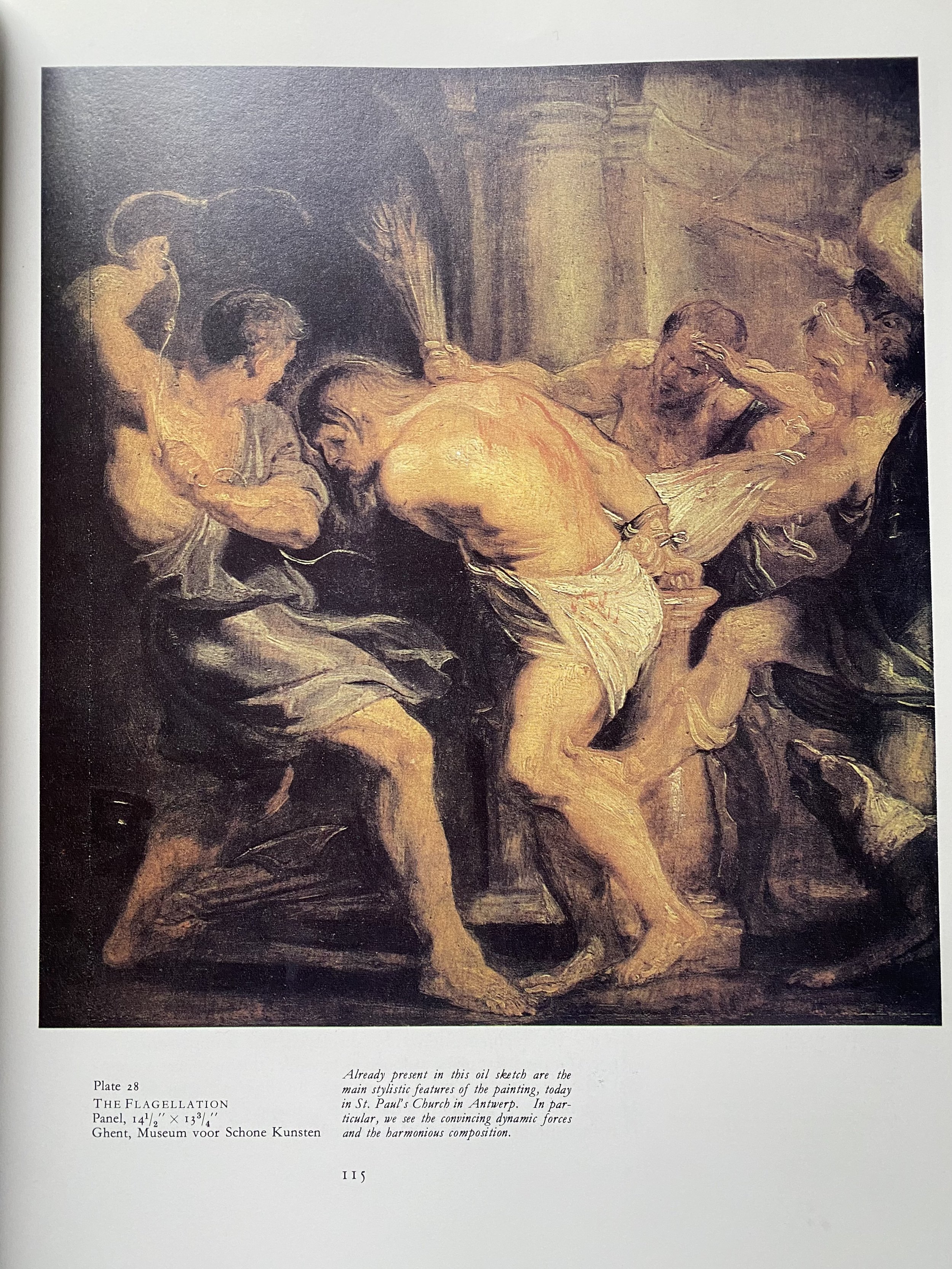
In order to experiment in using texture and tone I decided to experiment with a drawing I had done from The Flagellation an oil sketch by Rubens. I firstly traced the sketch as i wanted to see the effect of the trace as part of the image.
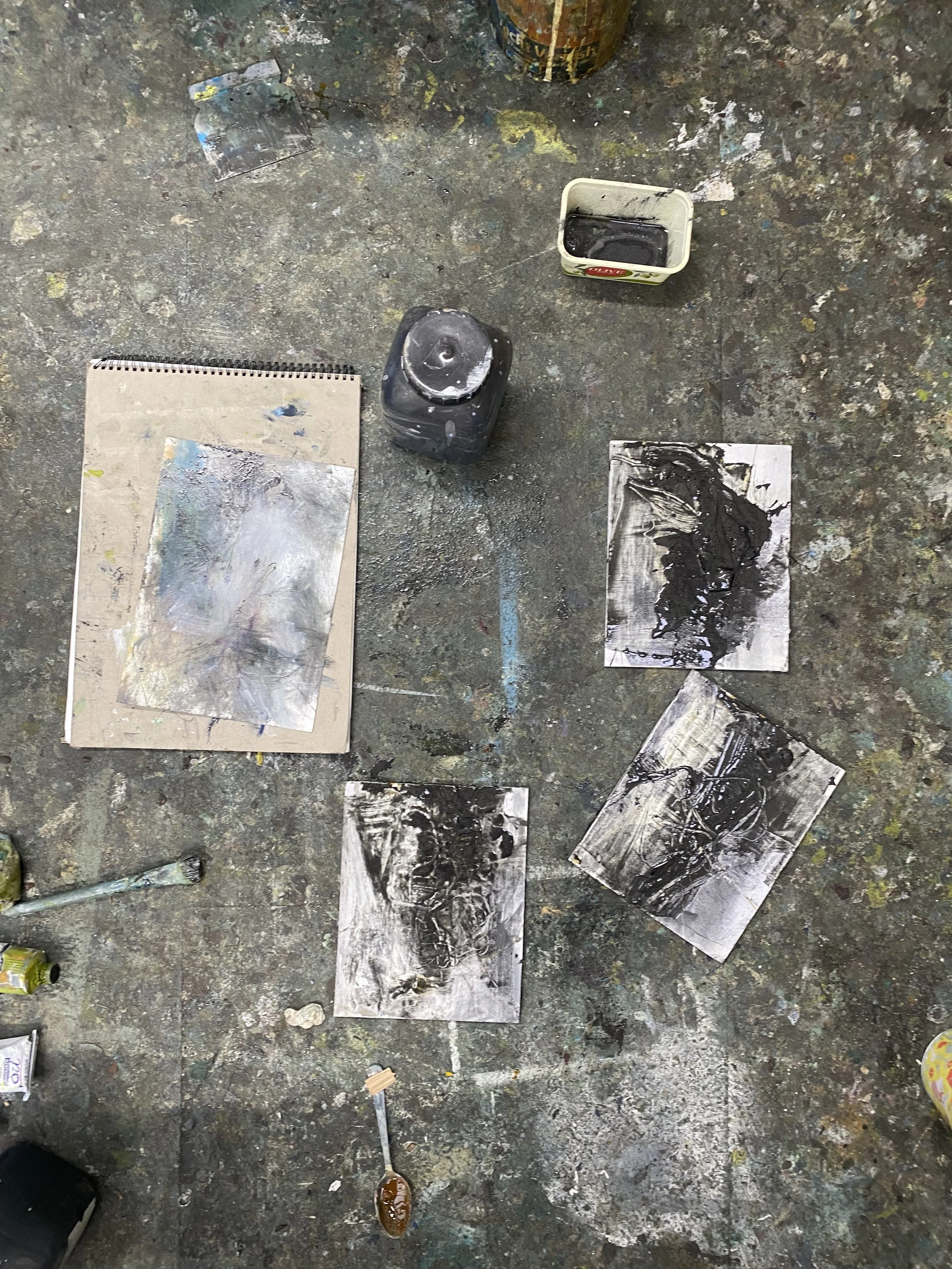
This wasn’t hugely successful as the tracing paper creased when it was glued. I tried again drawing straight from my drawing onto painted ply (boards taken out of the internal structure of my van in the spirit of reusing and because I liked the surface texture). I then worked graphite powder, shellac and white oil paint into the drawing to model the figures as can be see below.
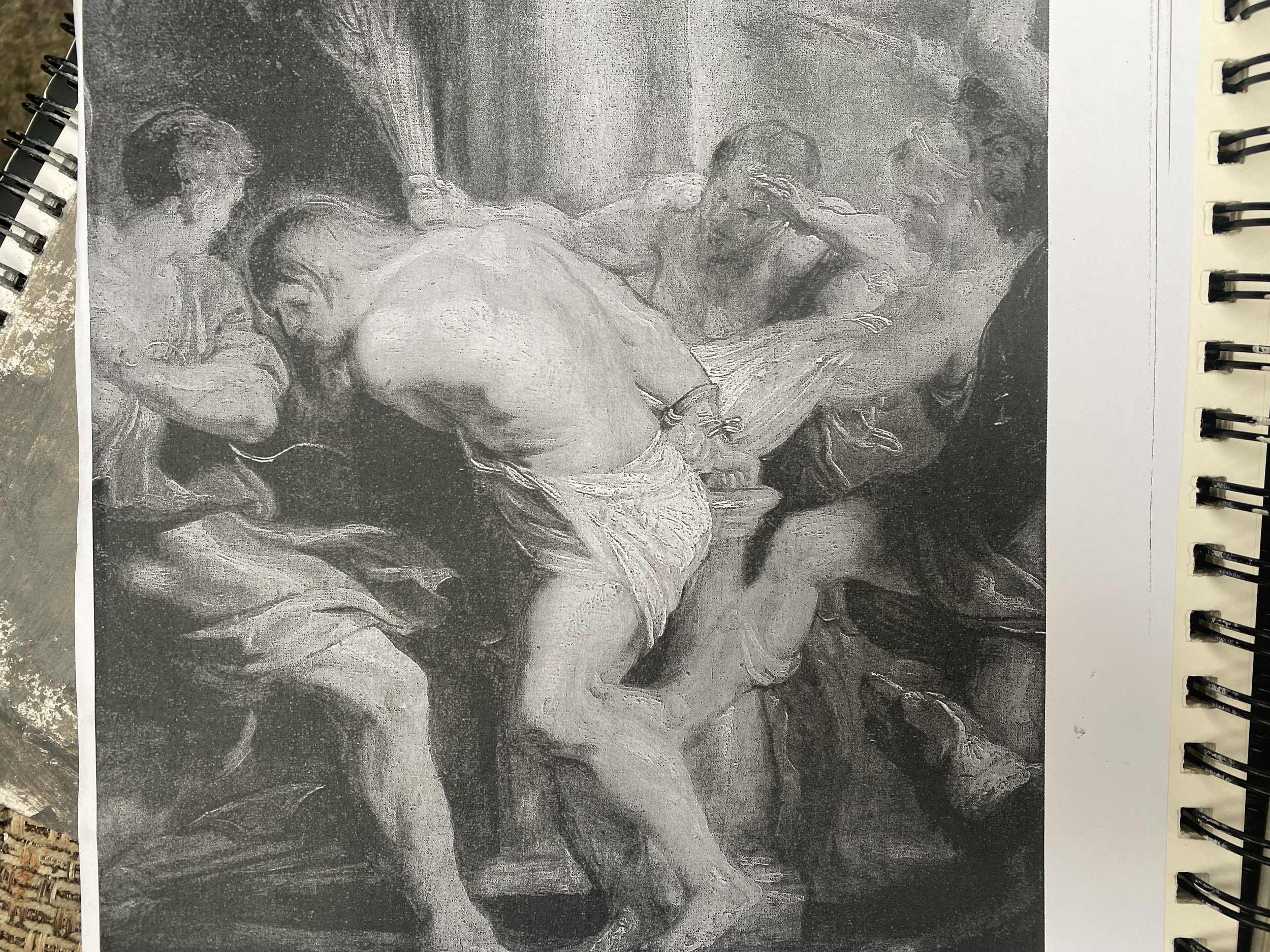
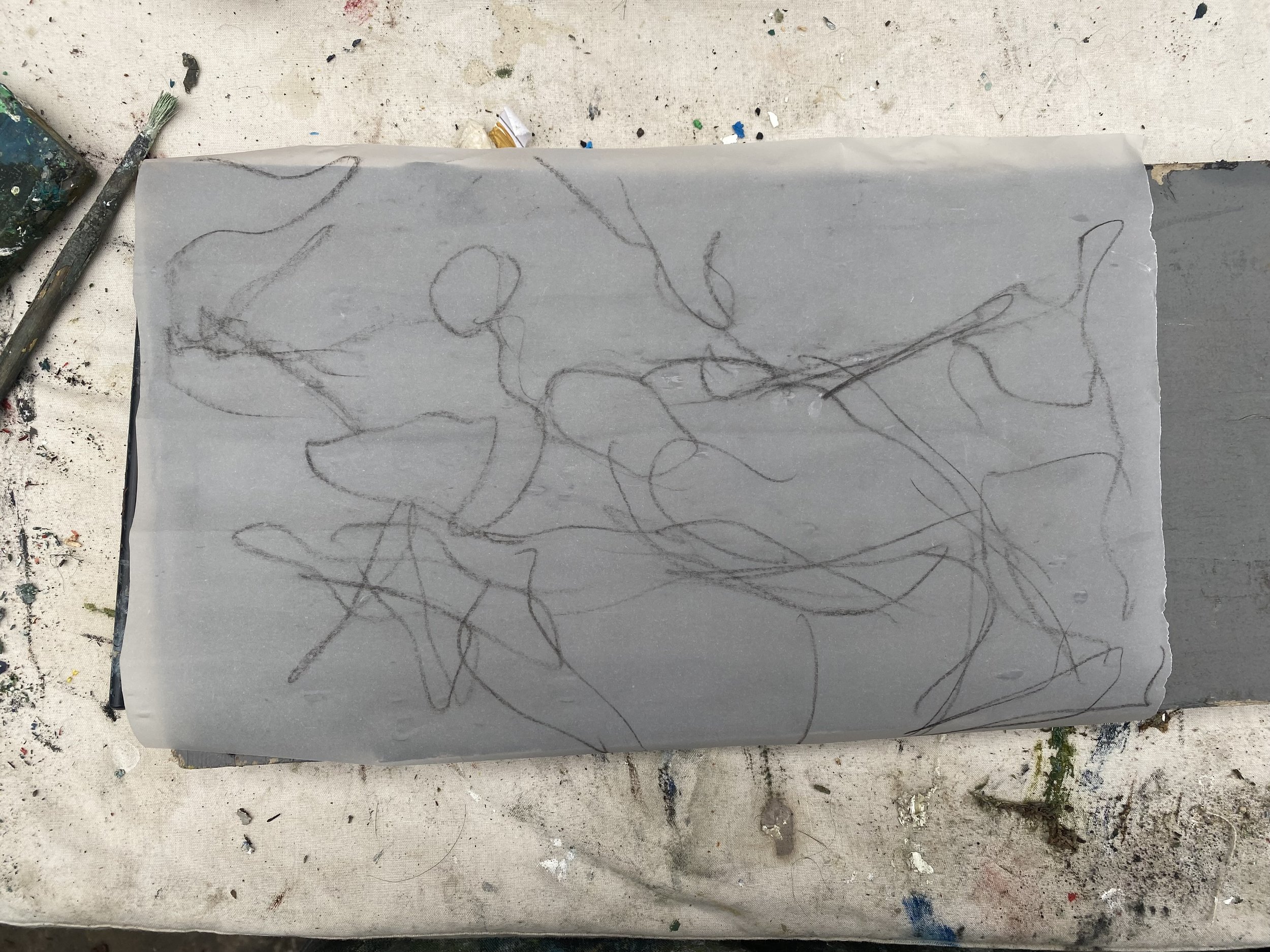
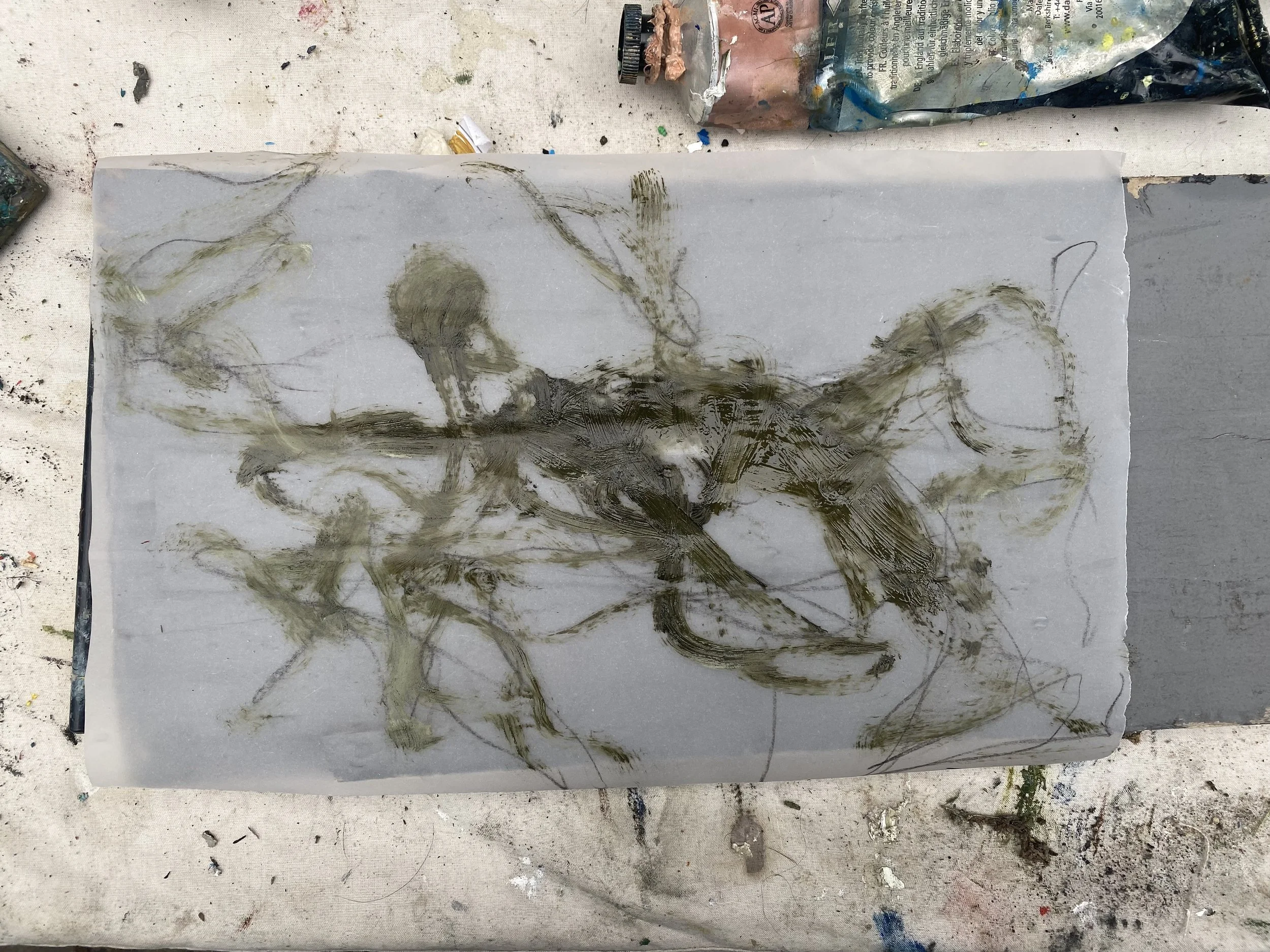
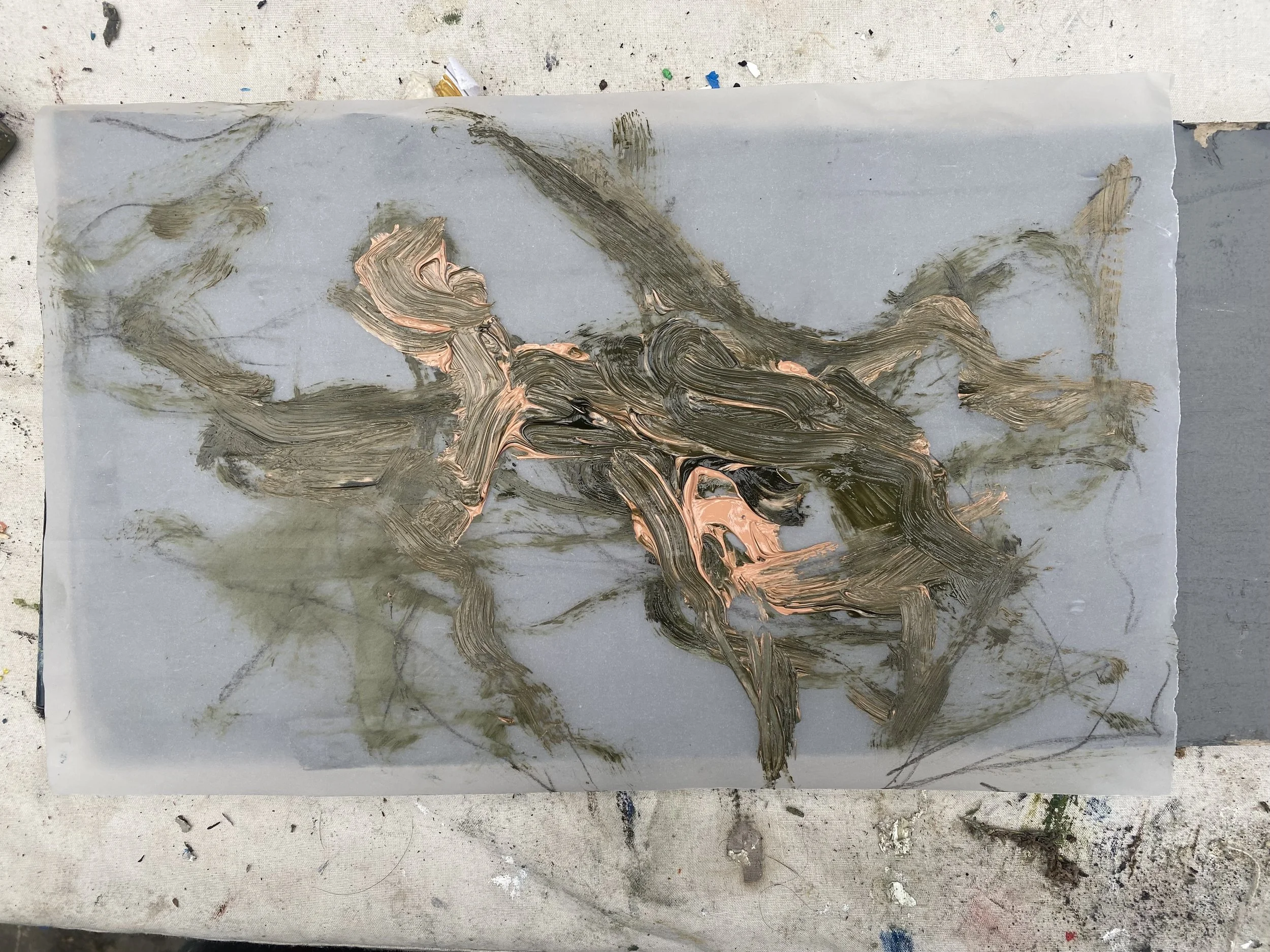
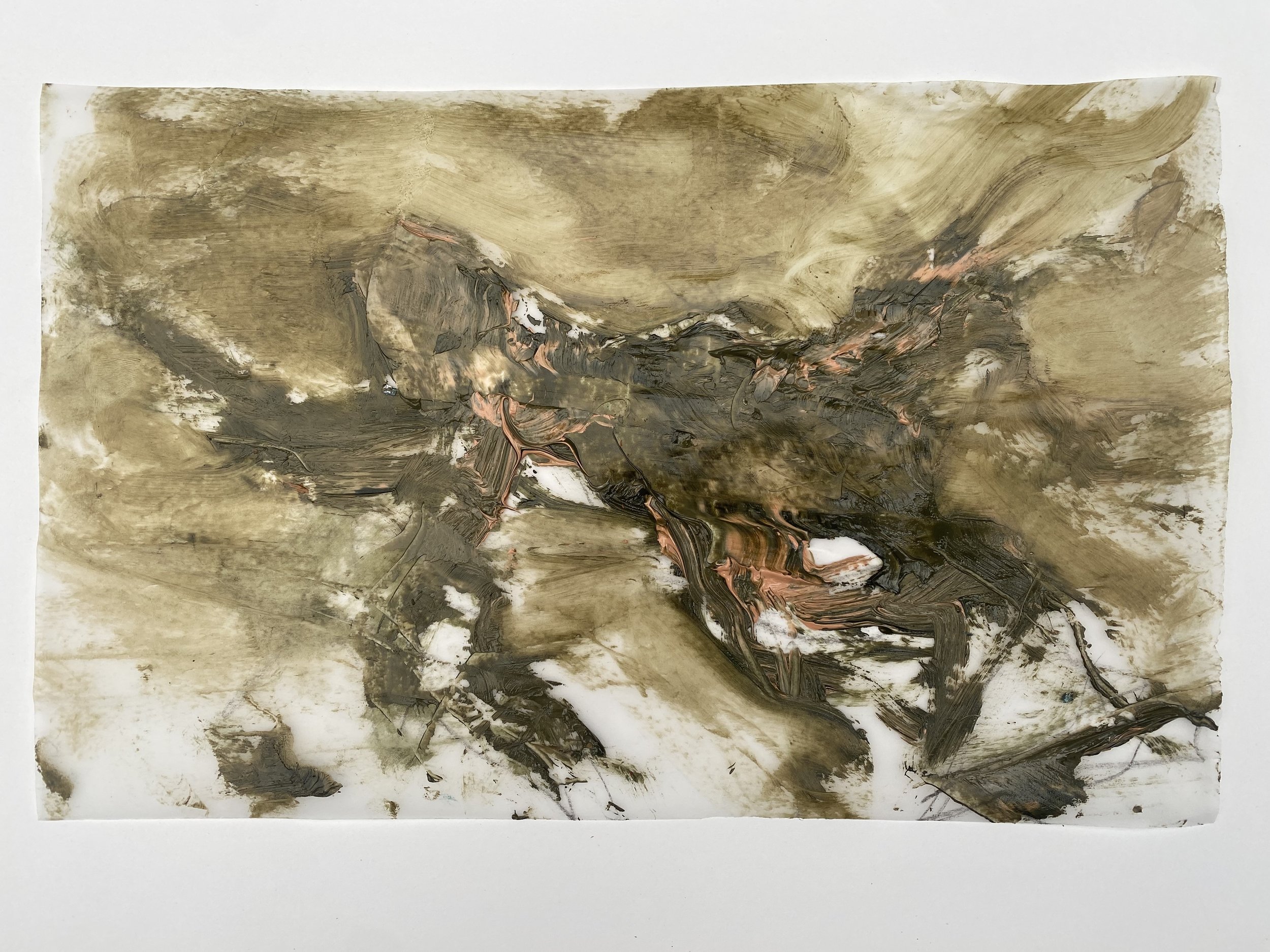
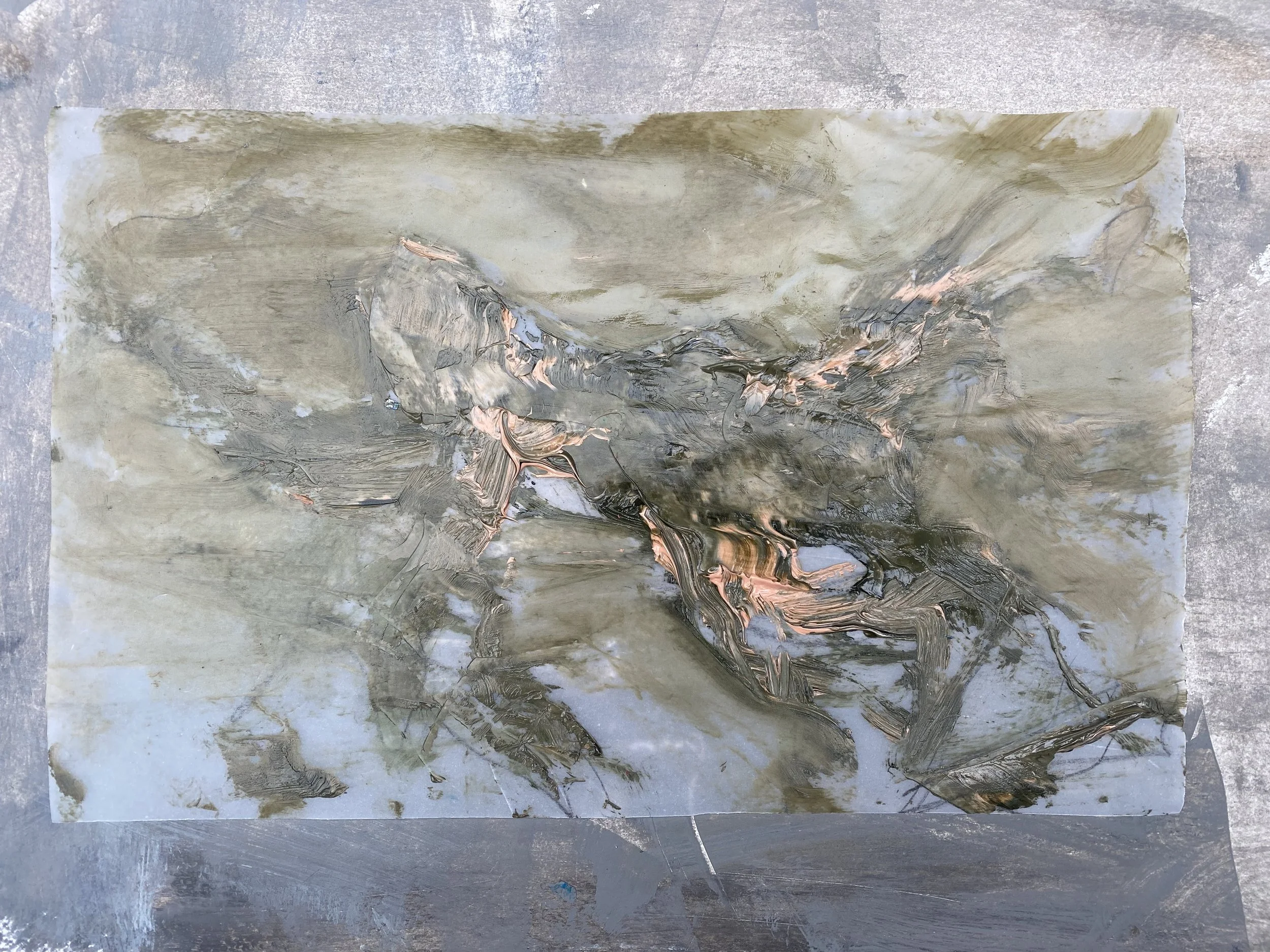
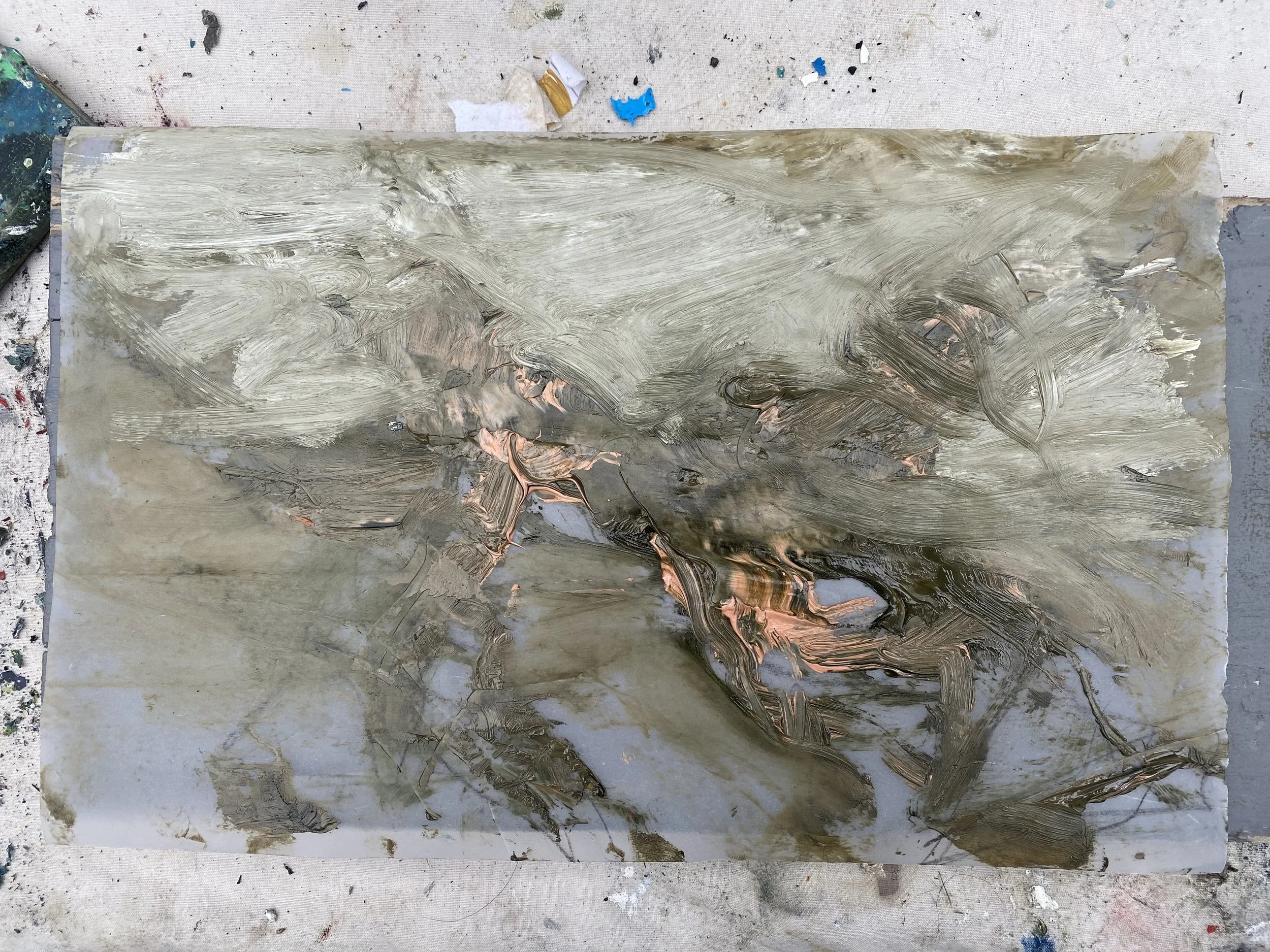
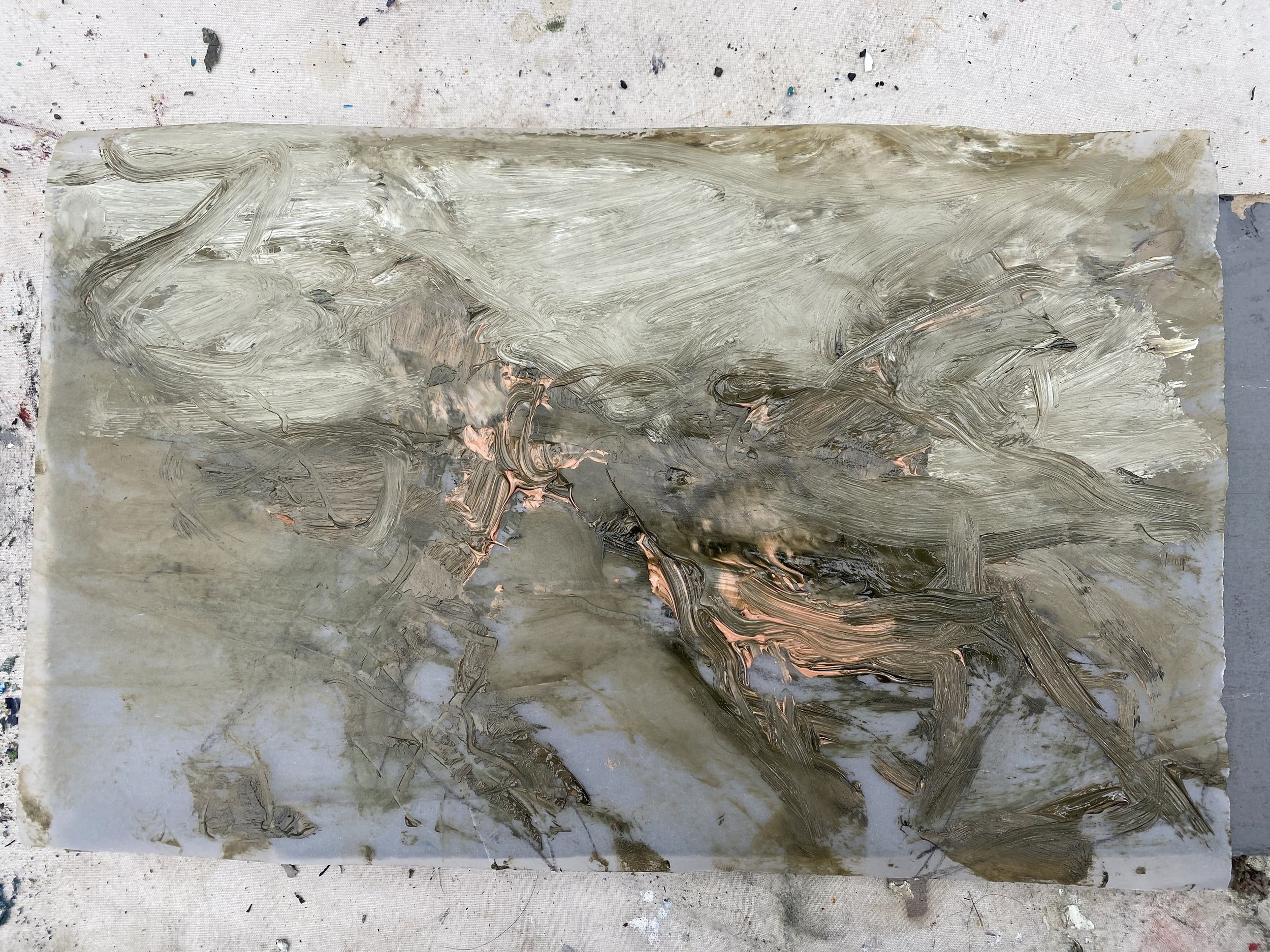
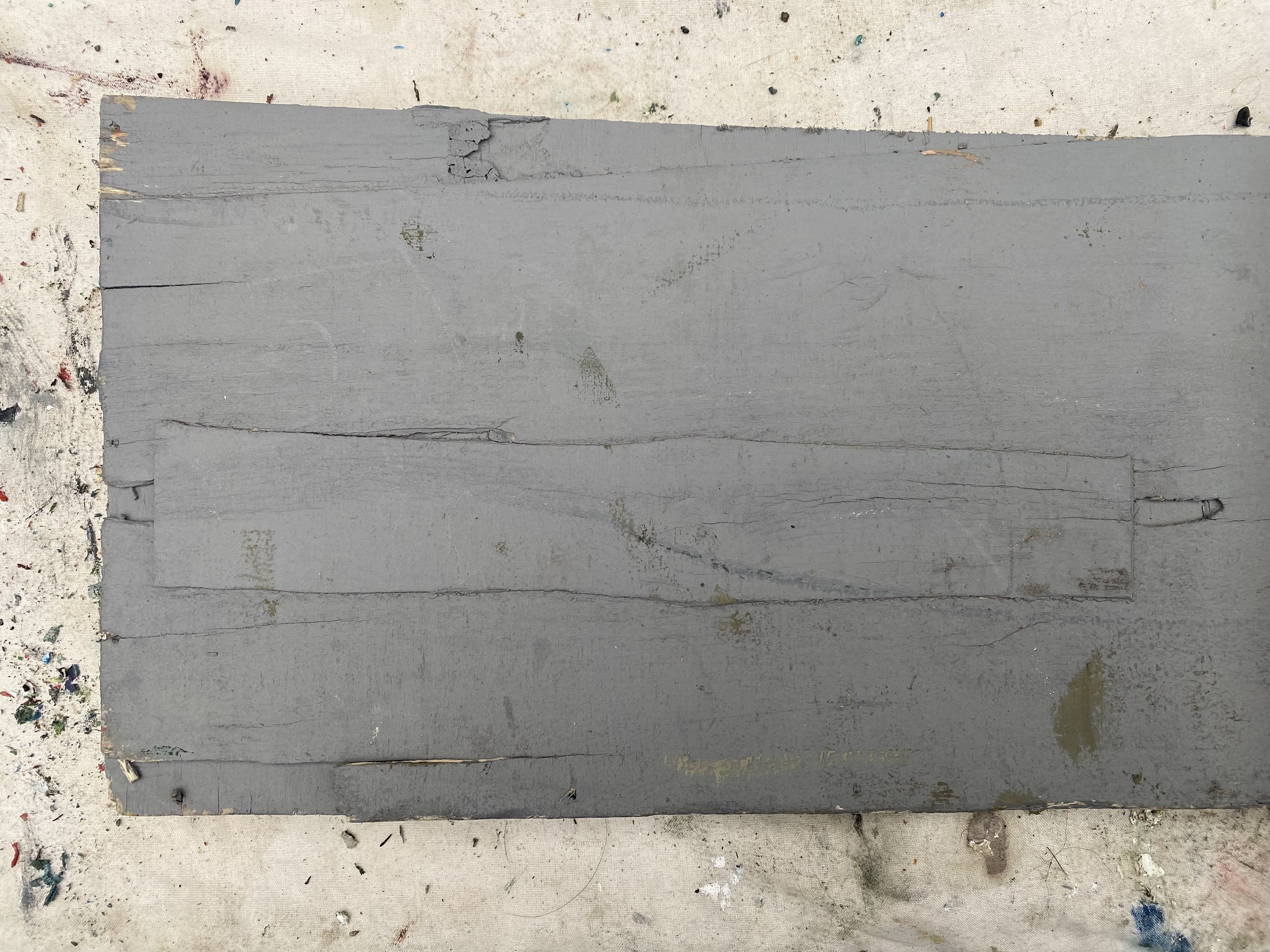
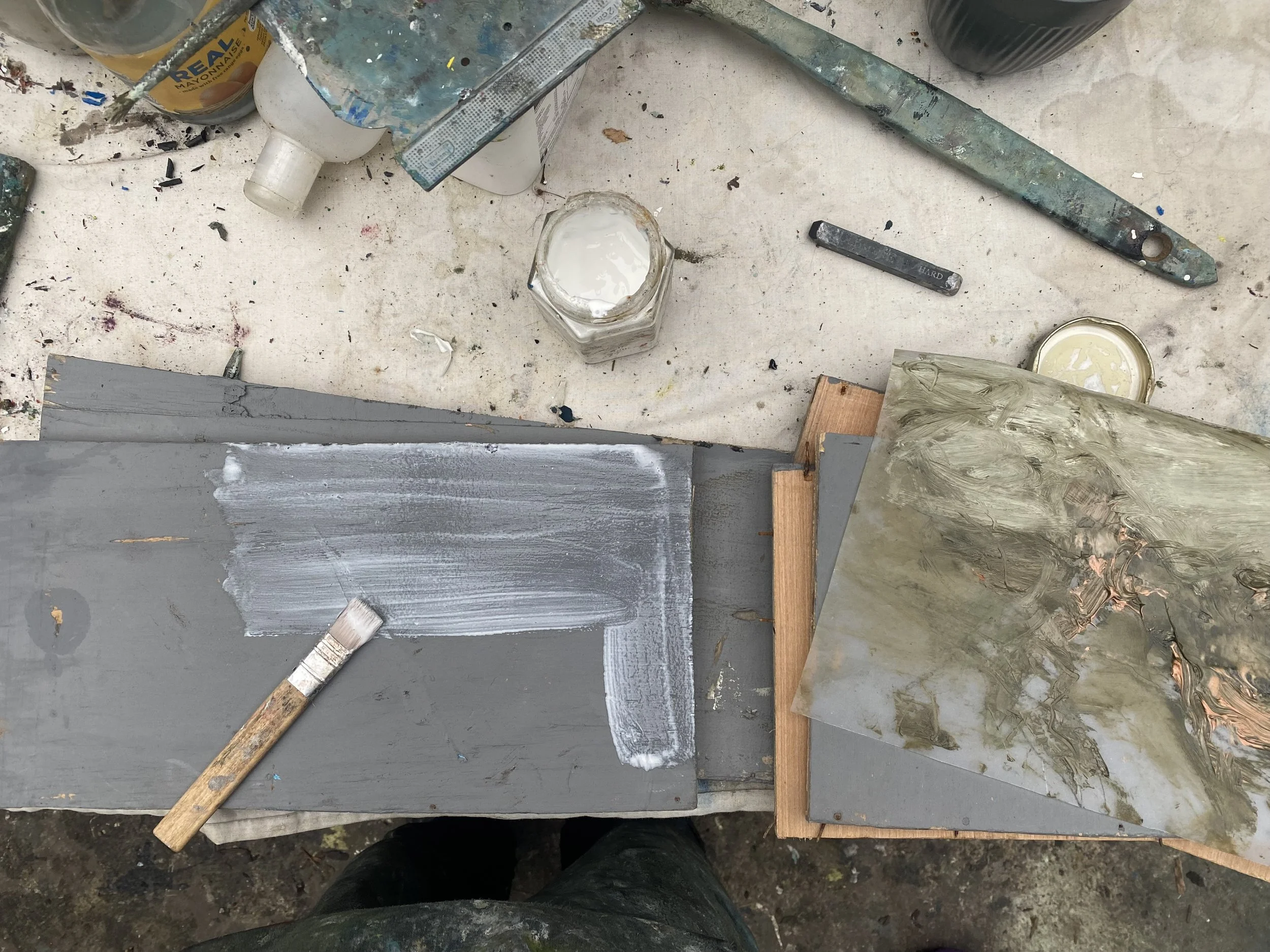
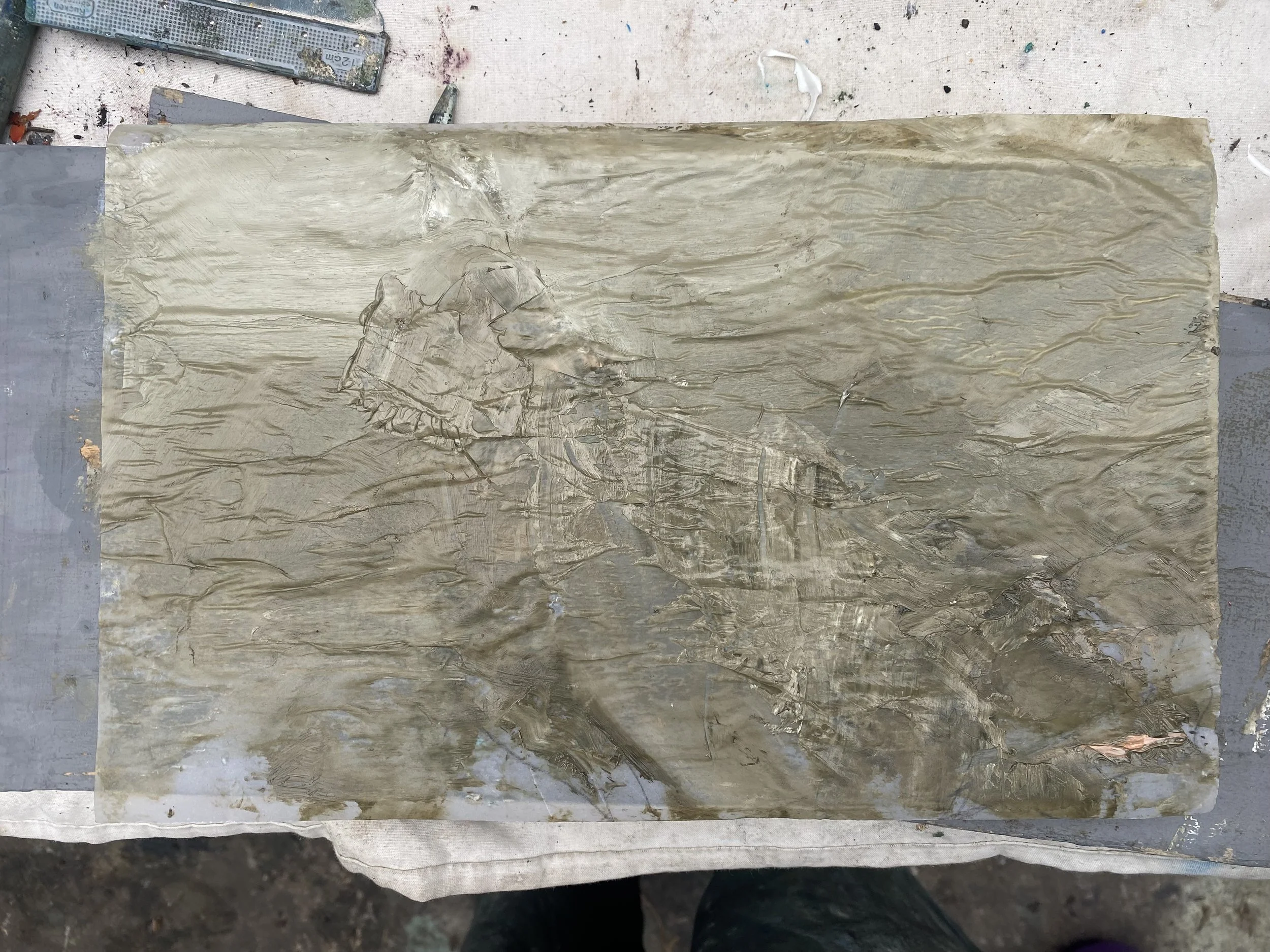
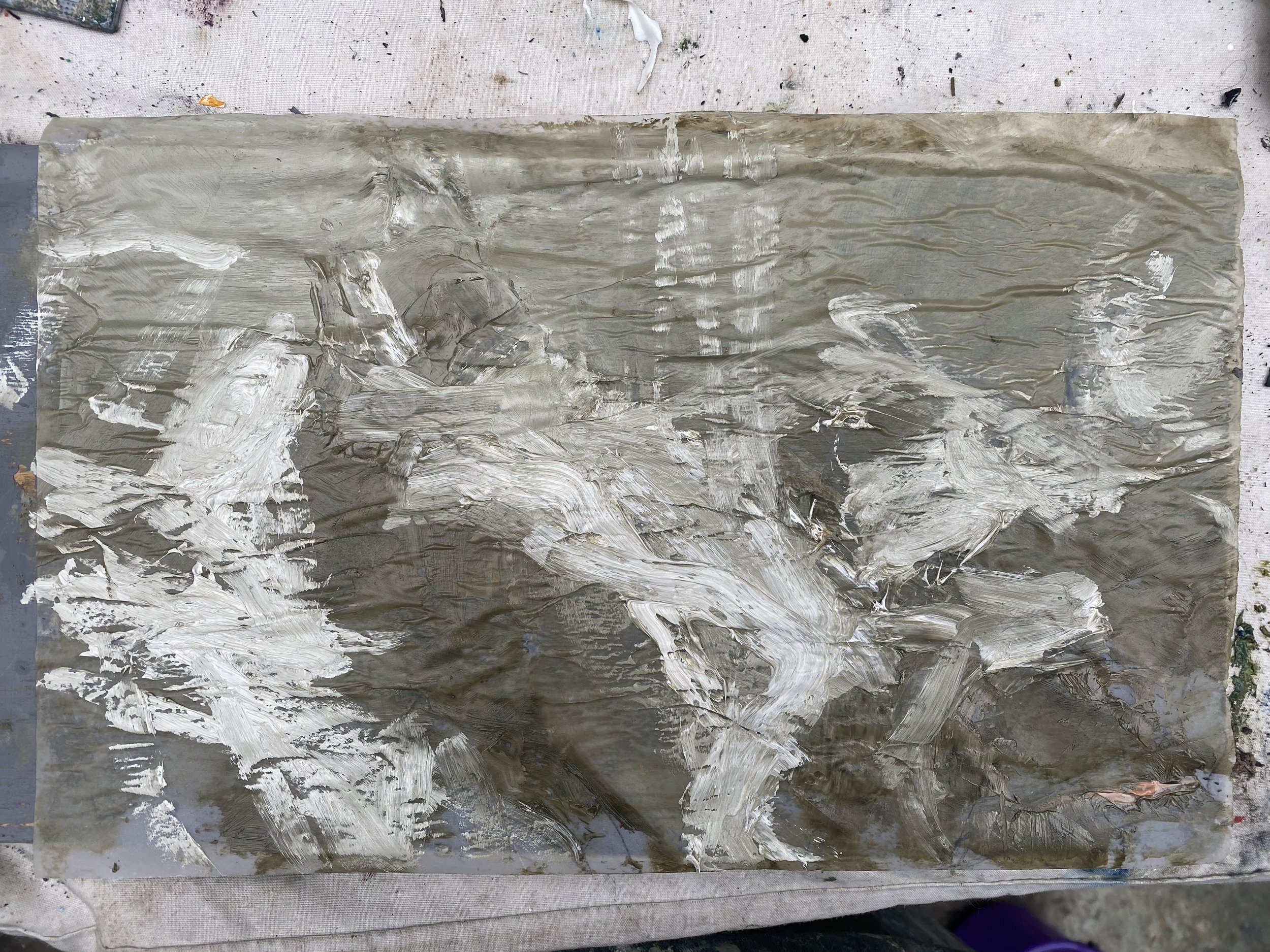
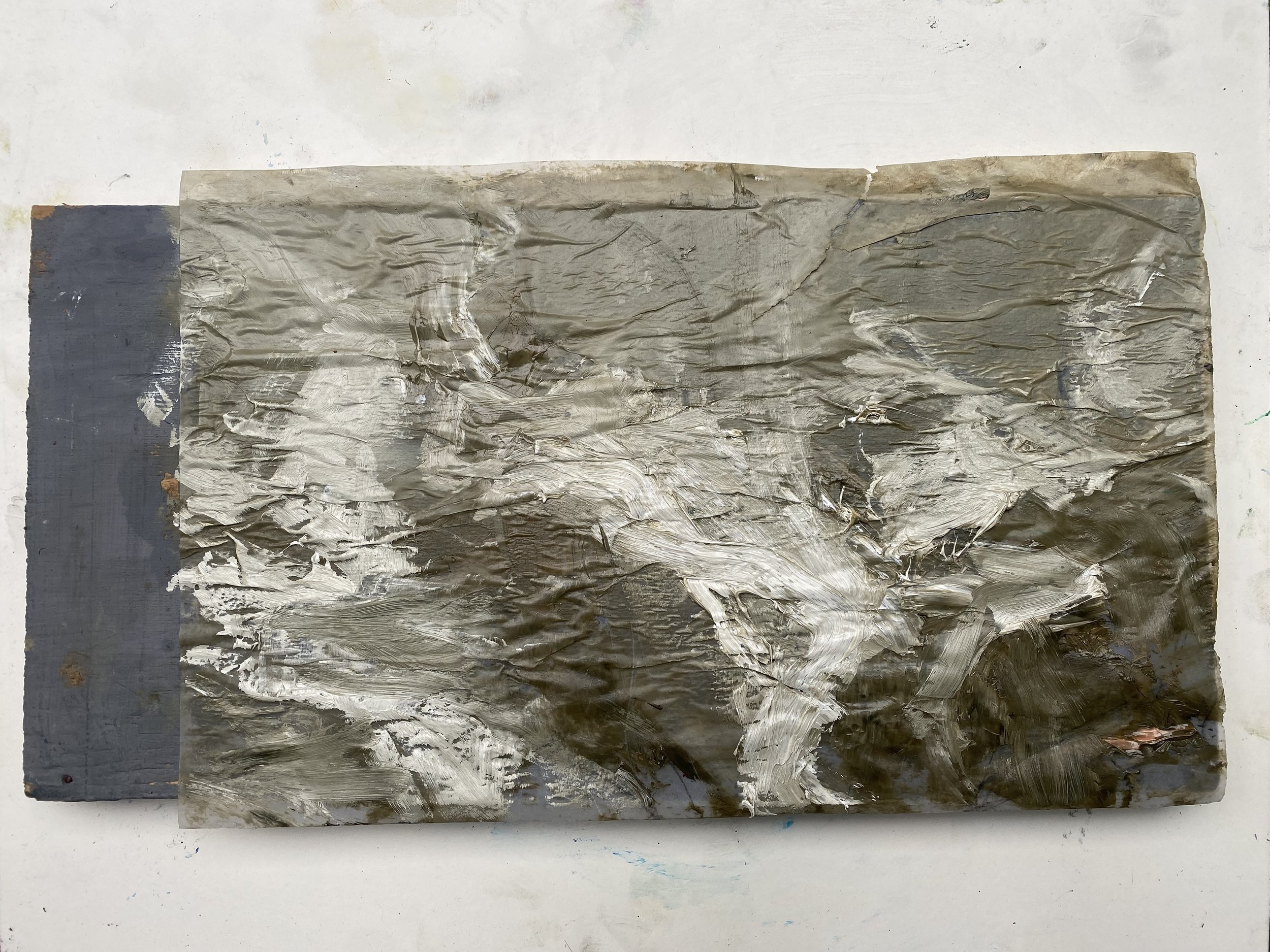
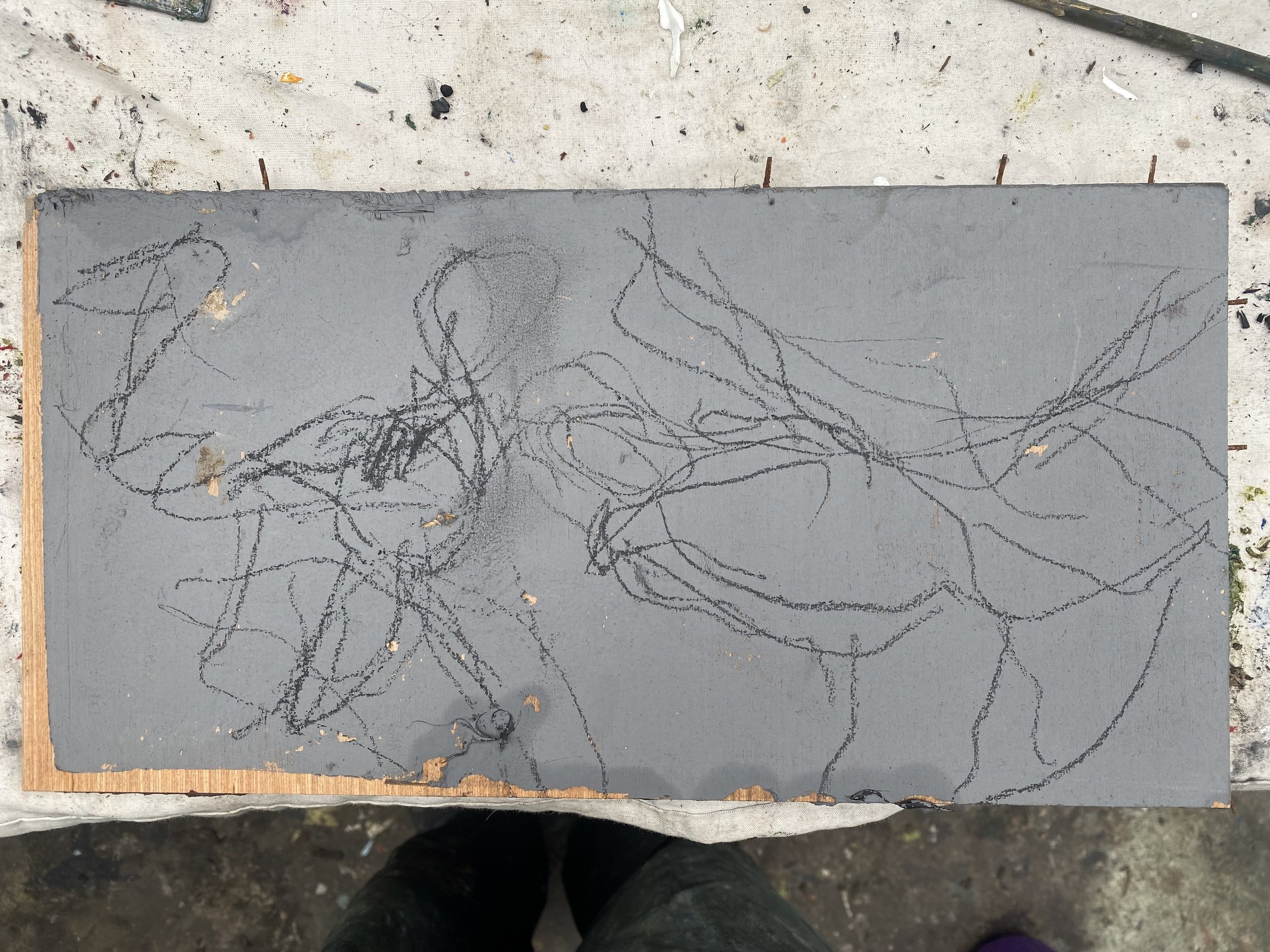
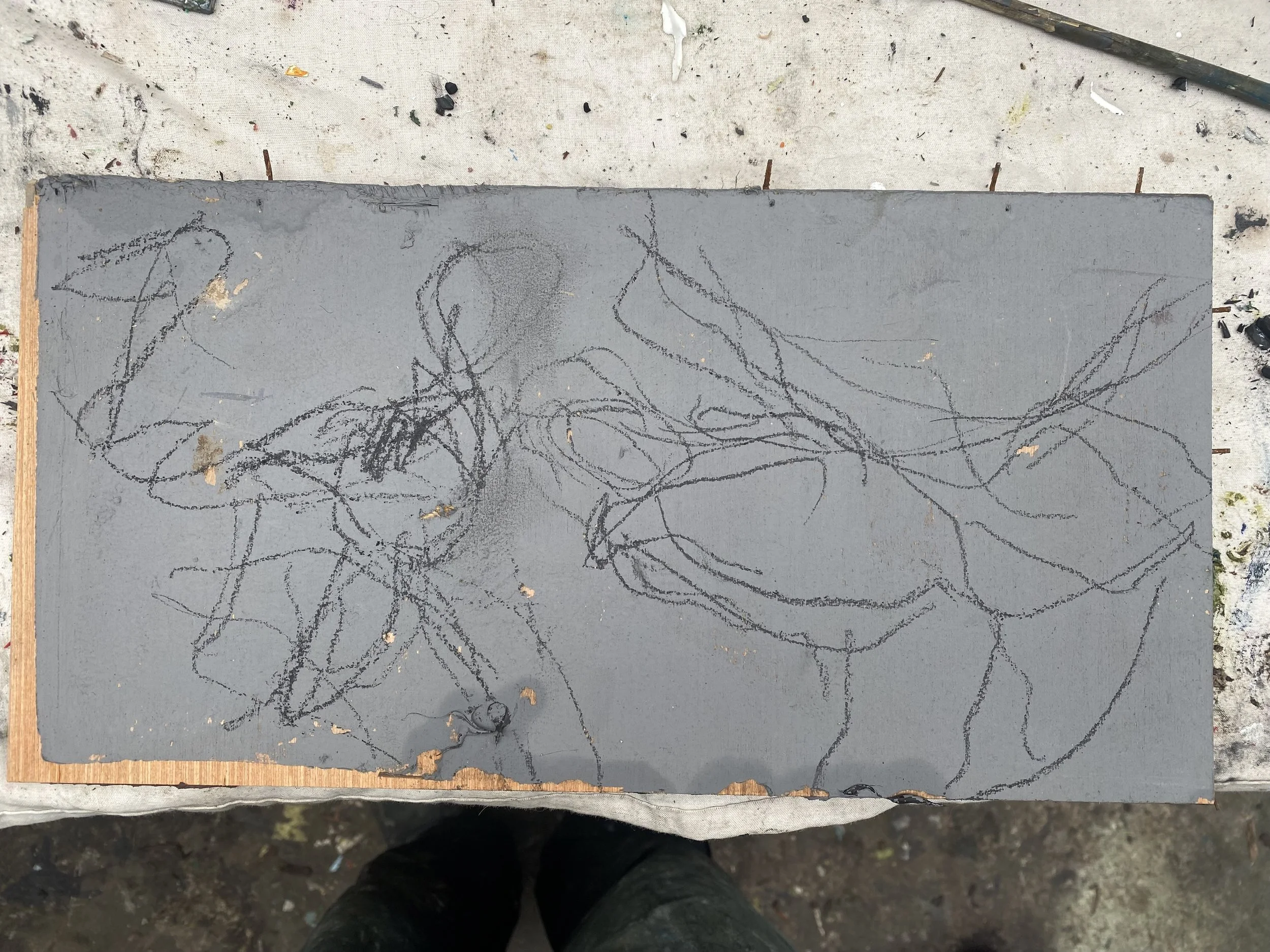
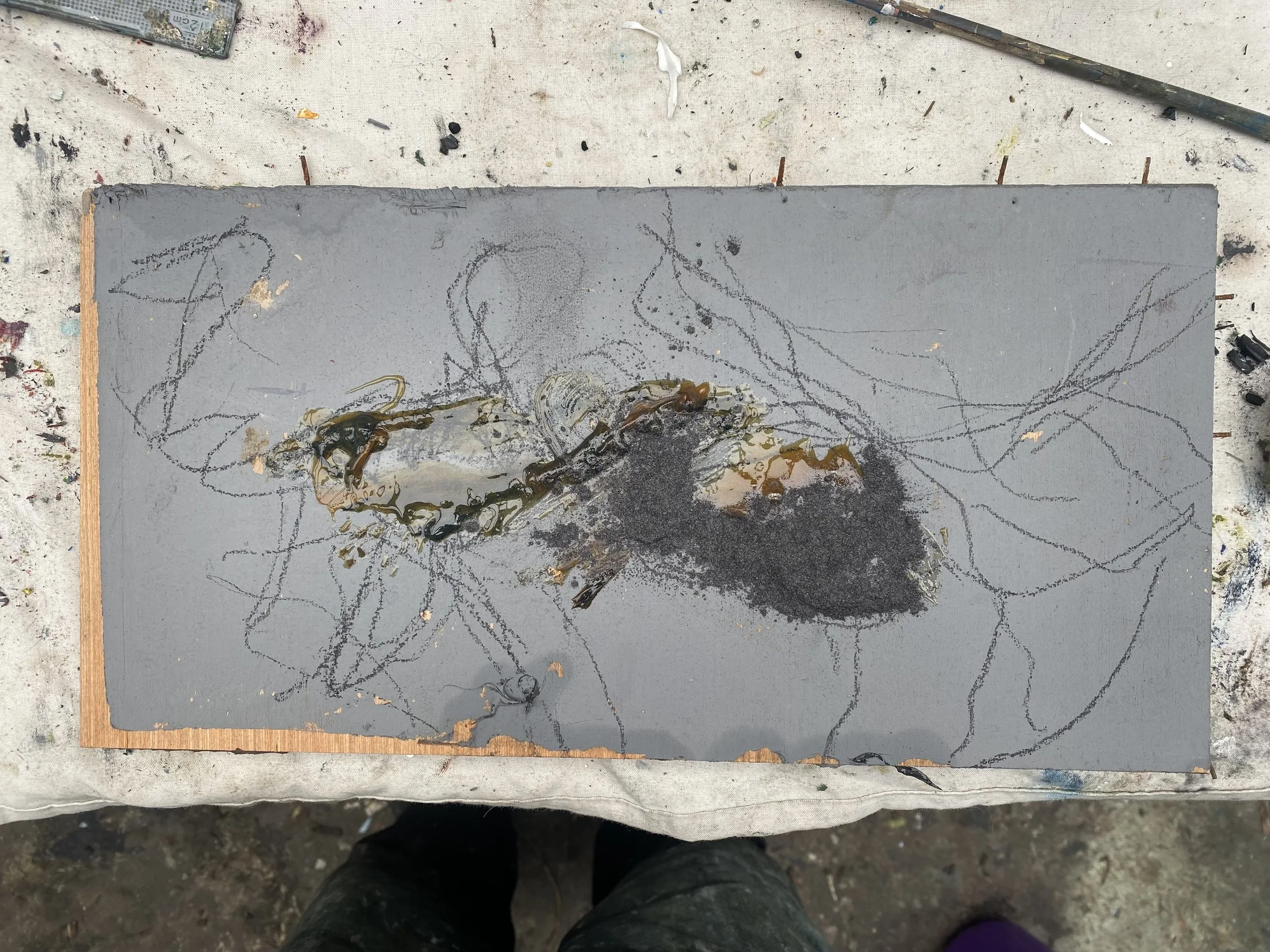
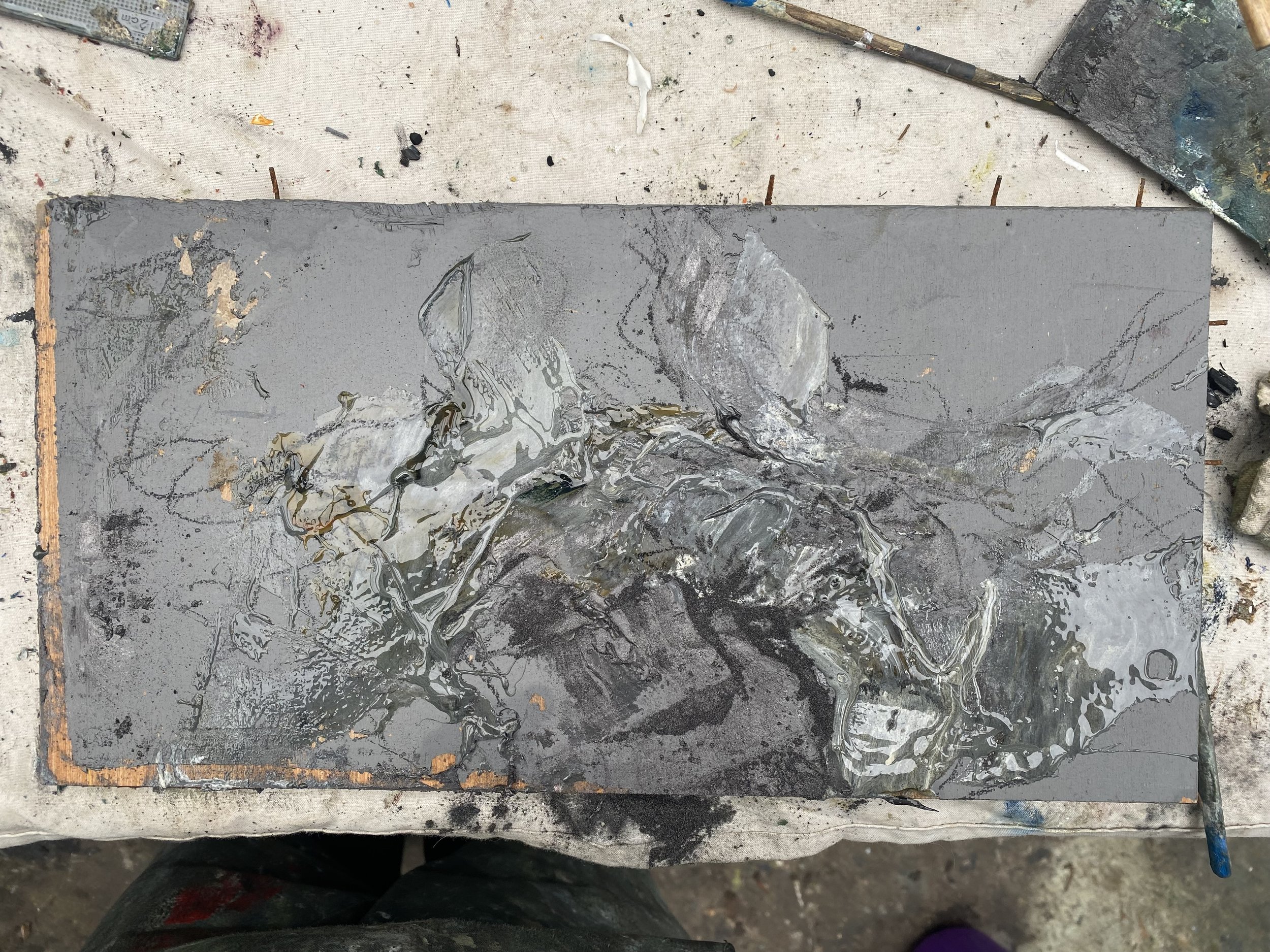
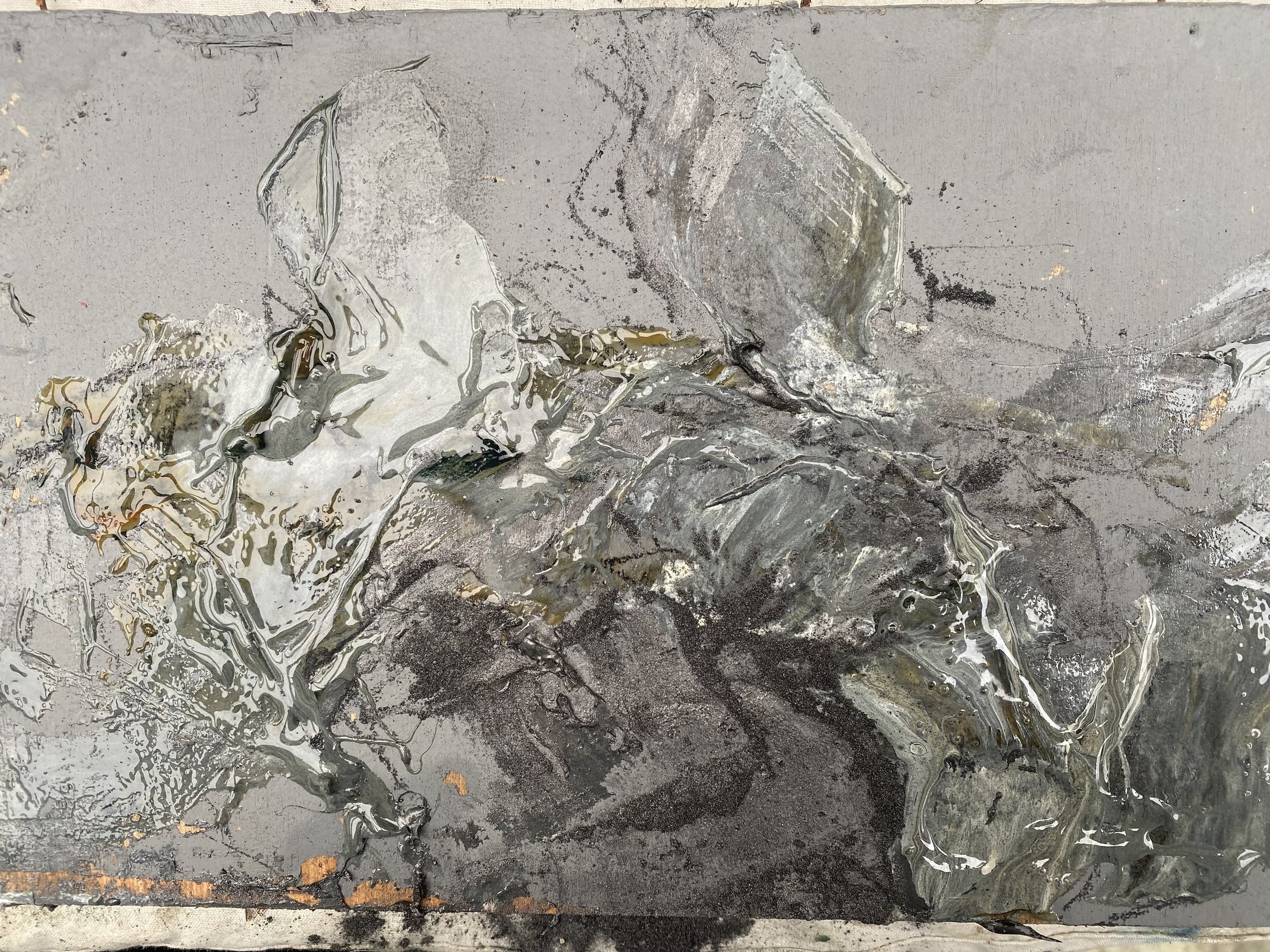
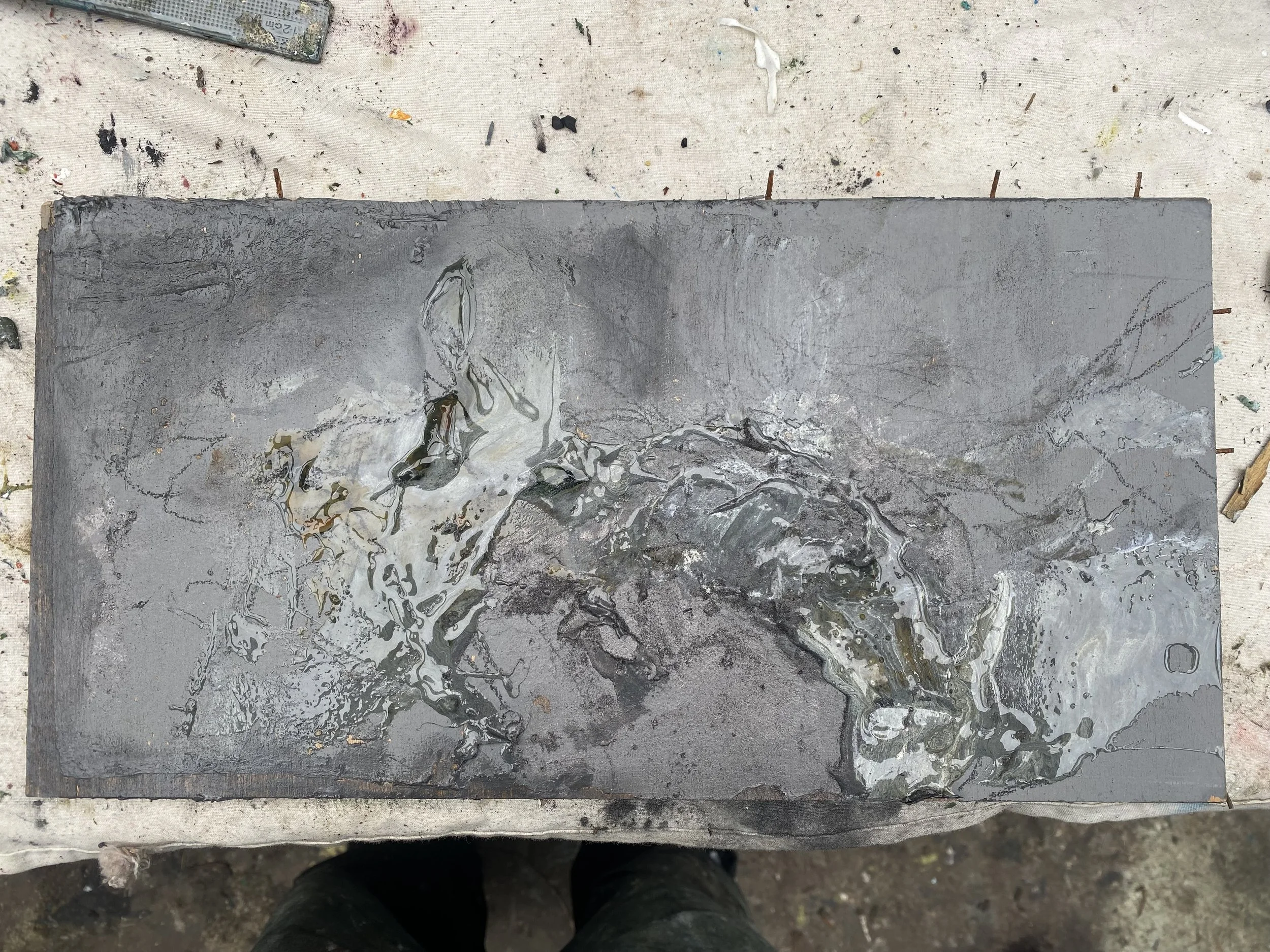
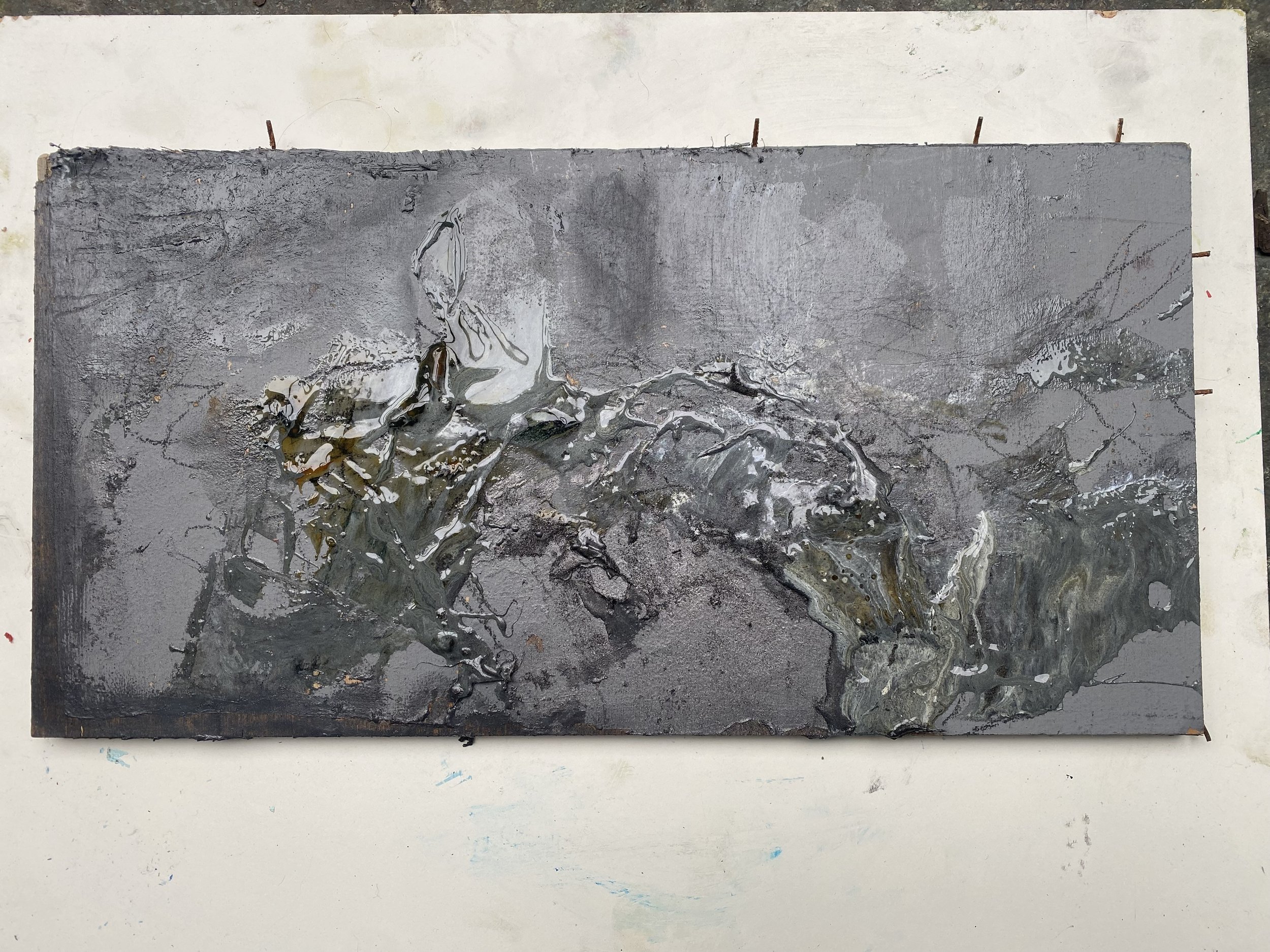
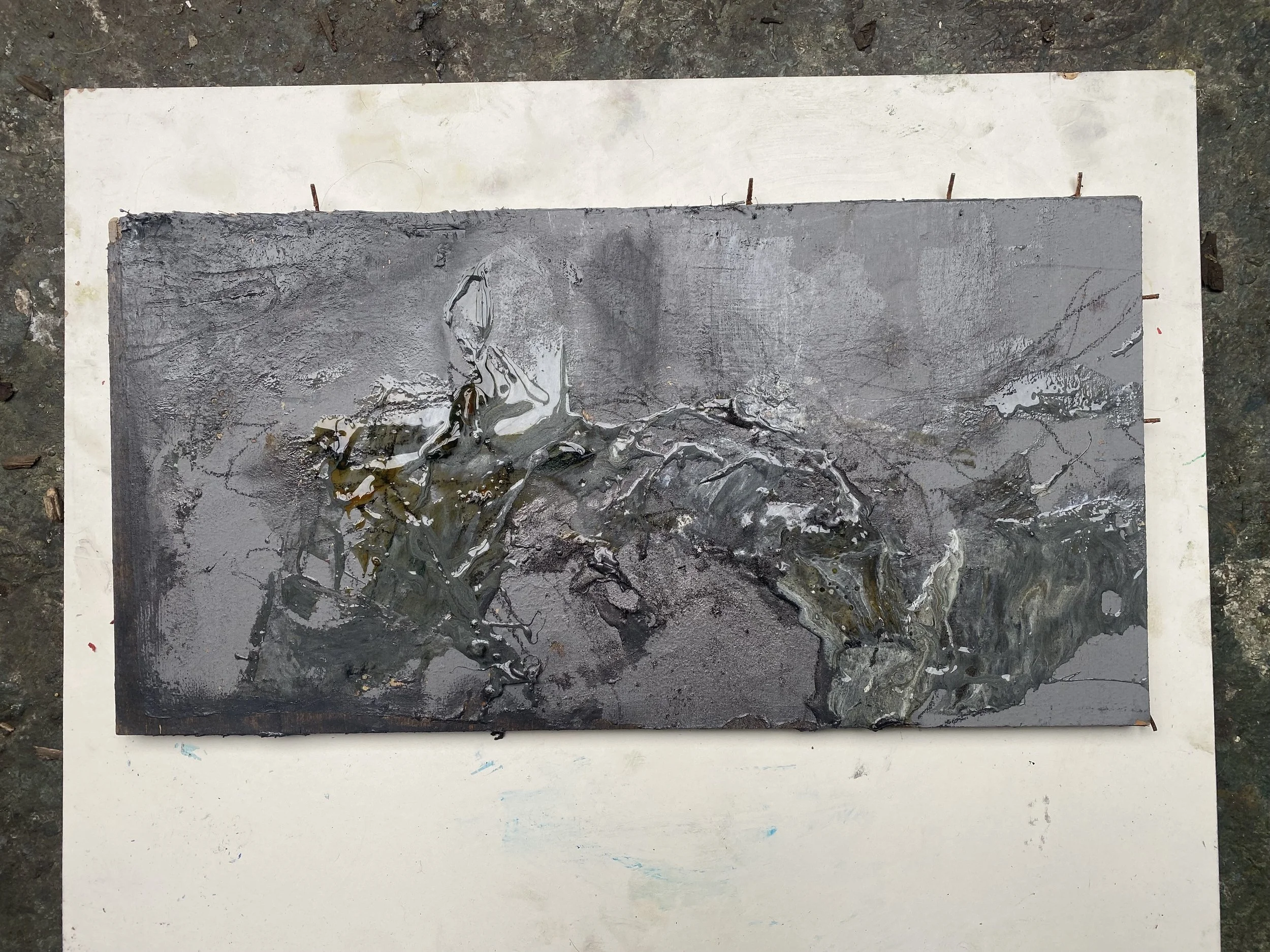
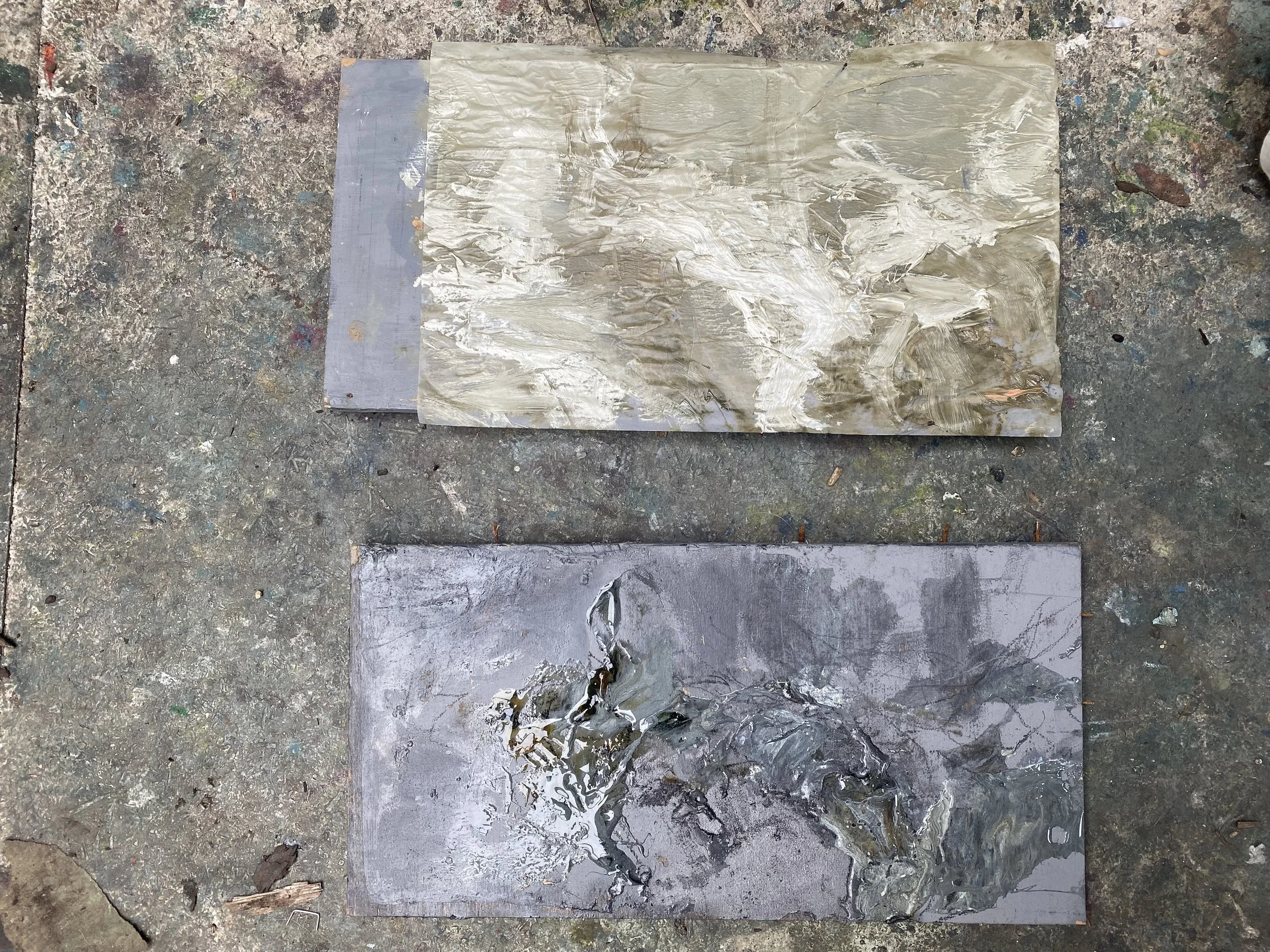
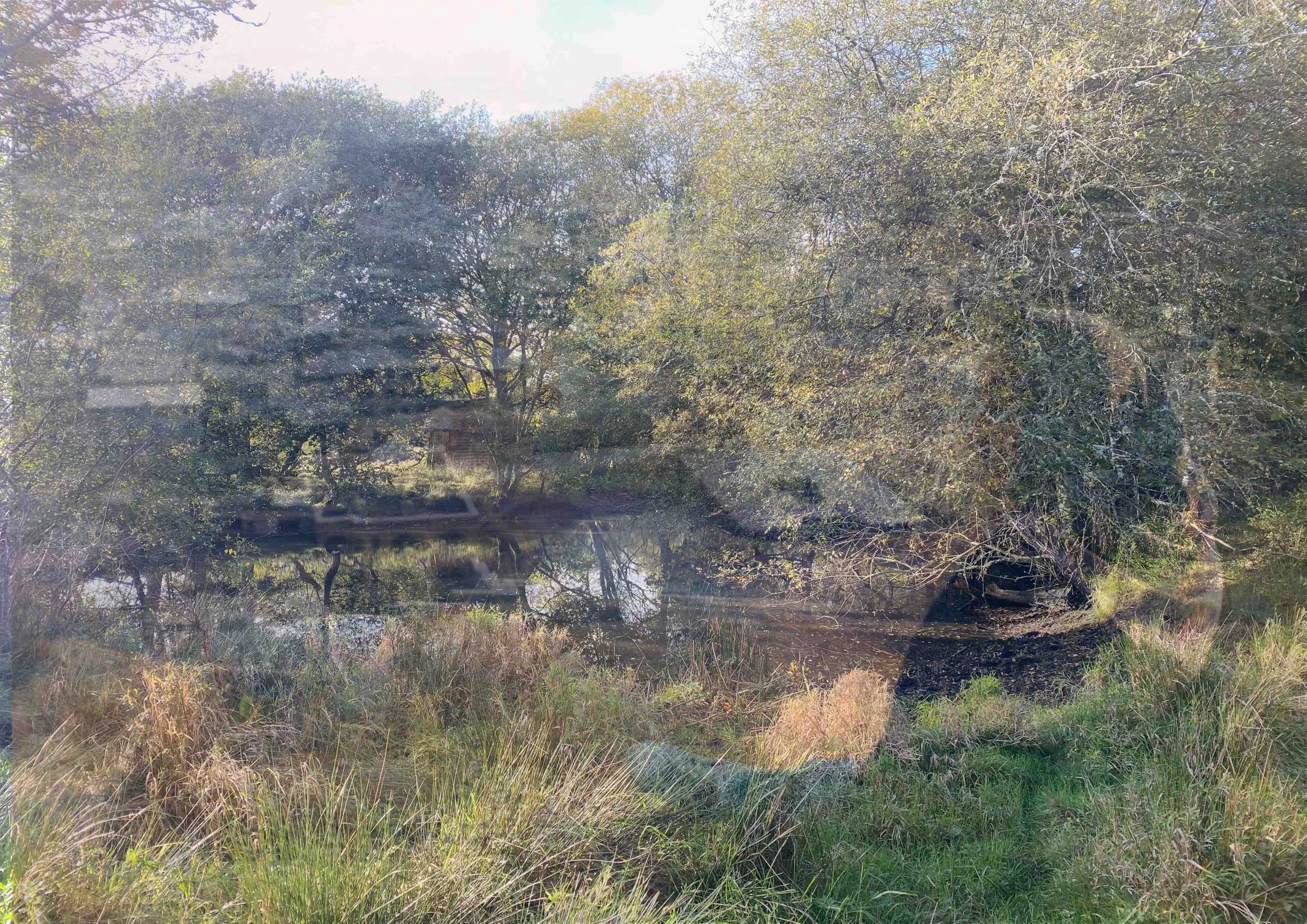
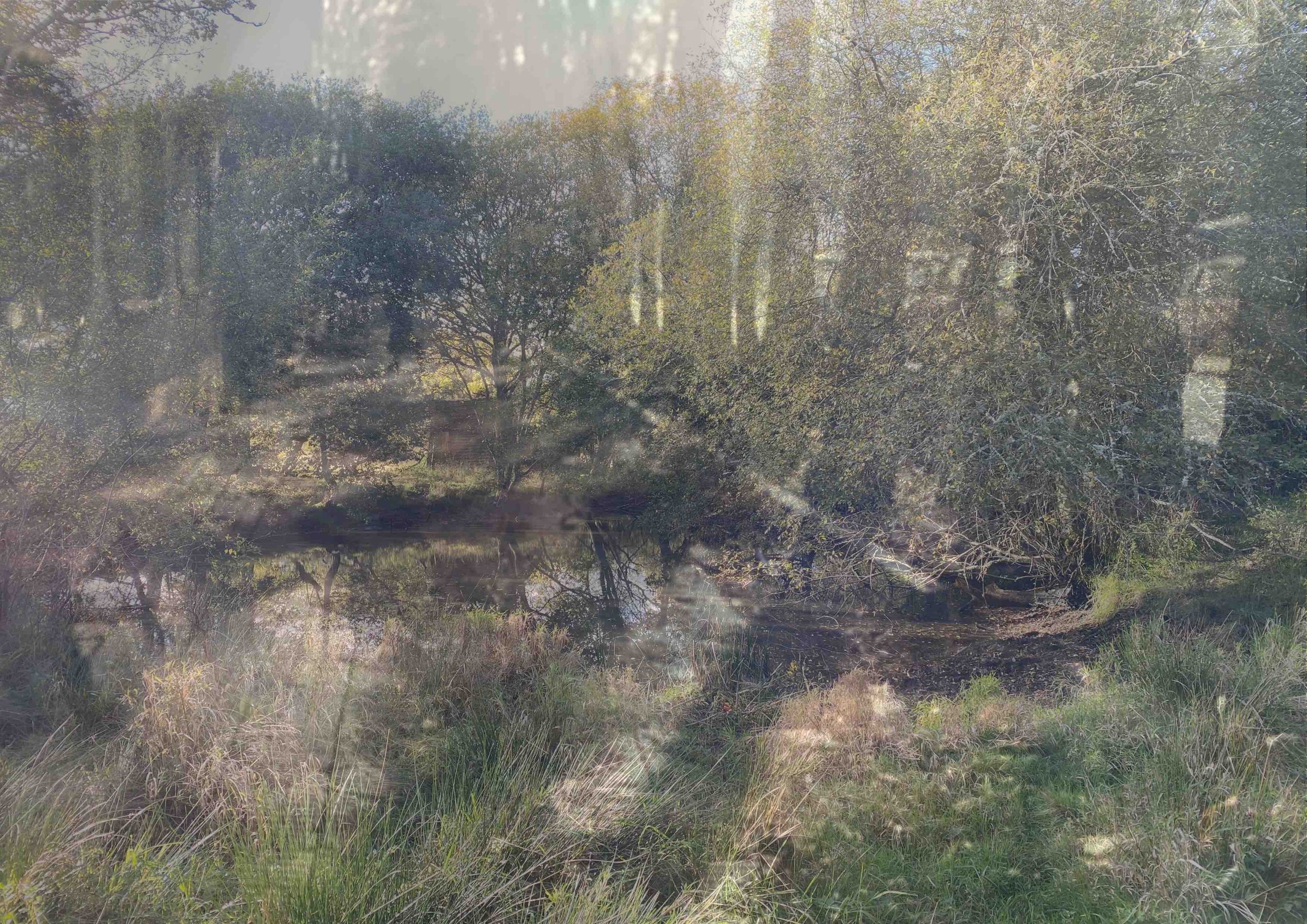
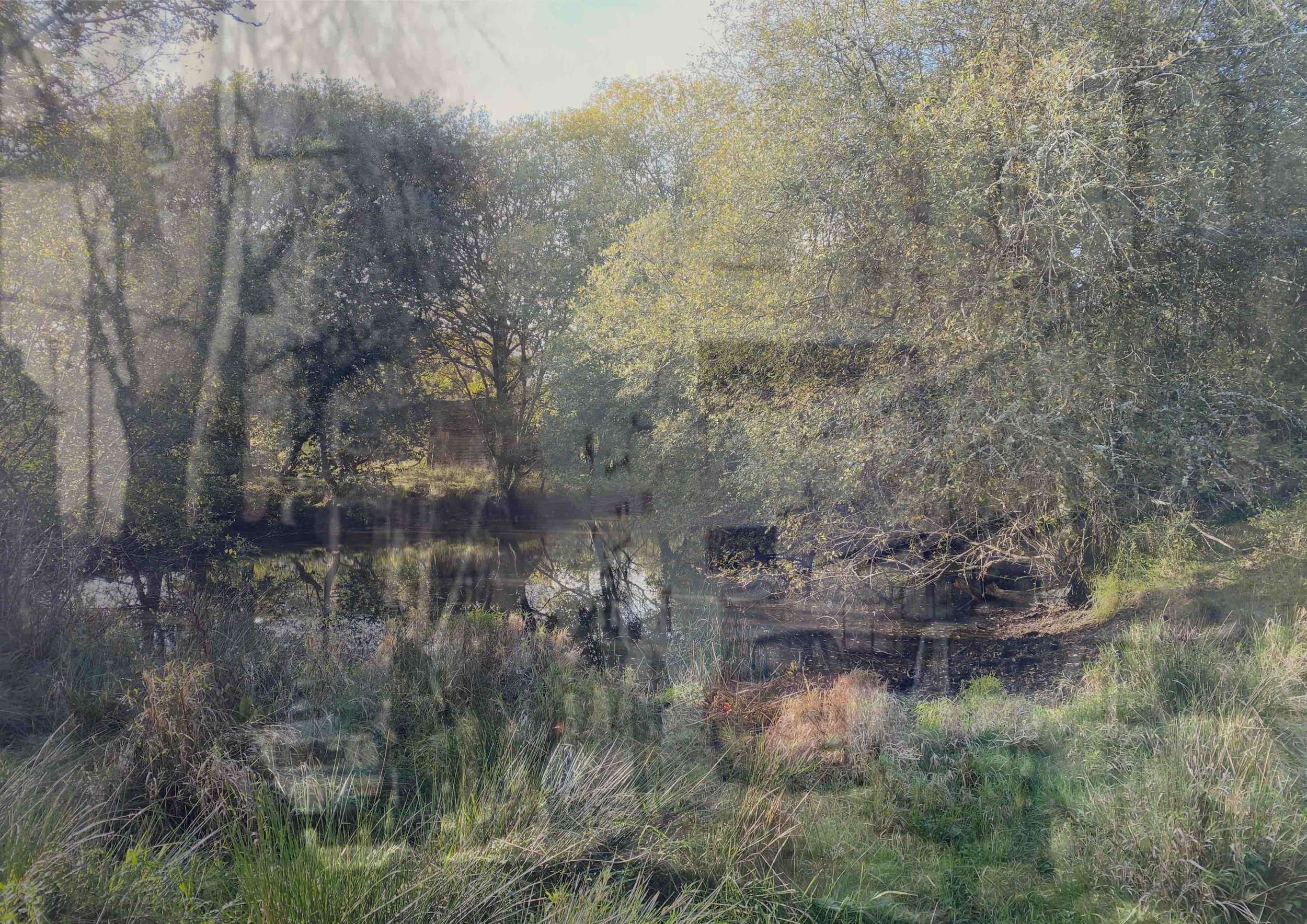
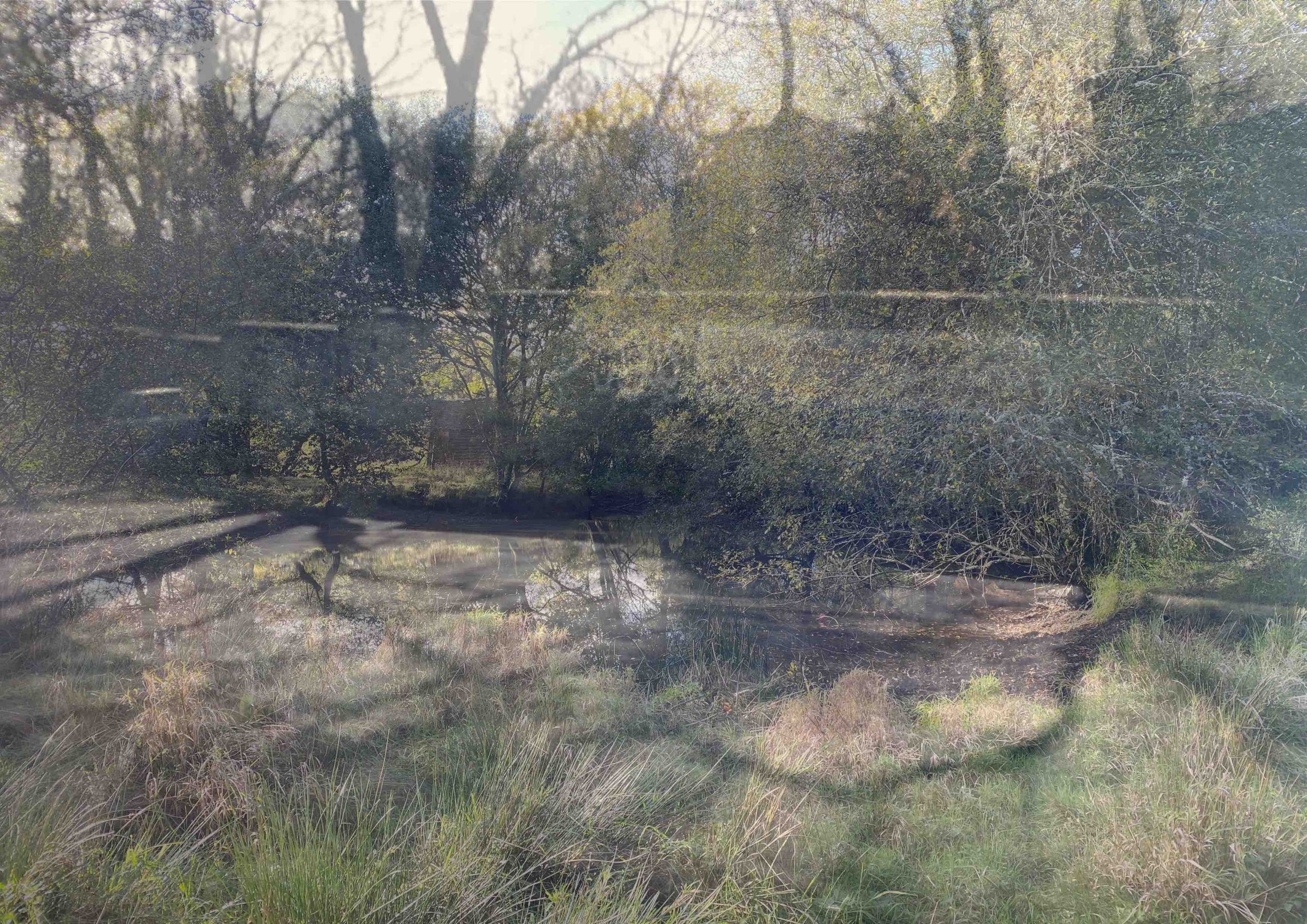
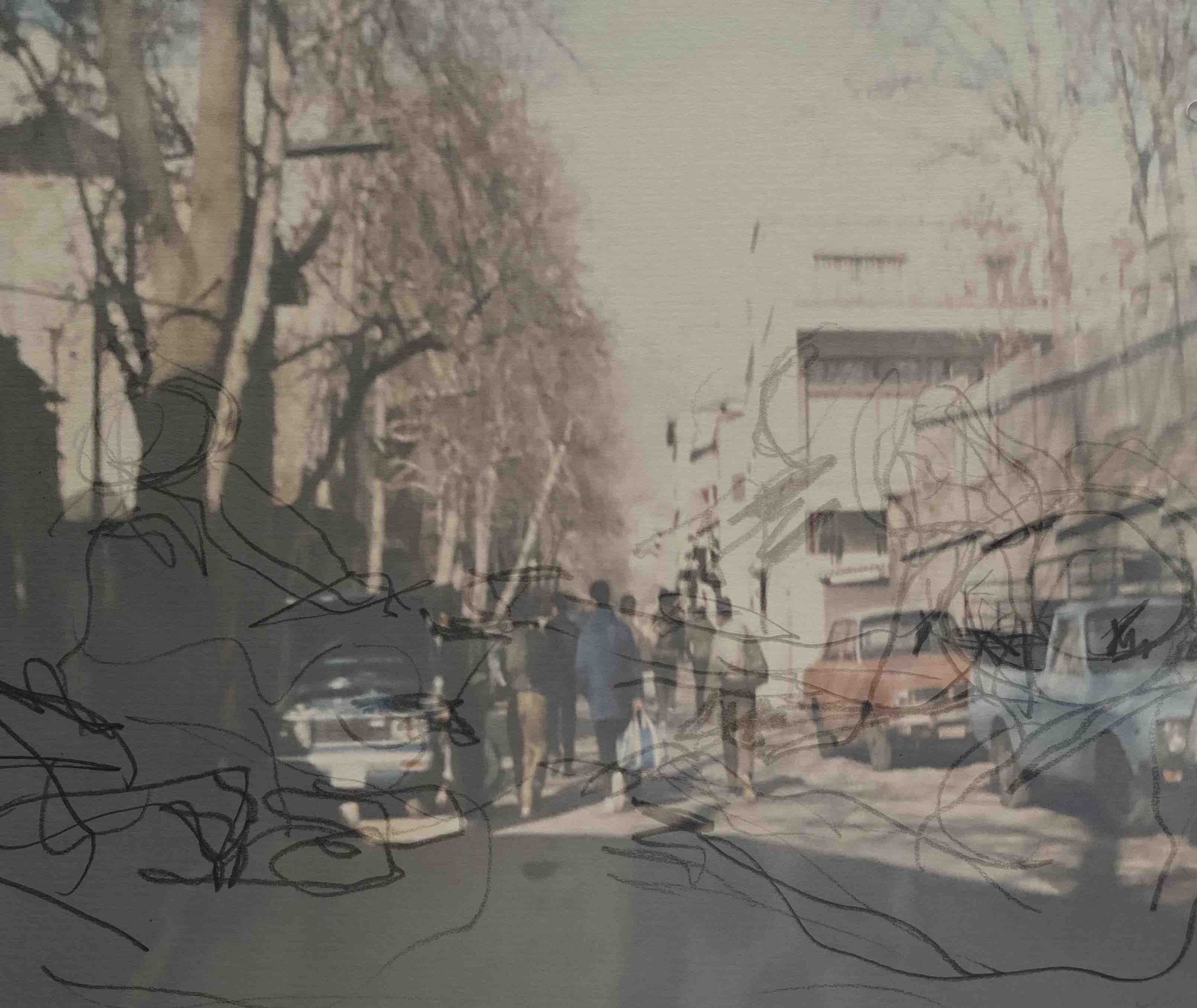
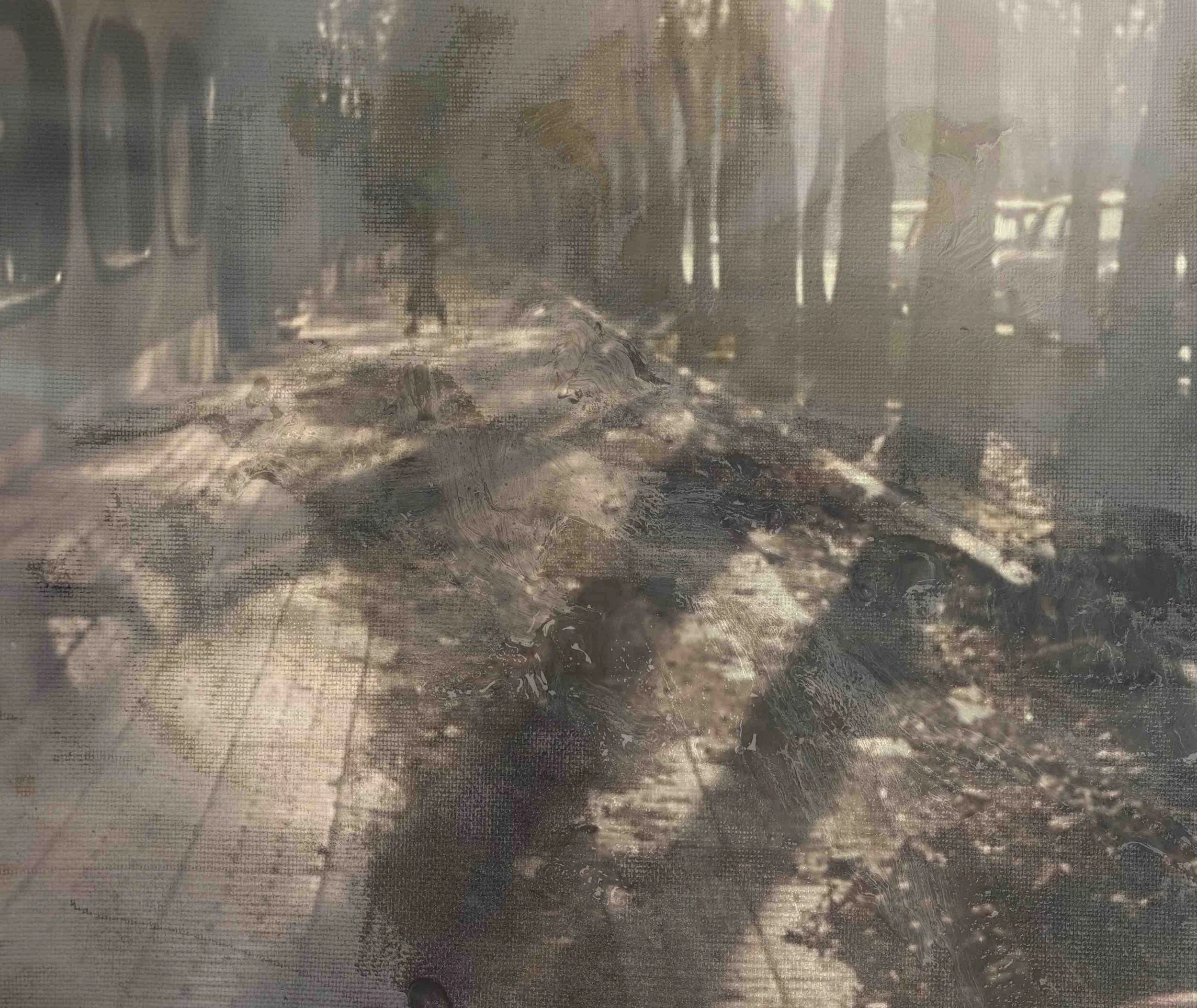
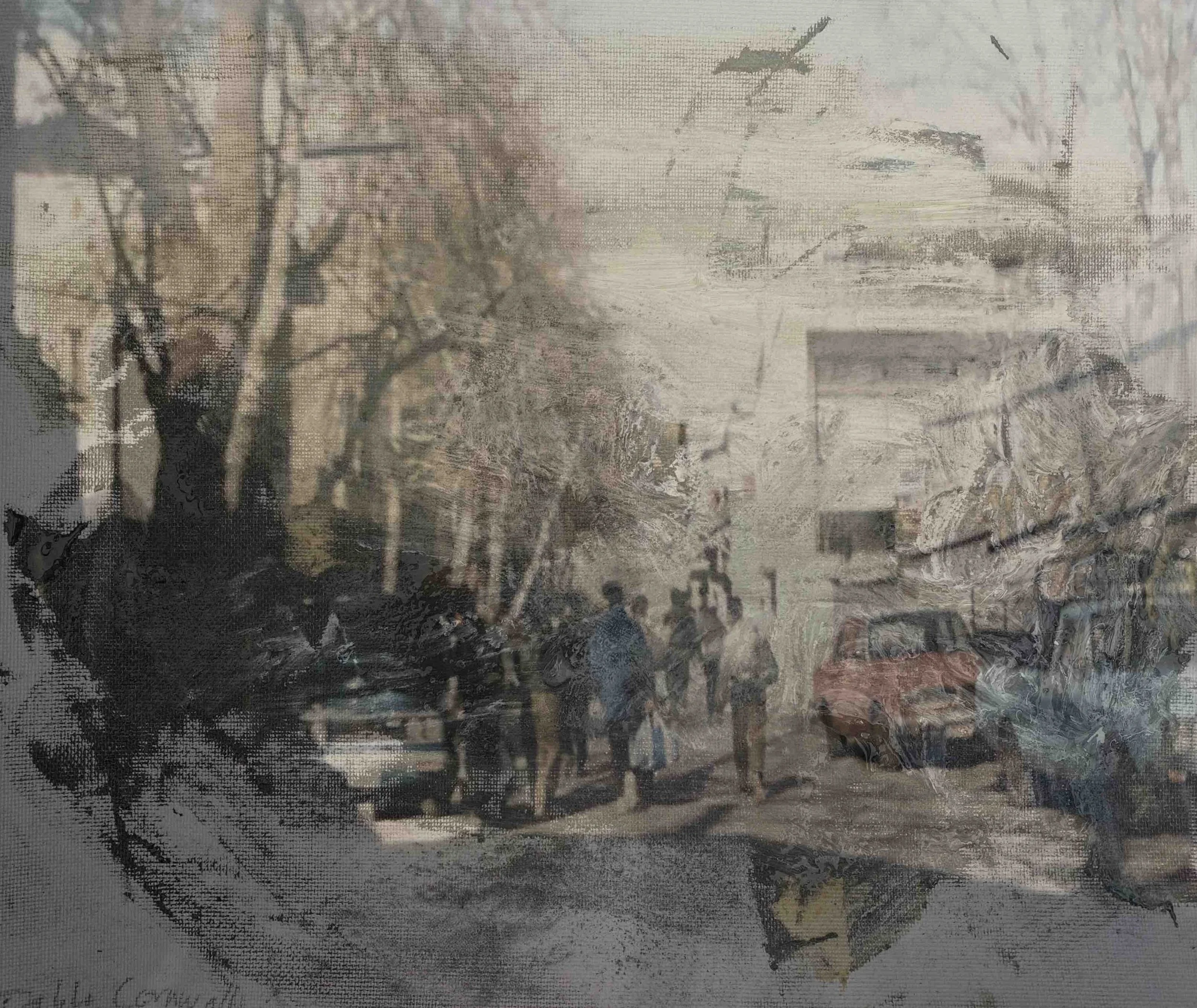
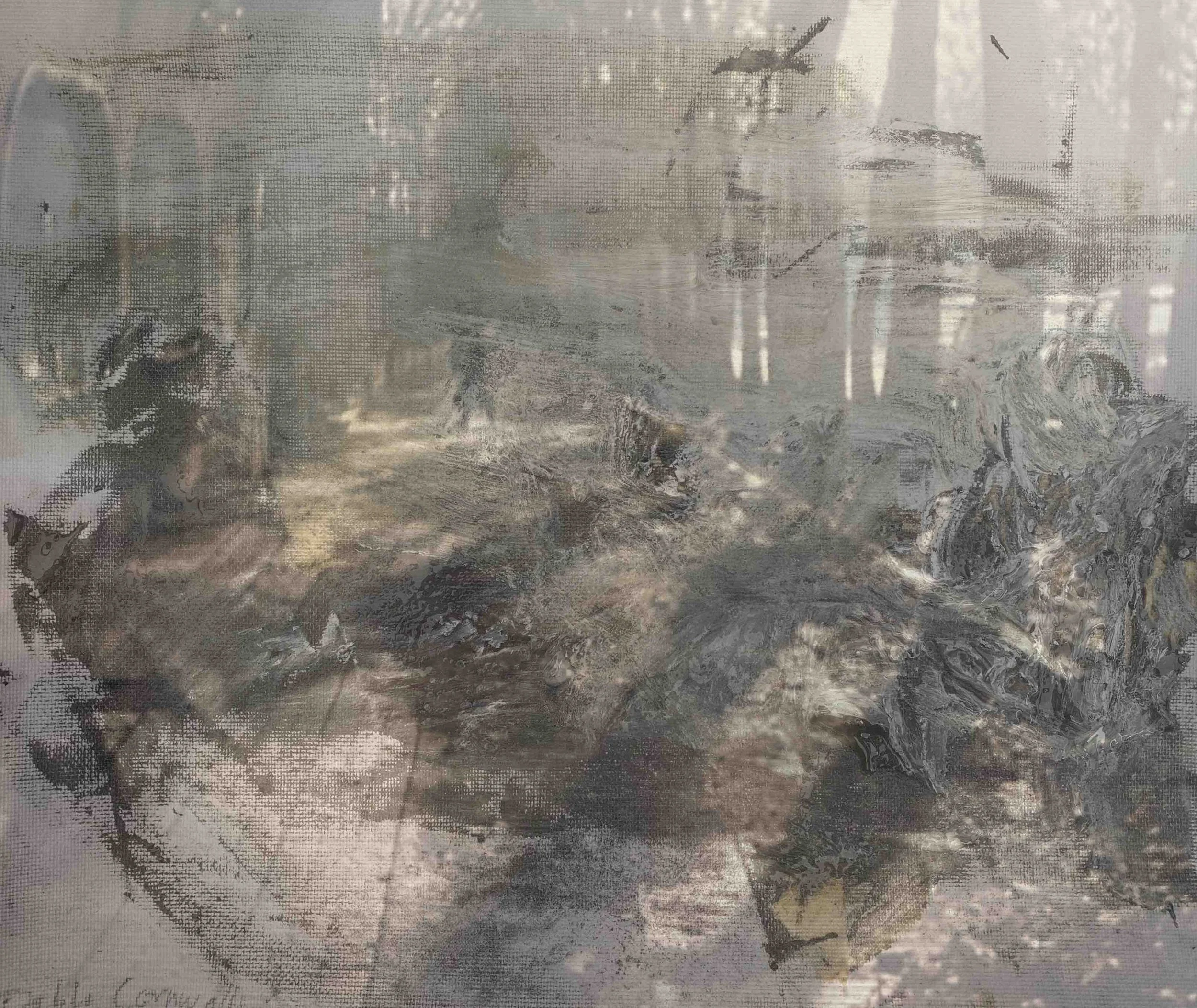
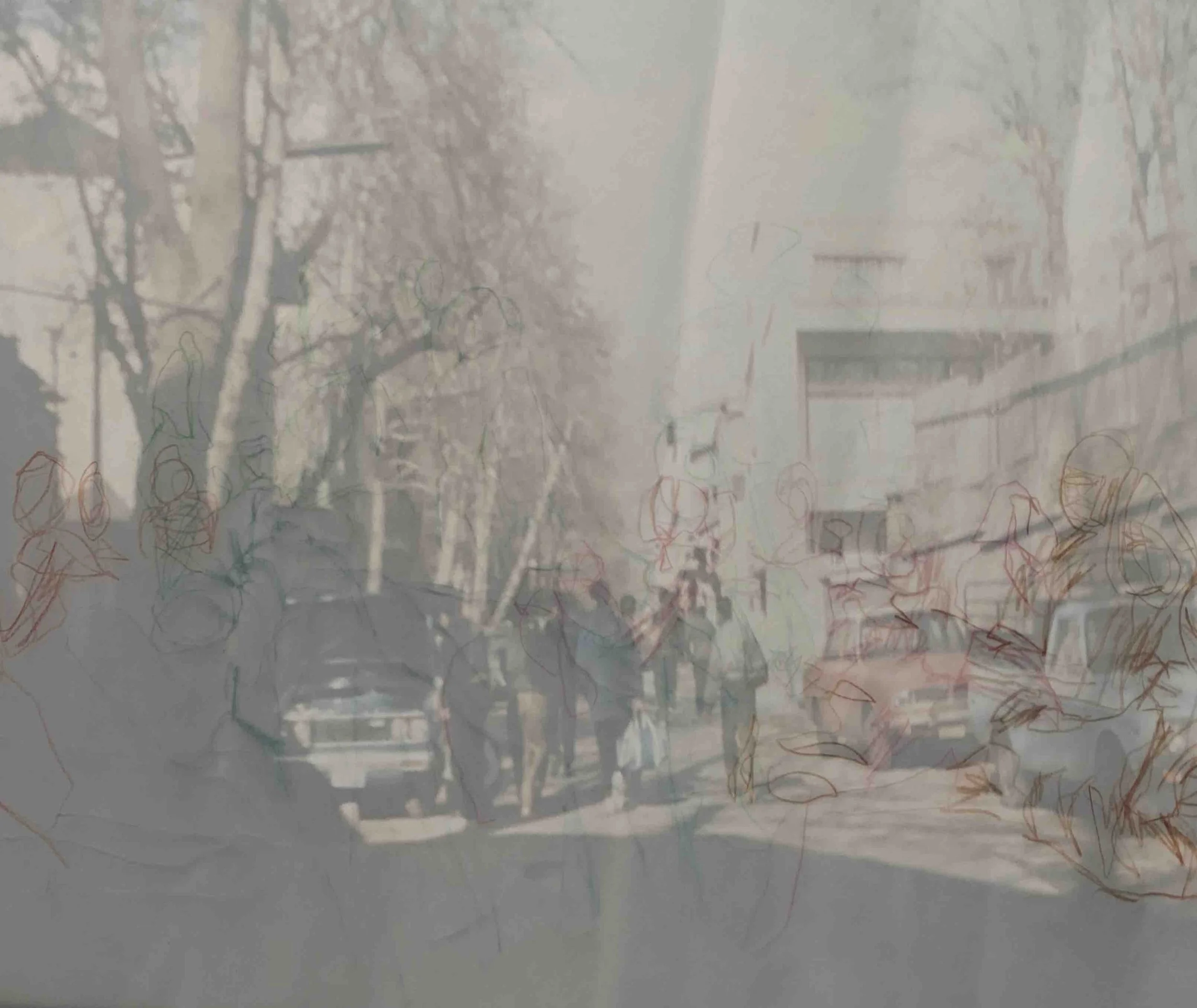
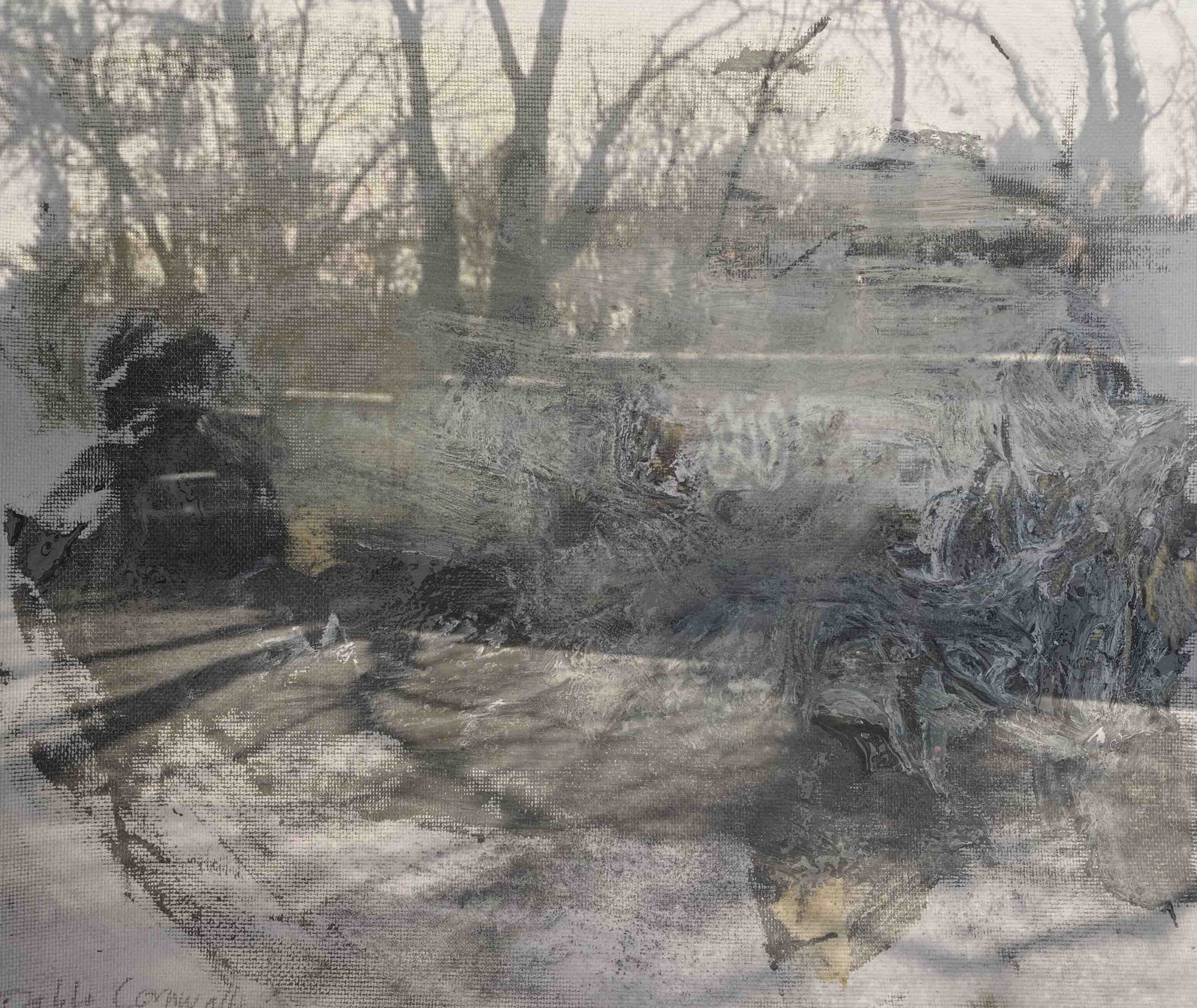
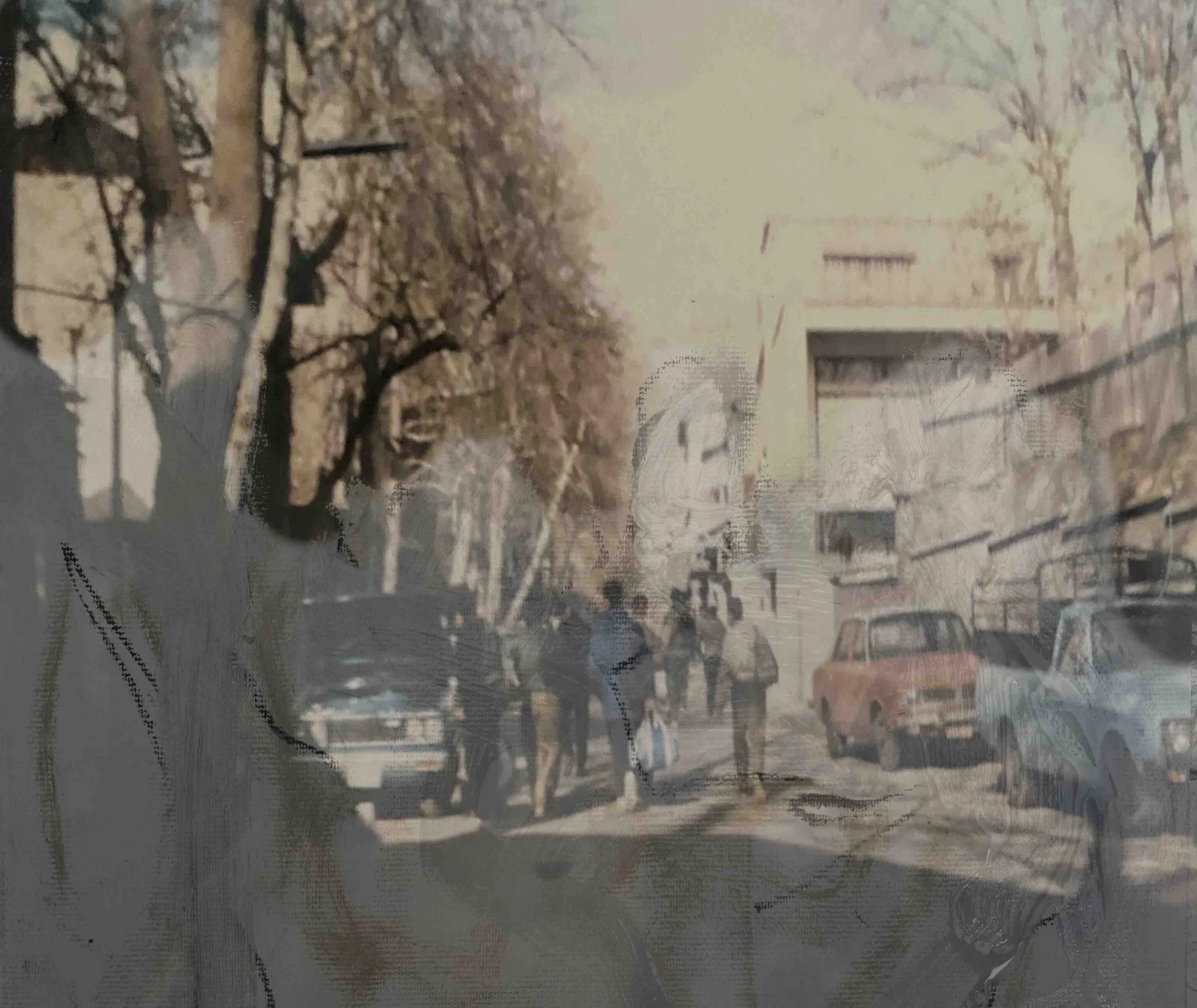
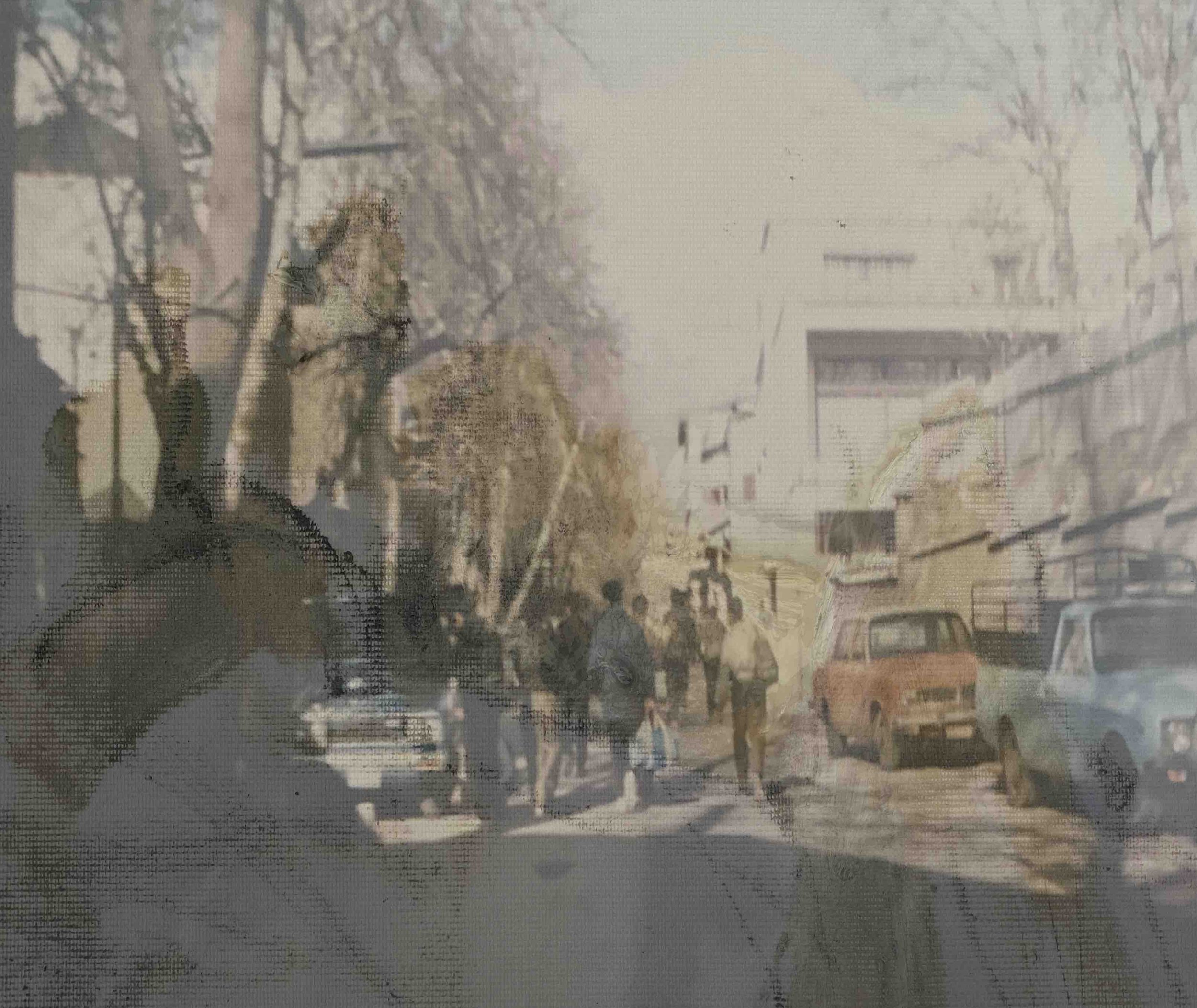
I then decide that I needed to experiment with overlaying images. I used various combinations of work that I had created of the cove and overlaid drawings of family together. I really liked some of these. I then started thinking about art history and paintings with people versus landscape paintings and overlaid titian figures over Constable landscapes. This however felt felt as though it was going off track although it did make some interesting combinations. I then decided to overlay drawings of Tehran over the landscape. This drawing was made from an old postcard from the days when we used to visit.
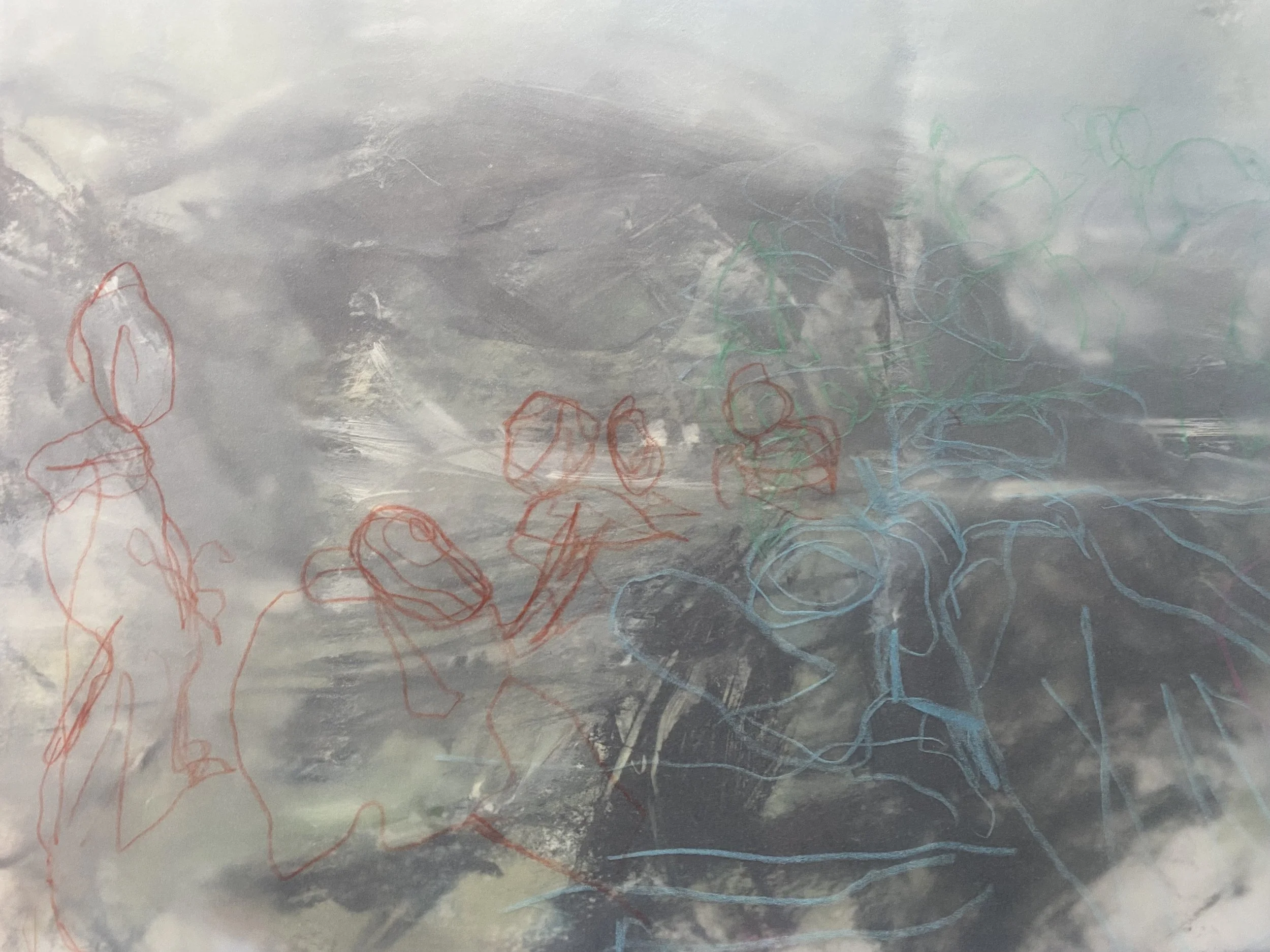
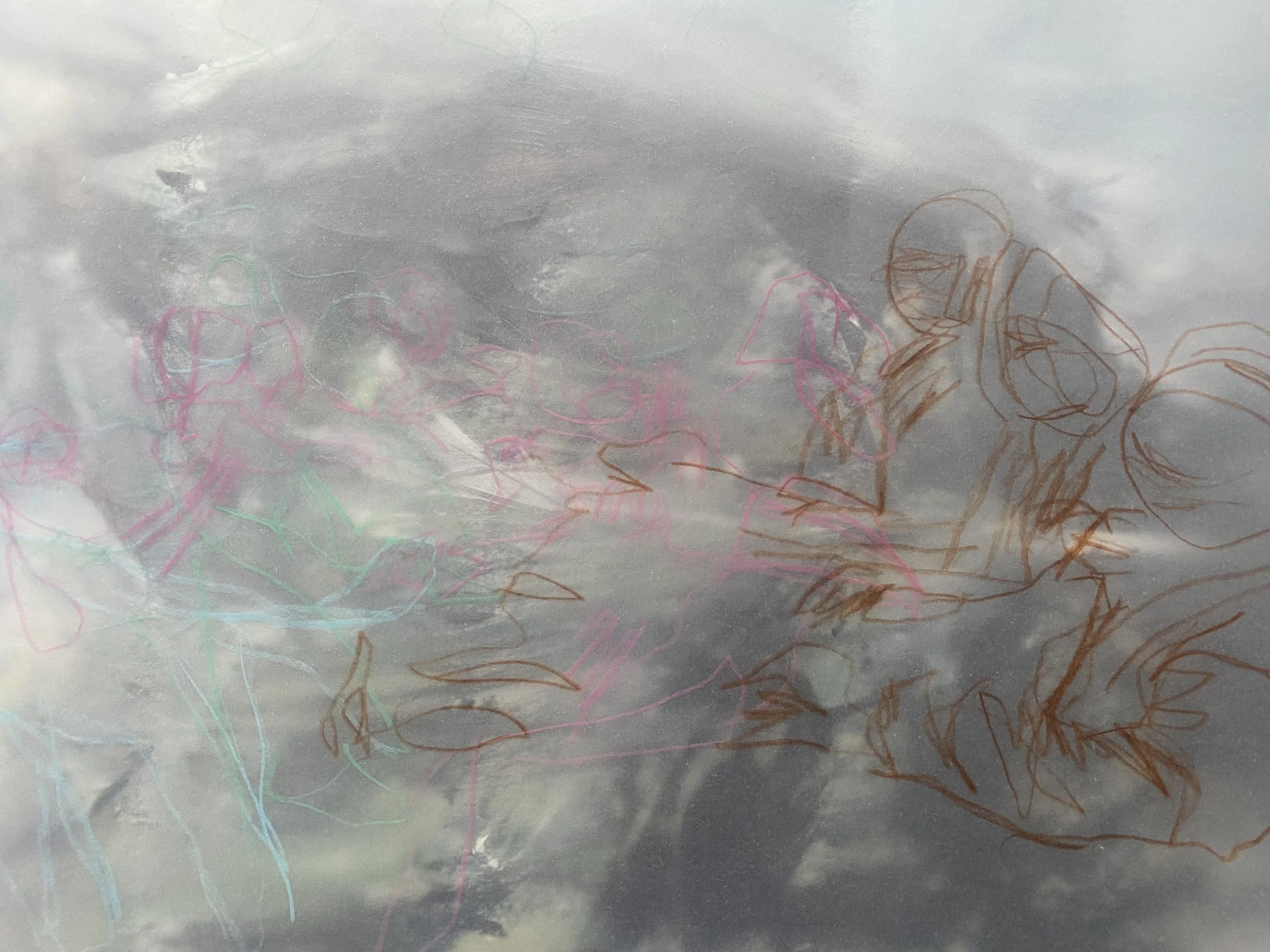
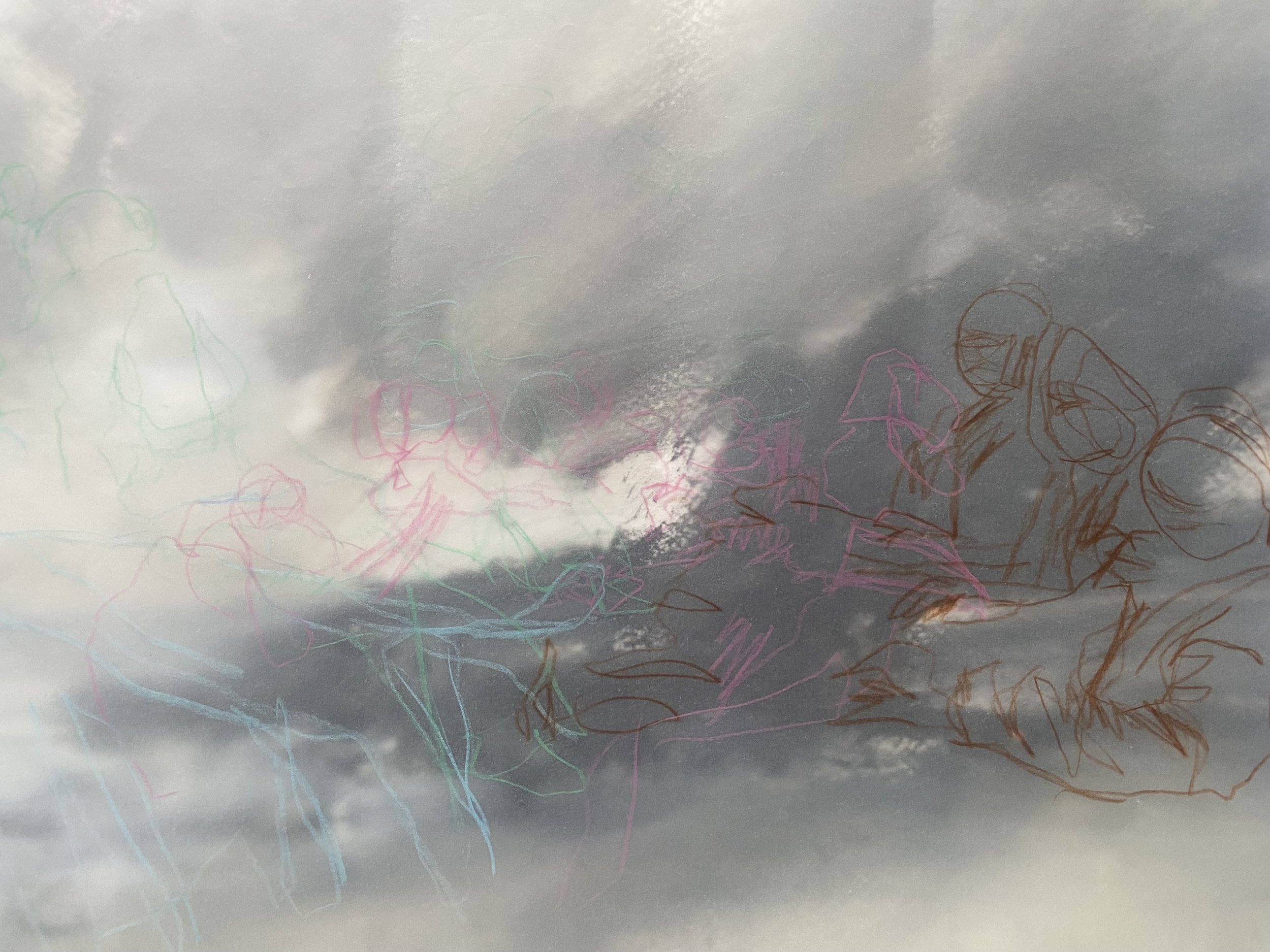
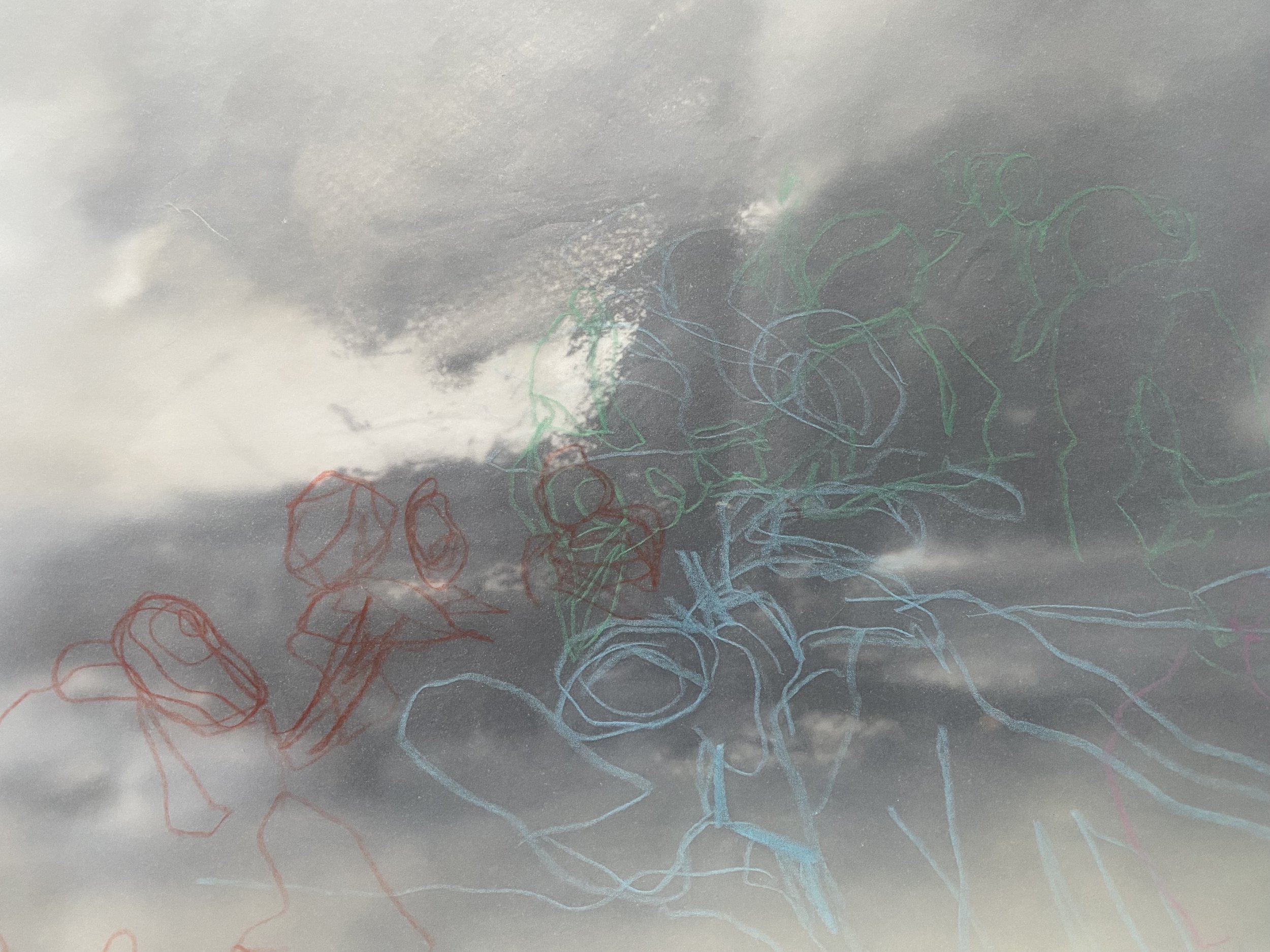
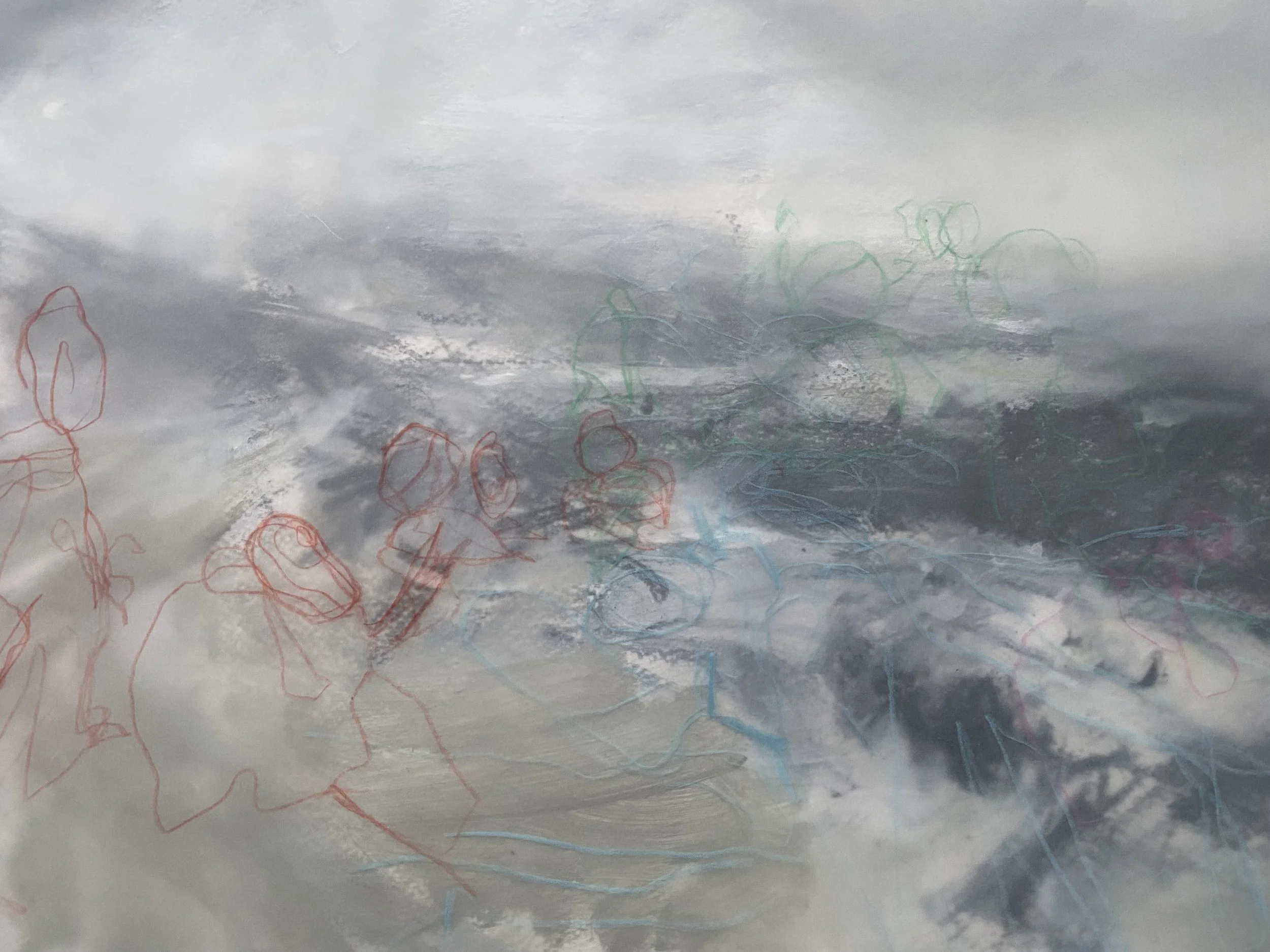
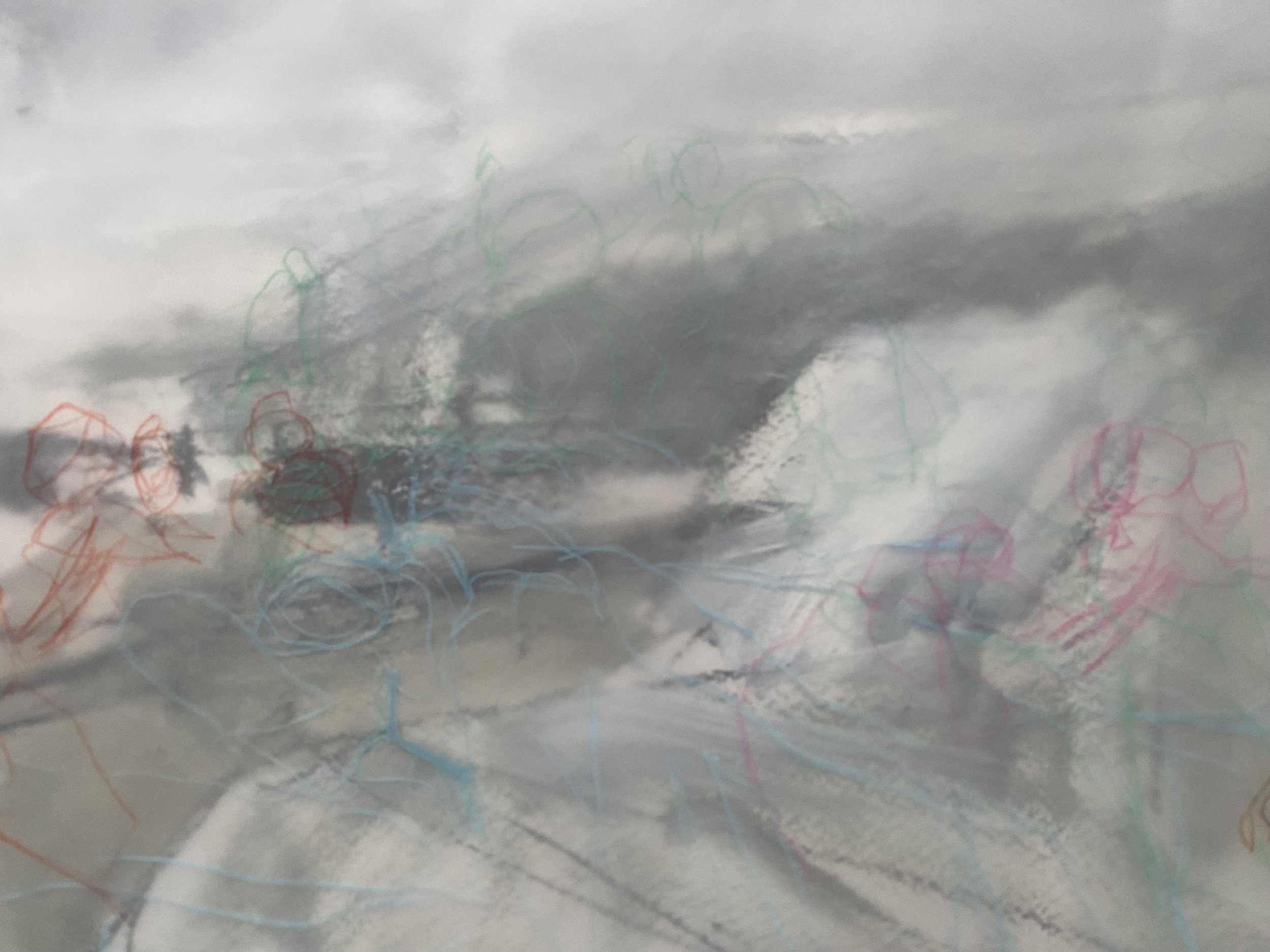
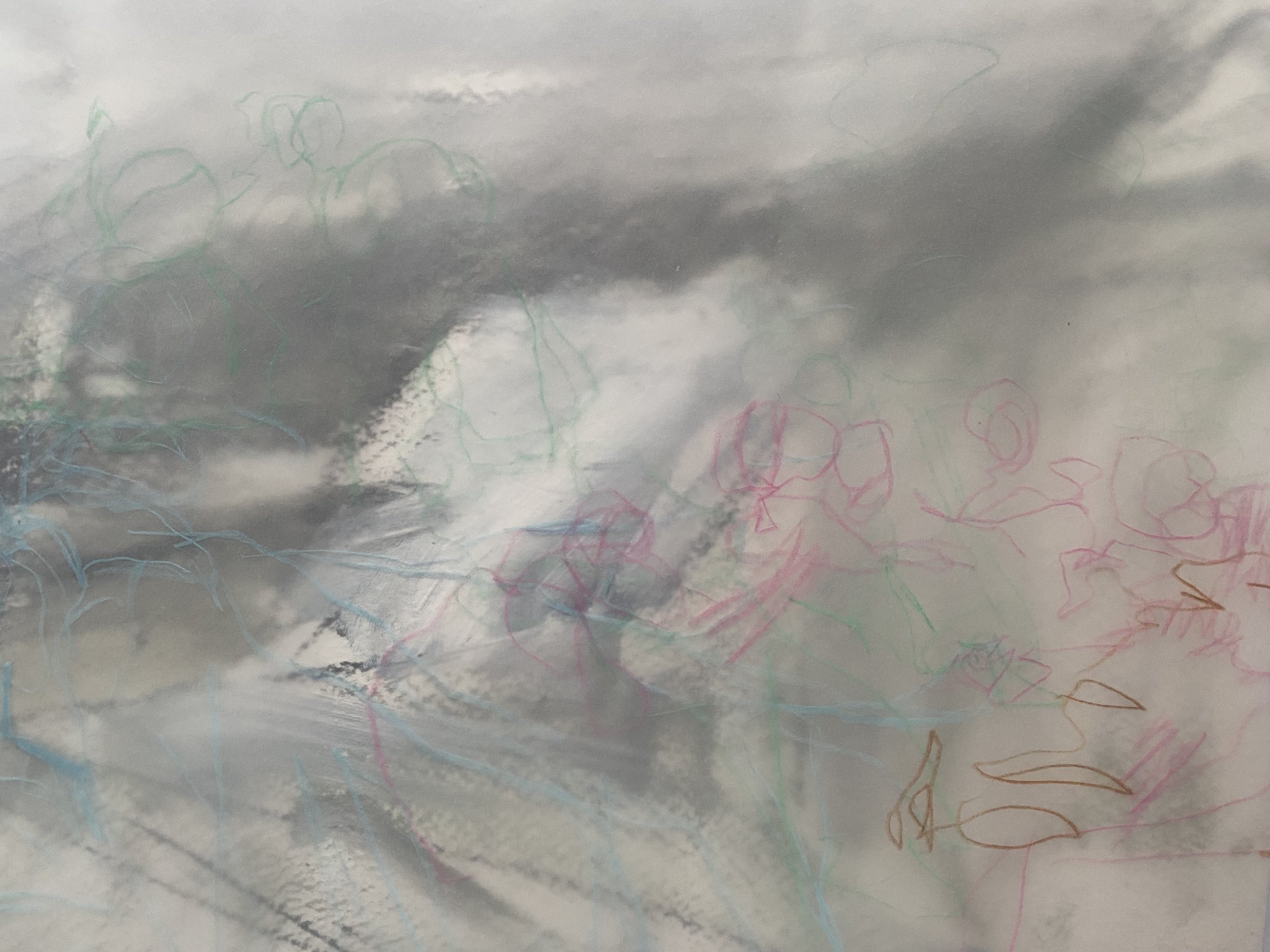
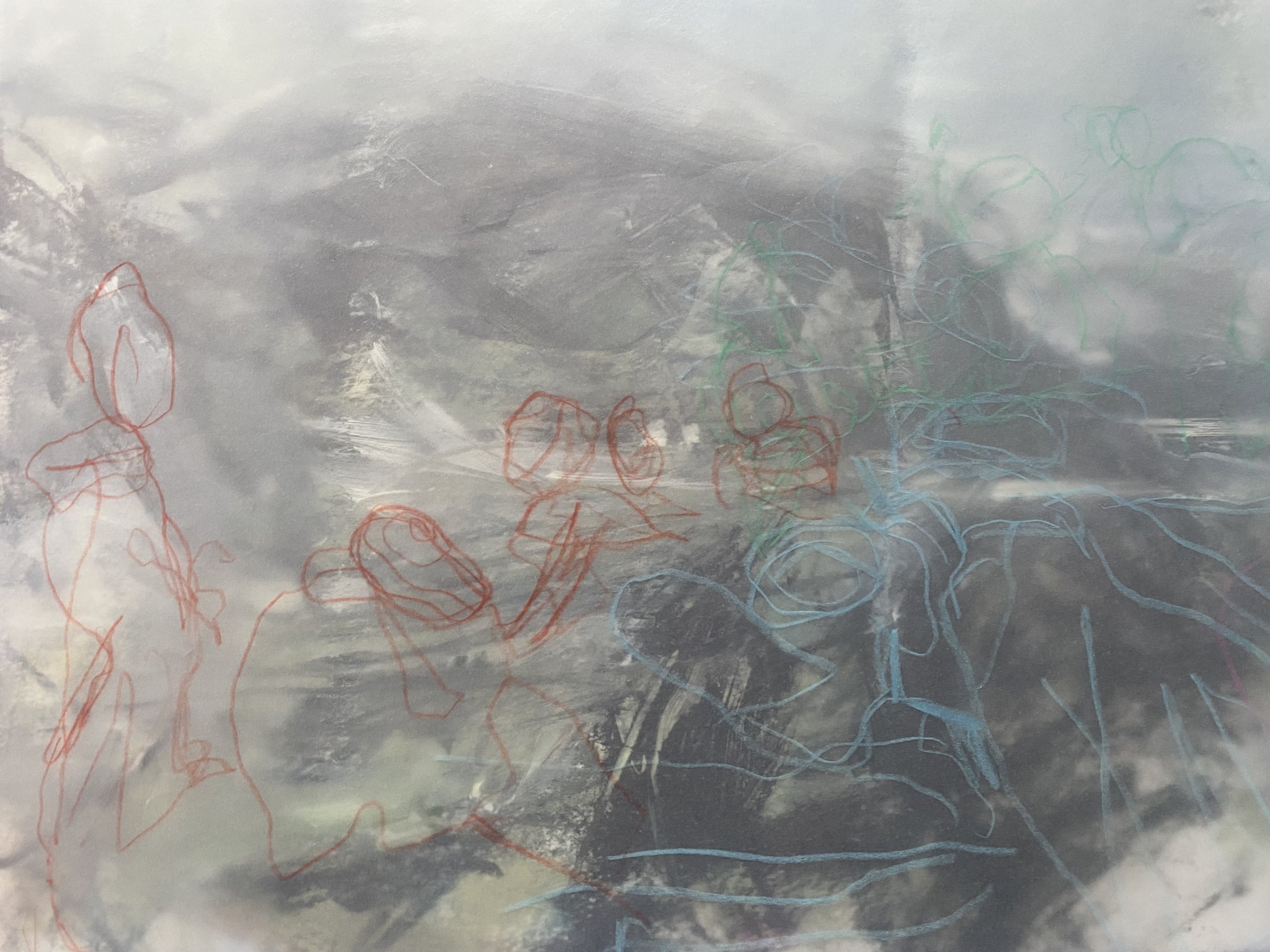
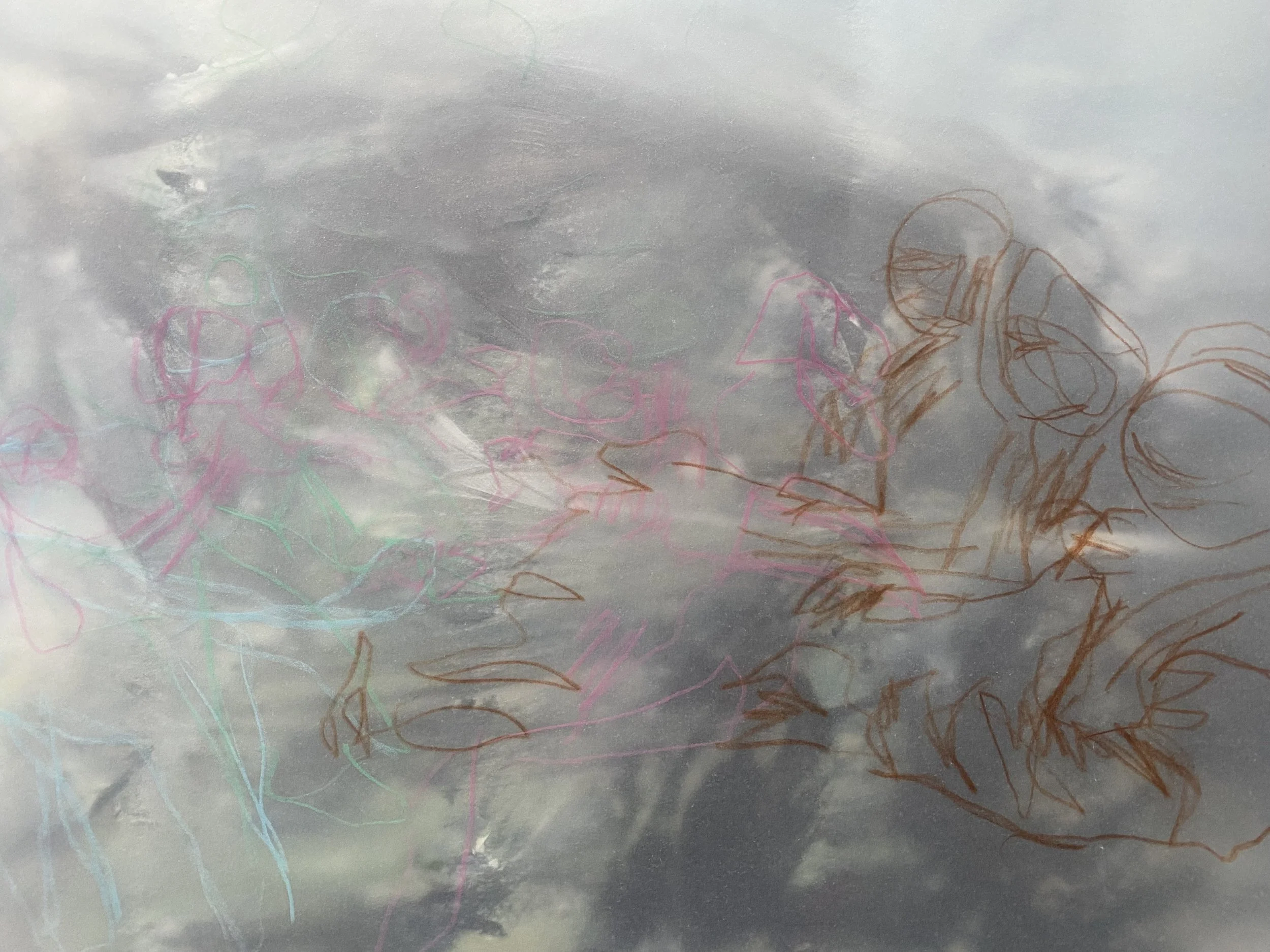
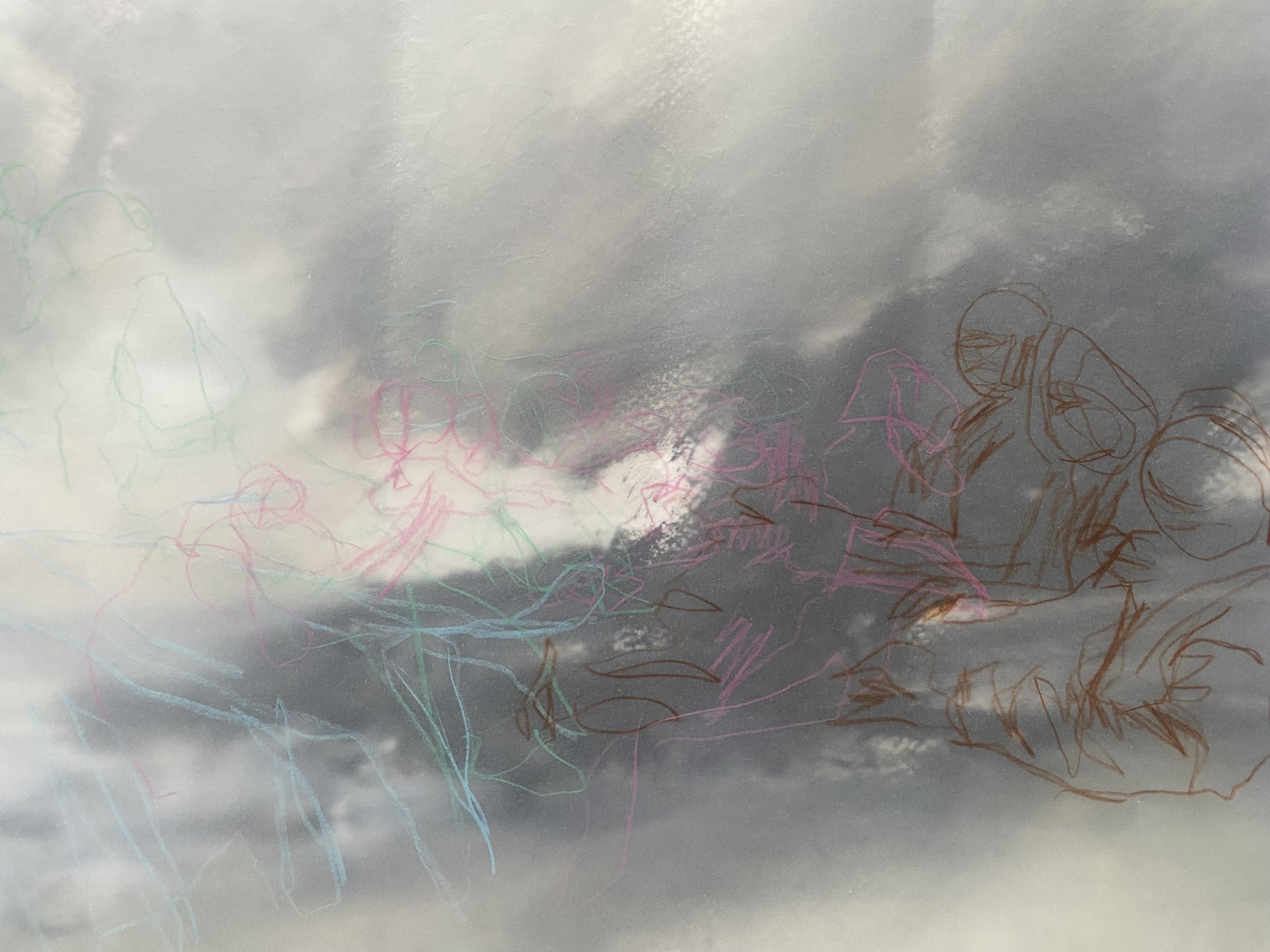
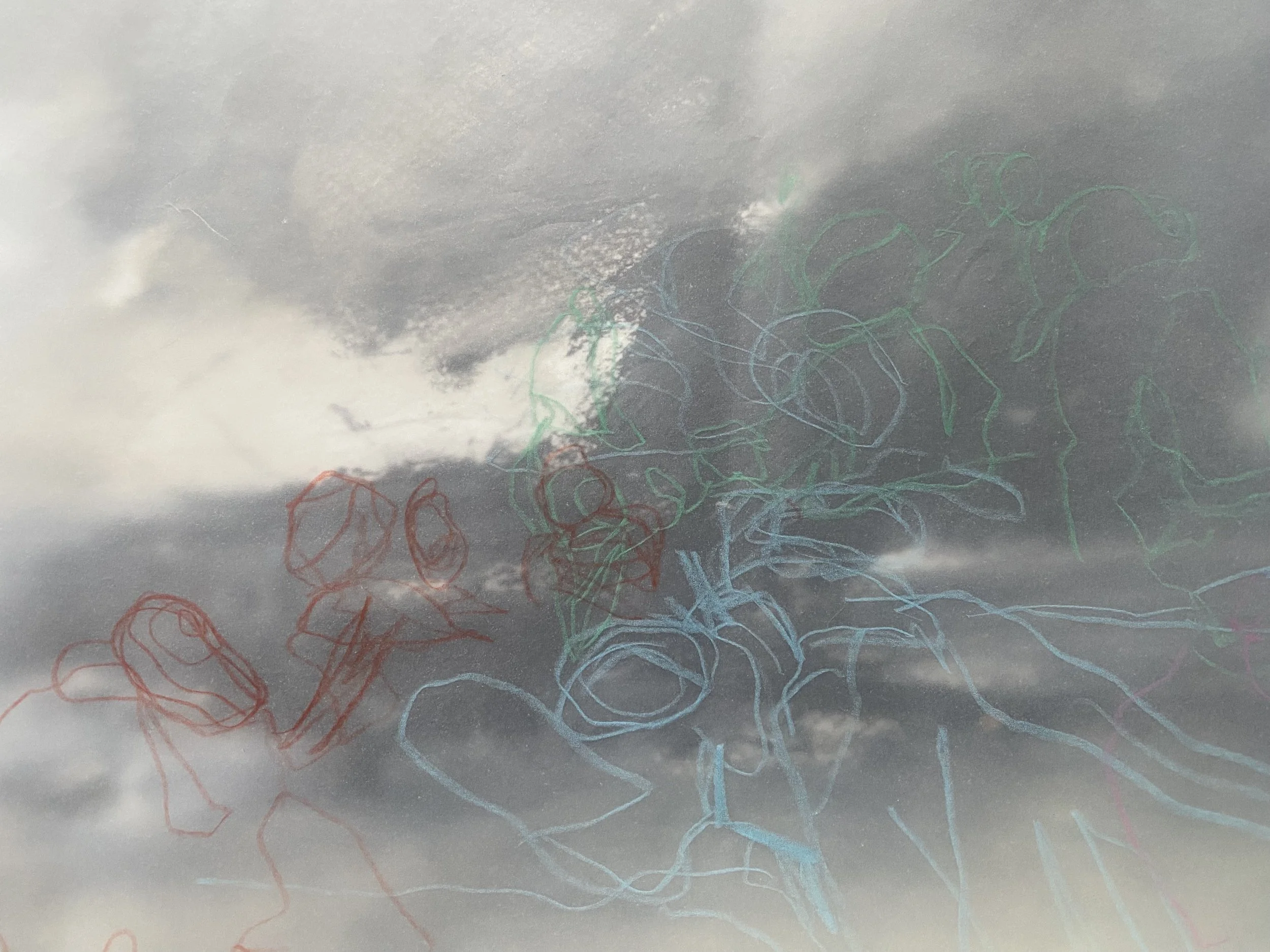
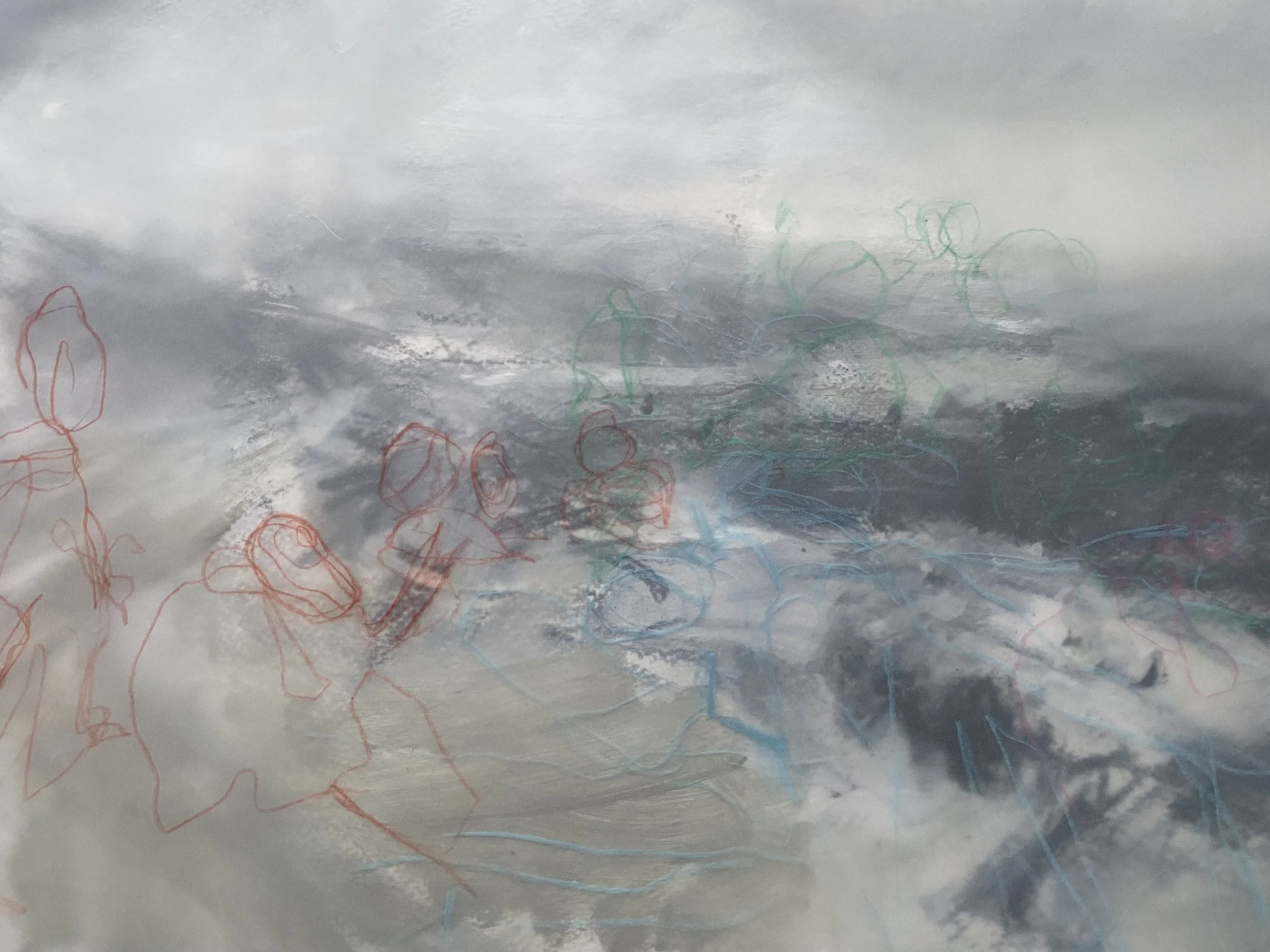
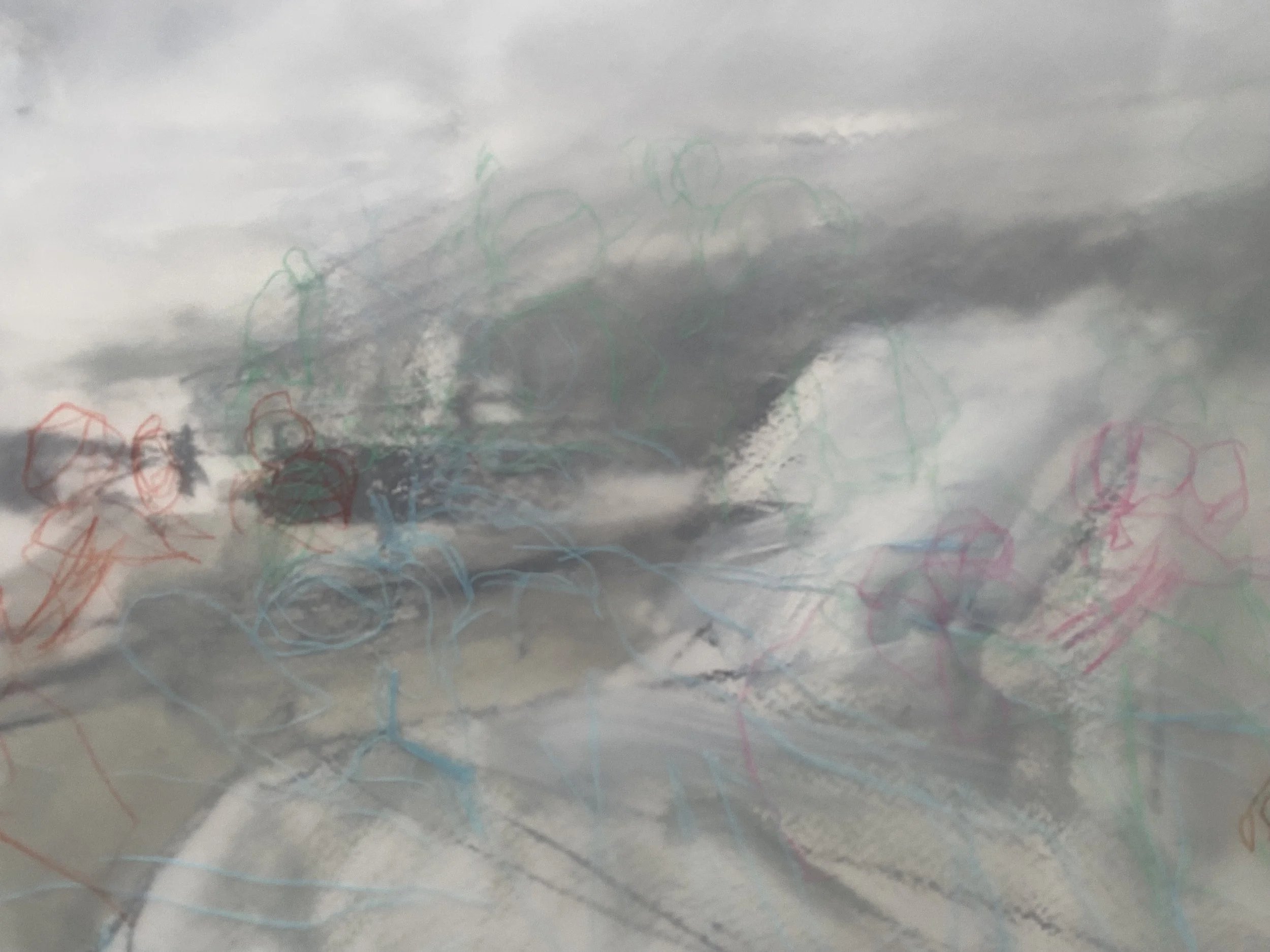
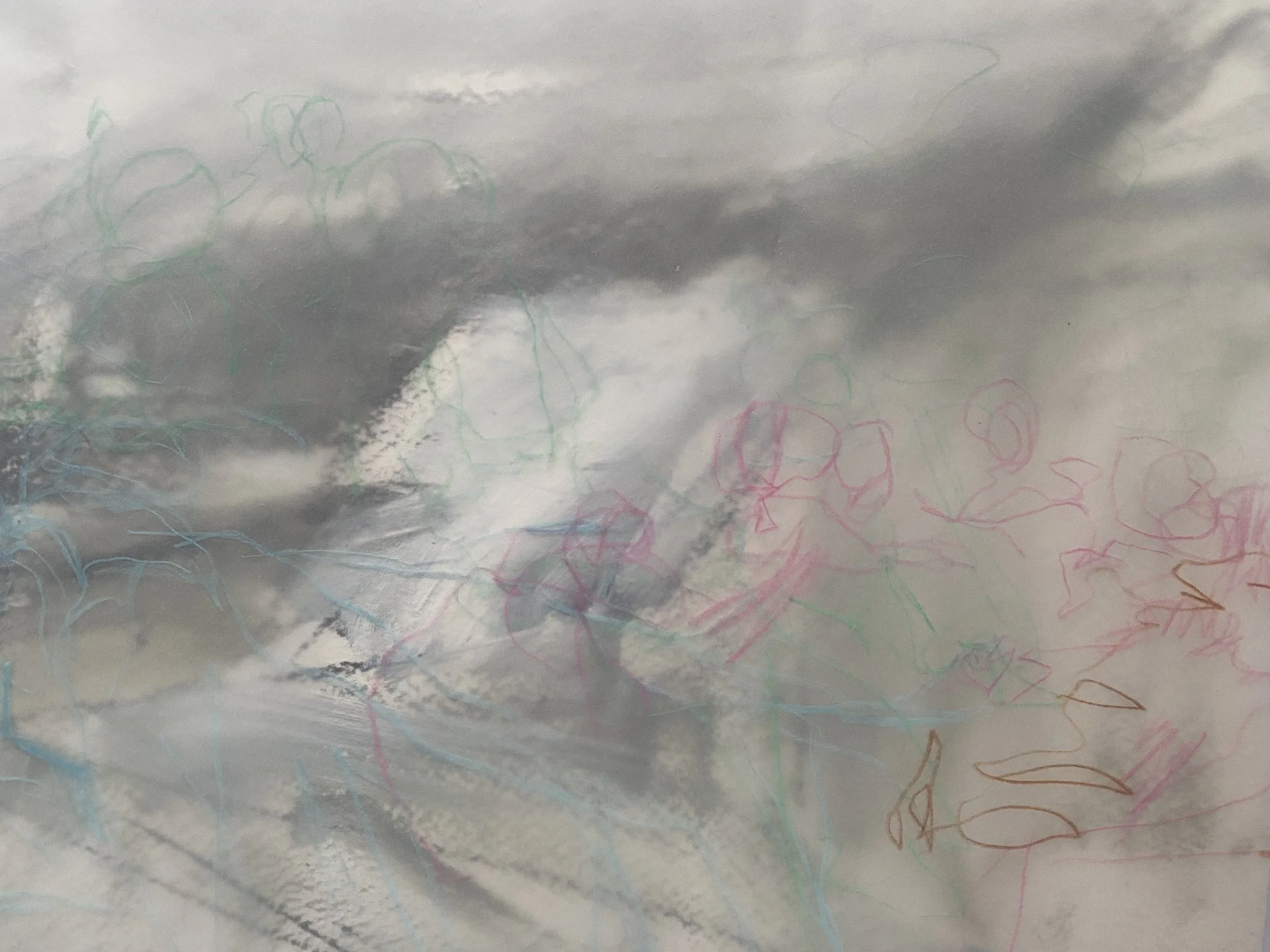
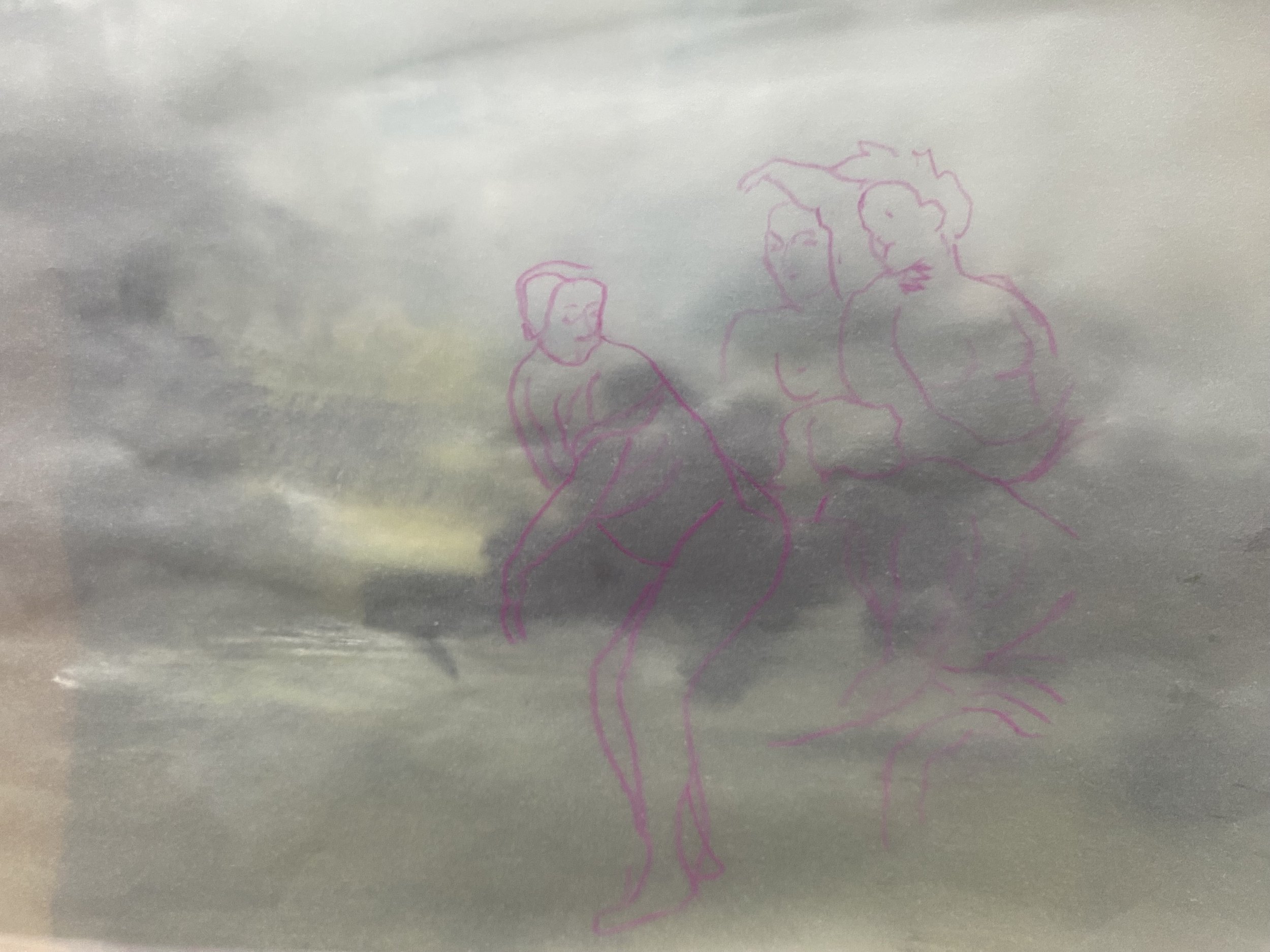
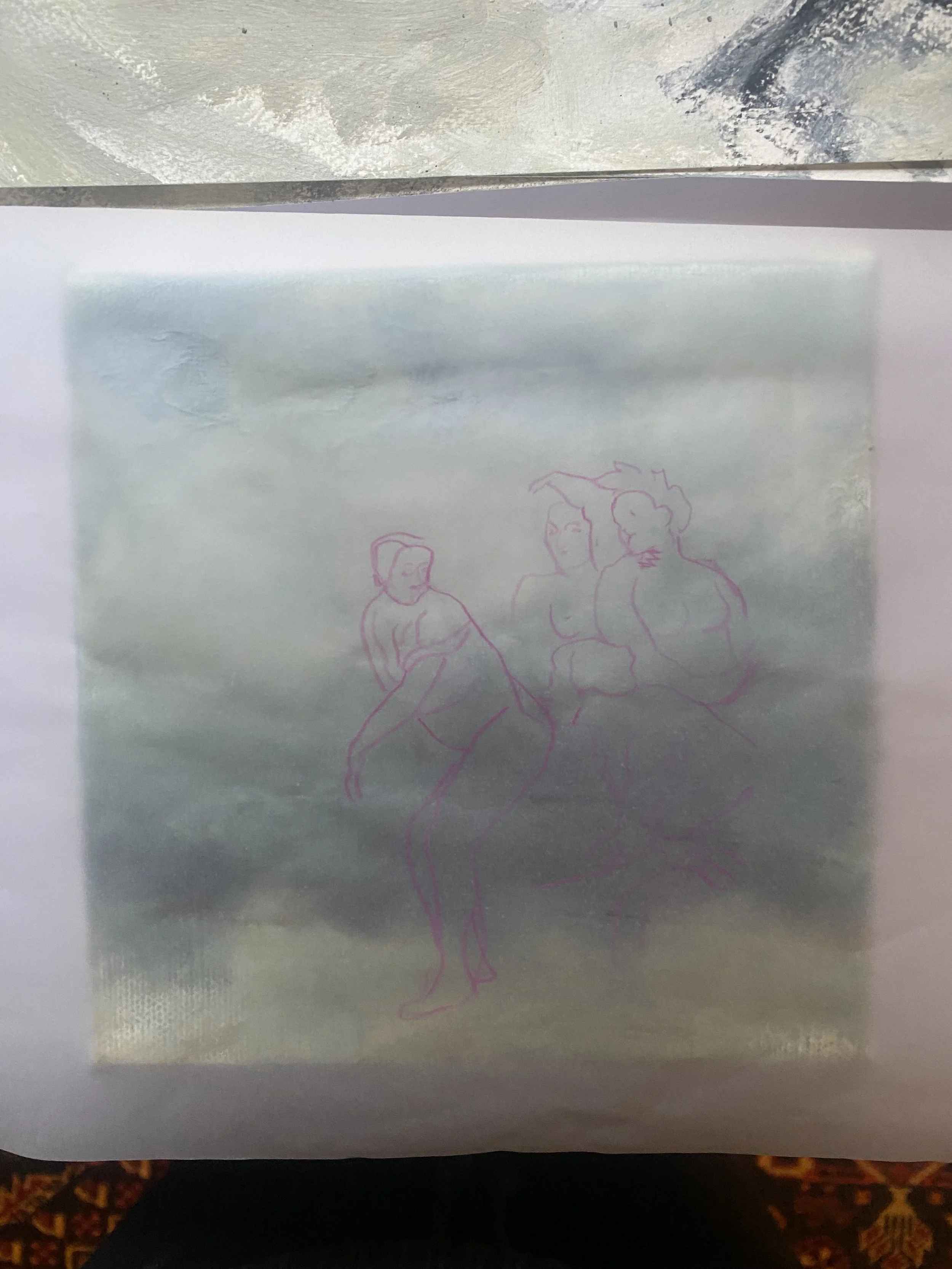
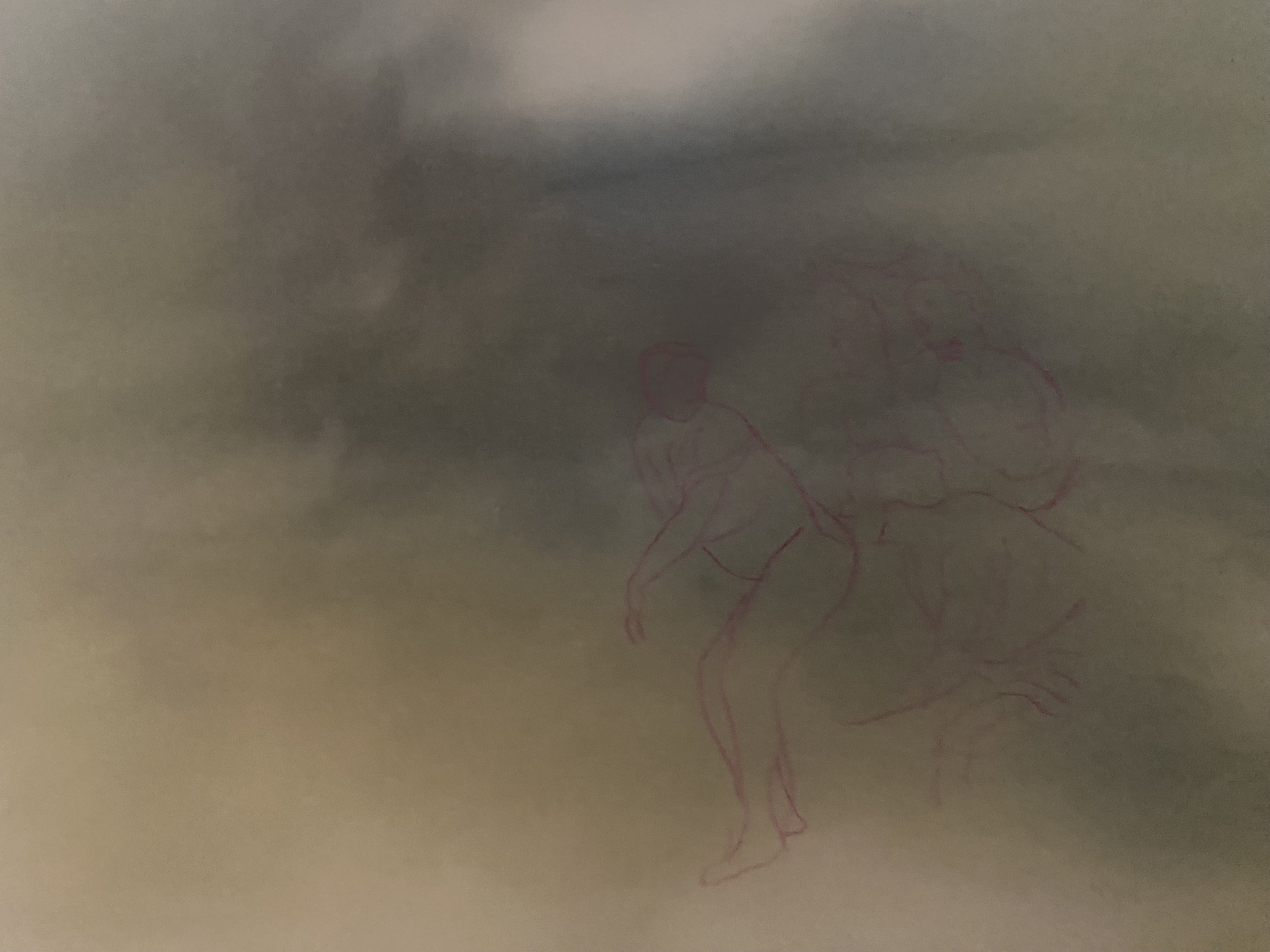
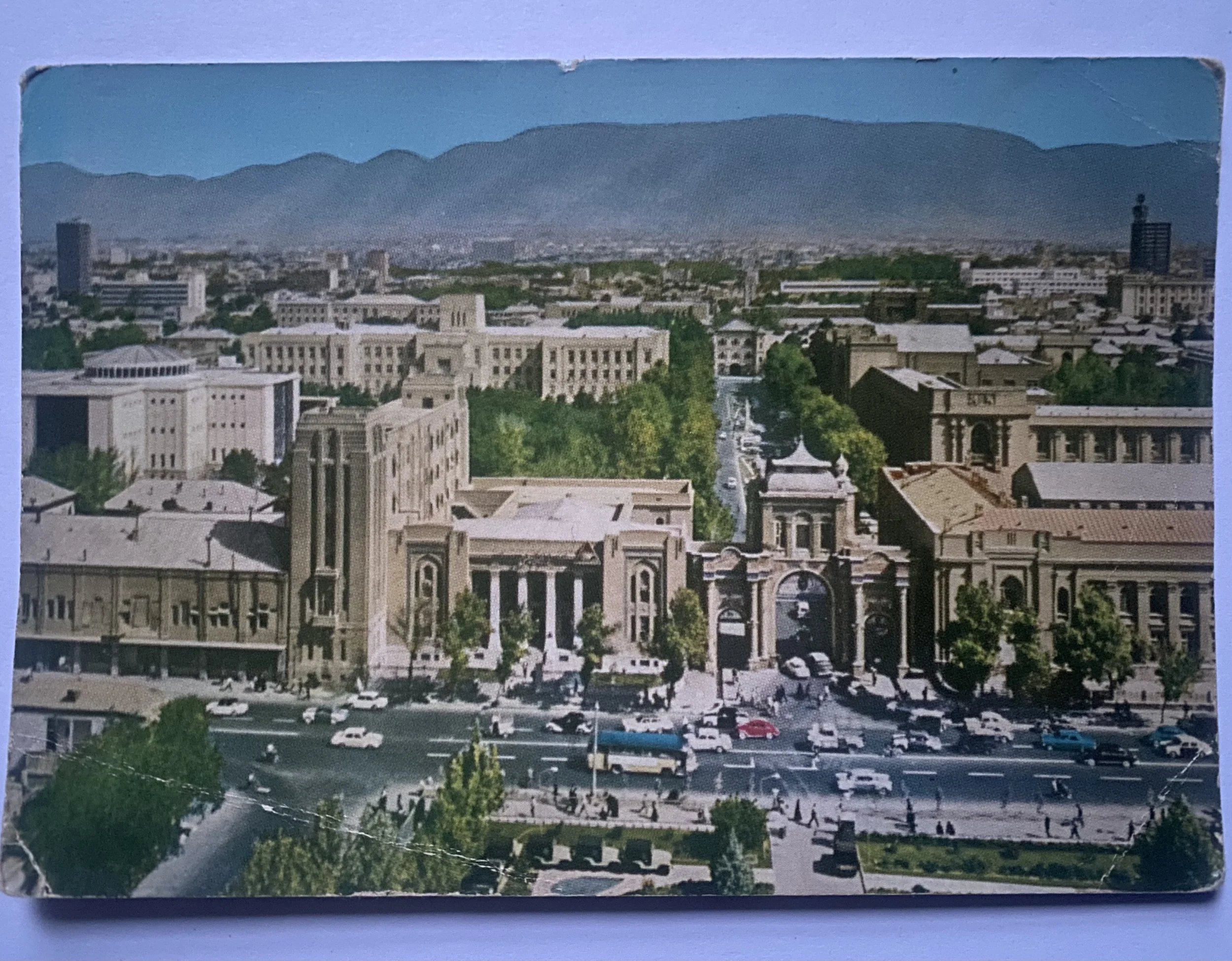
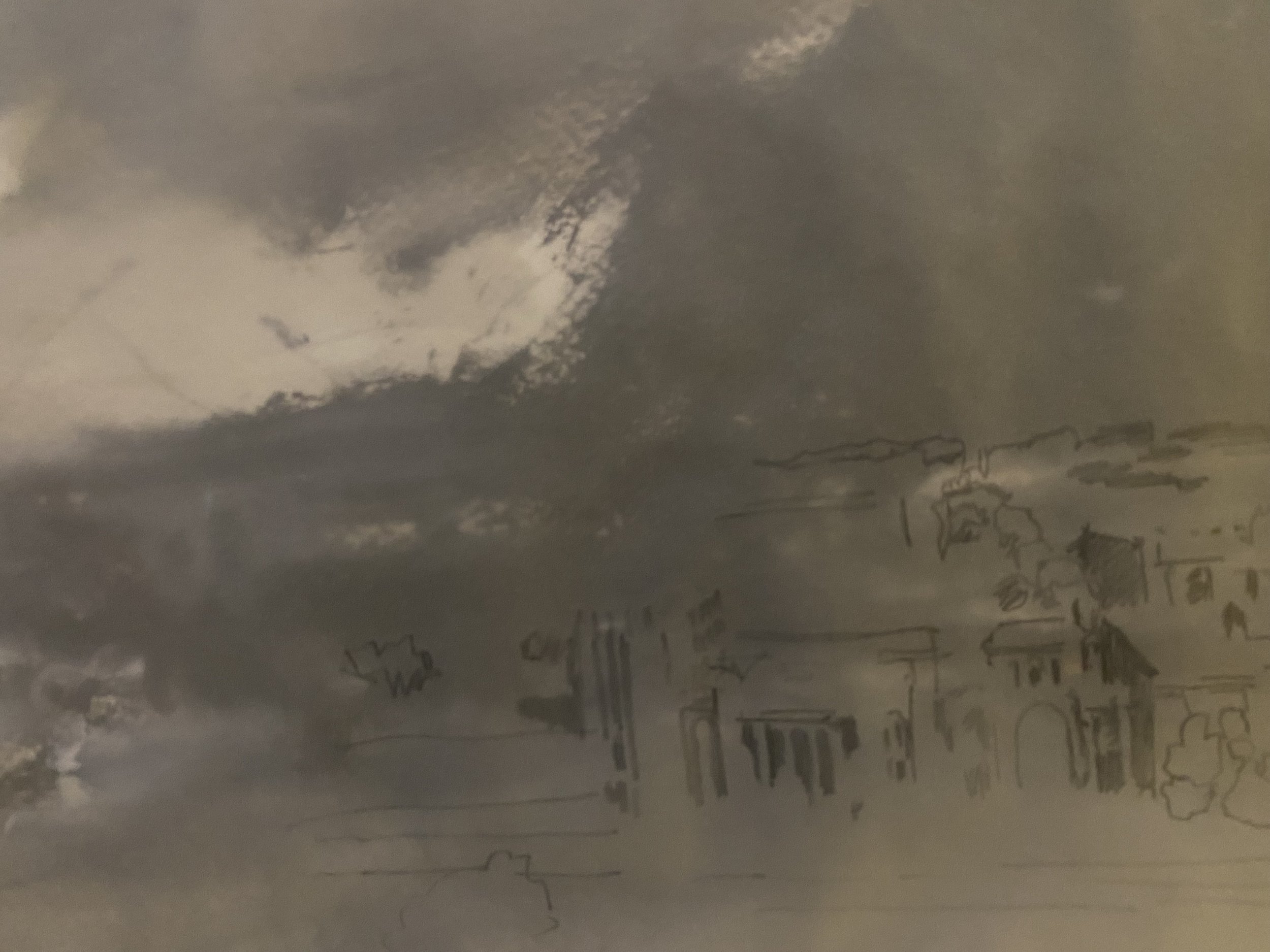
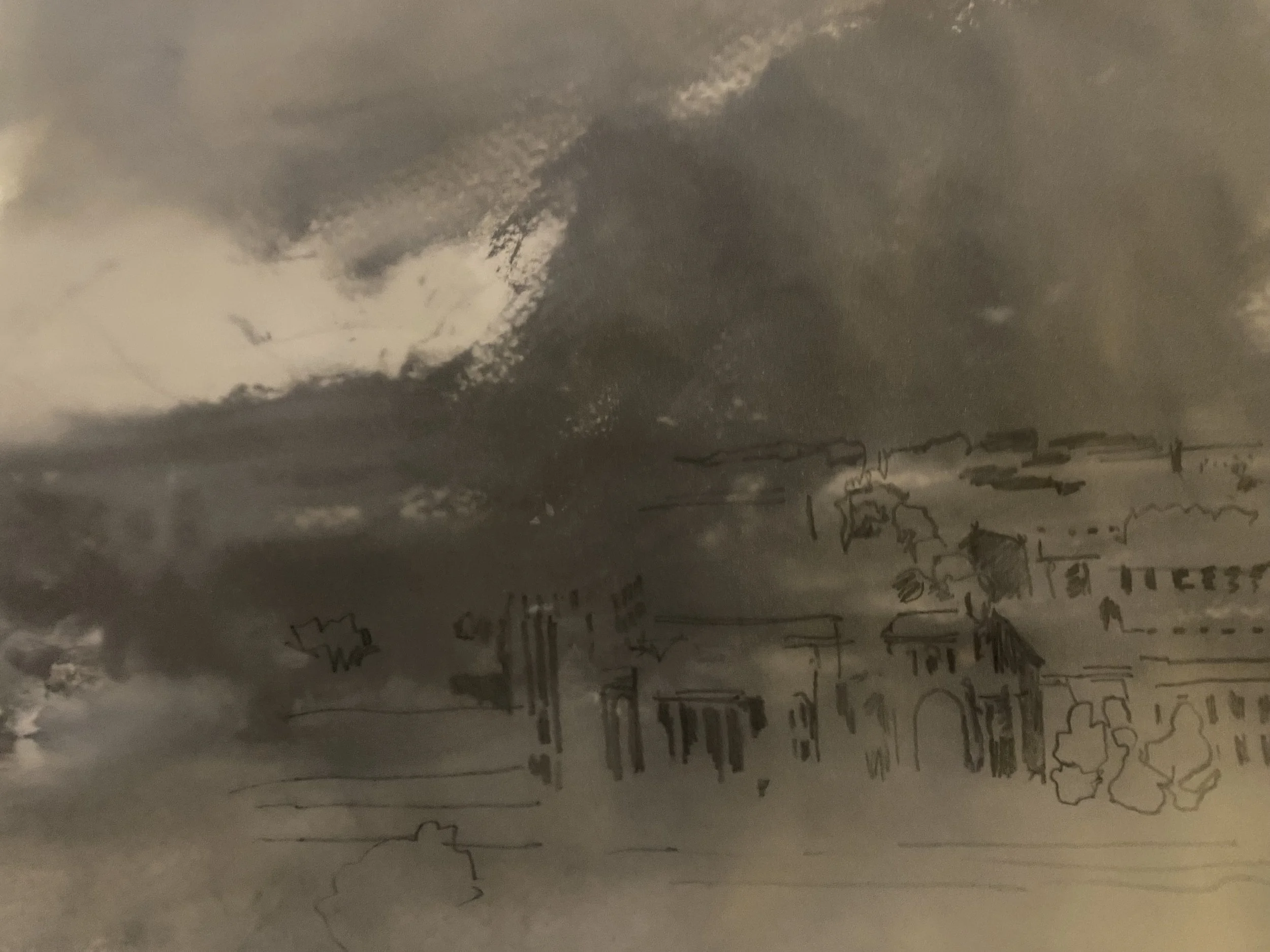
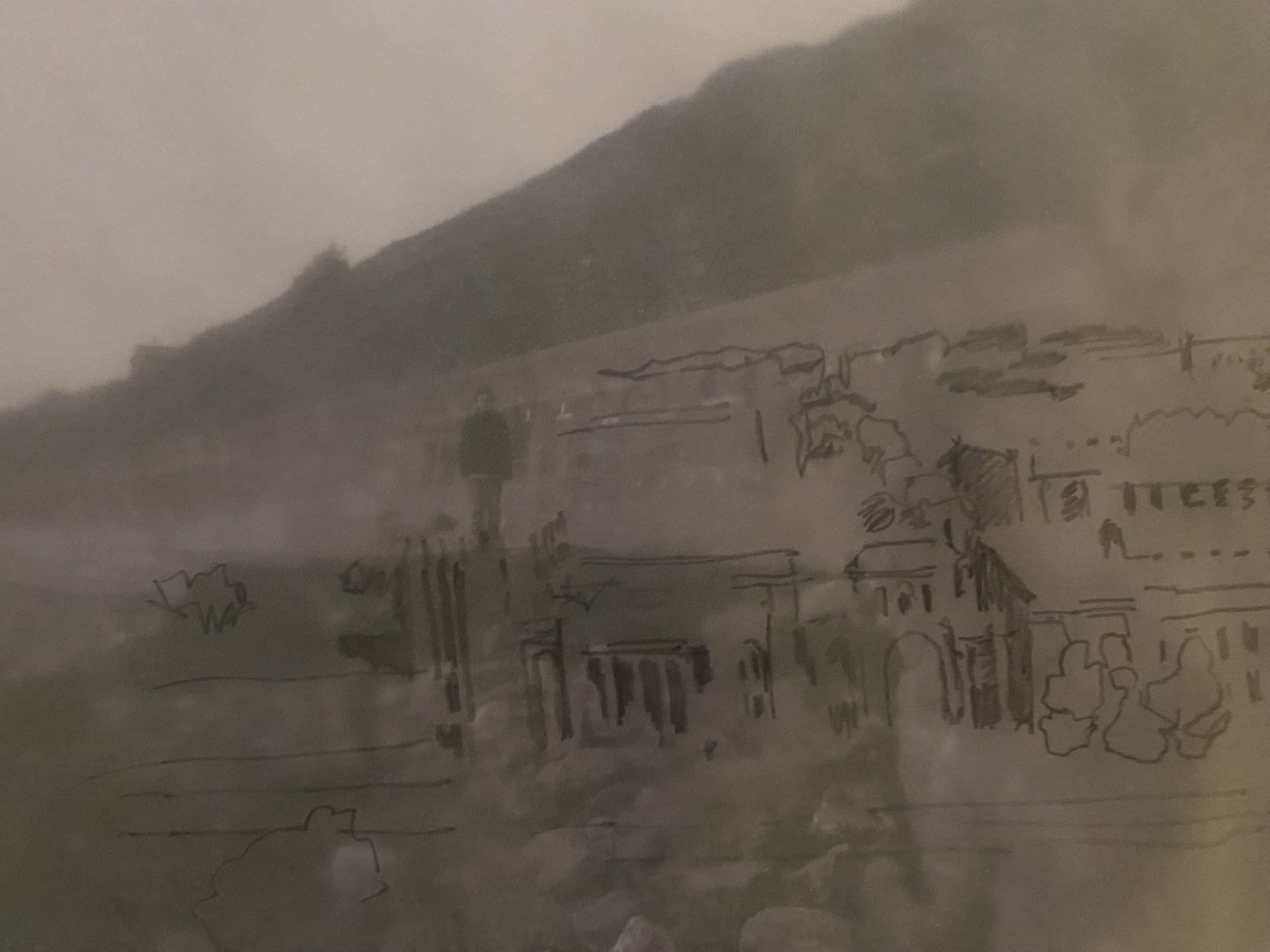
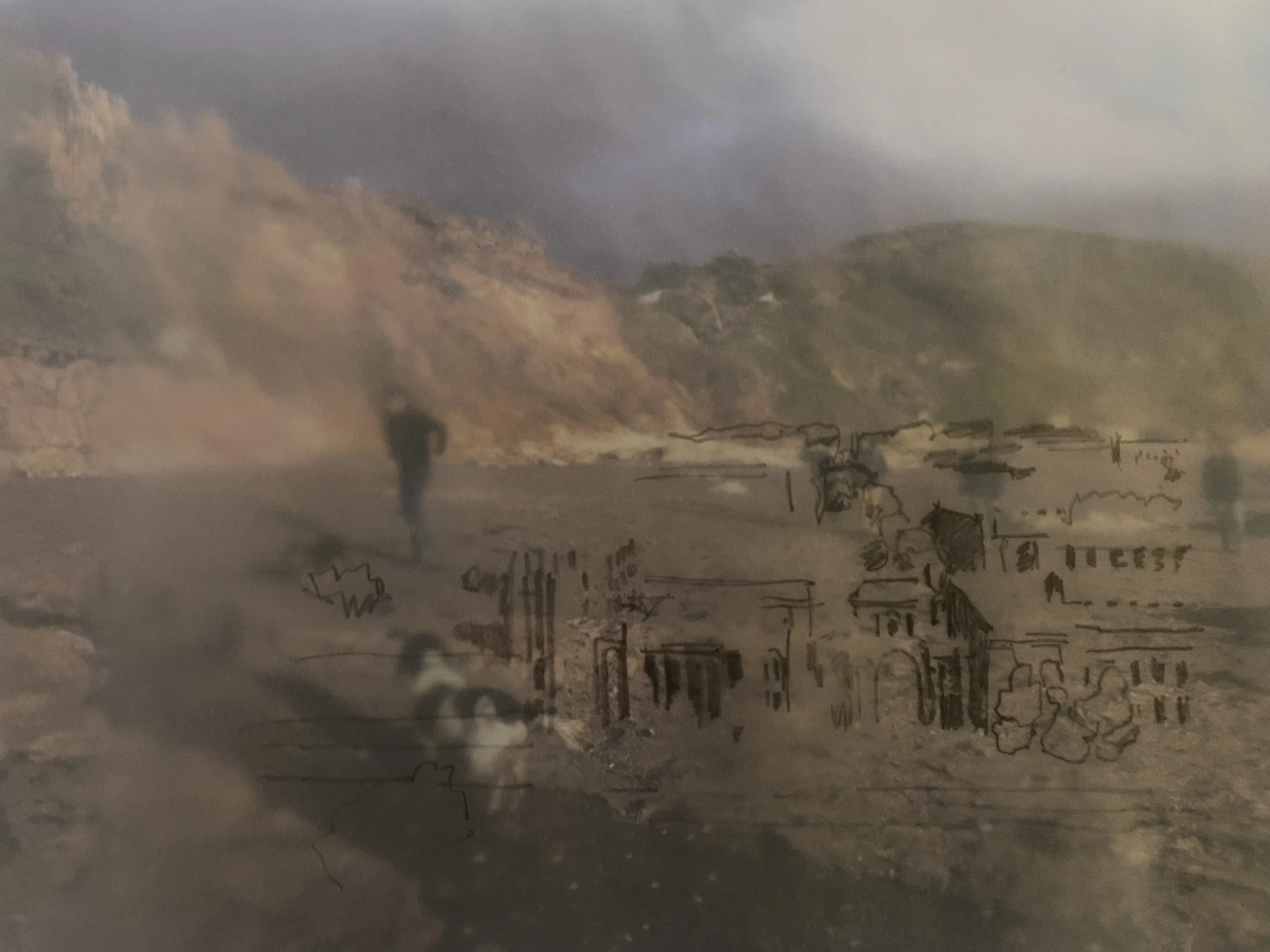
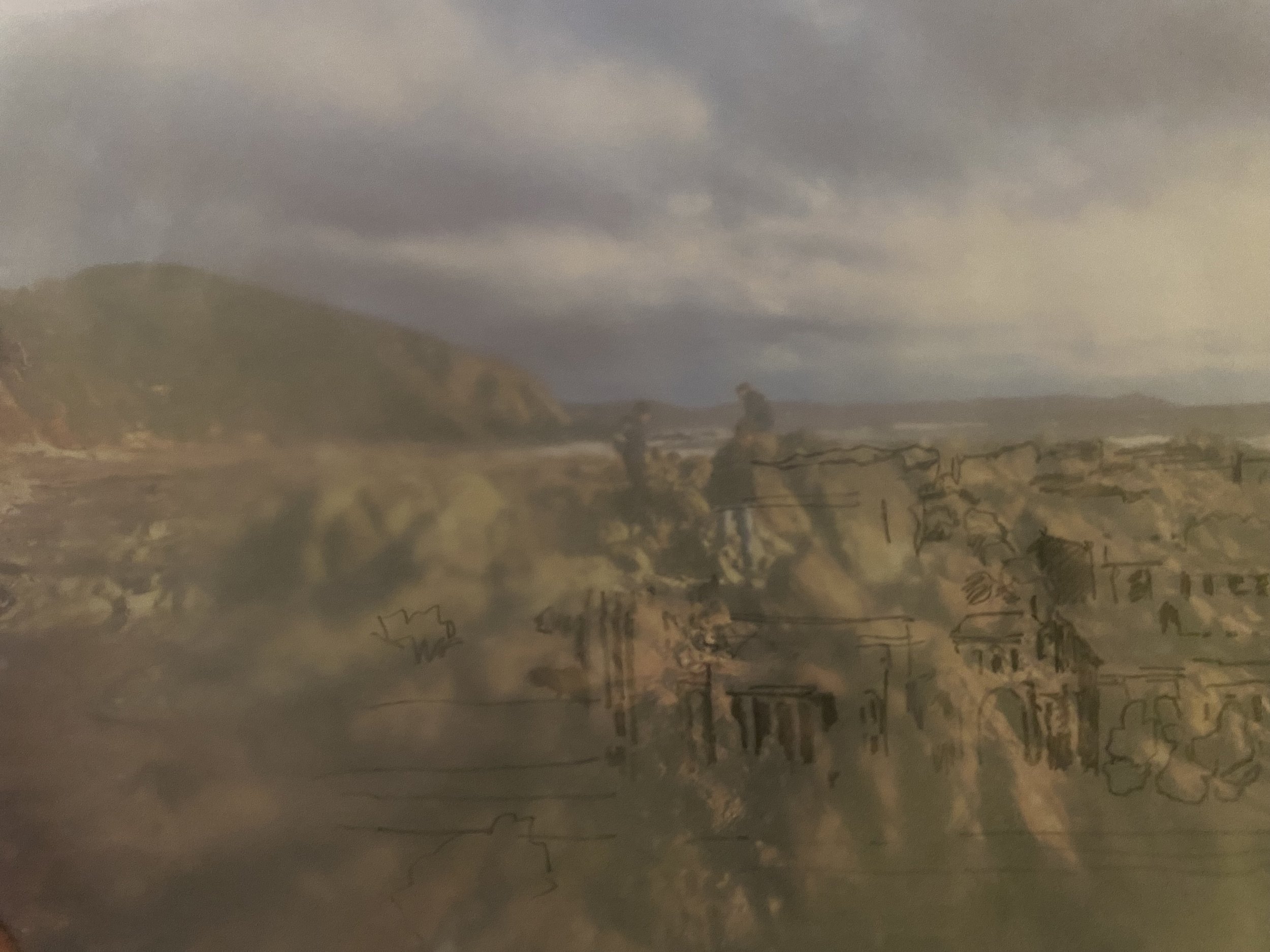
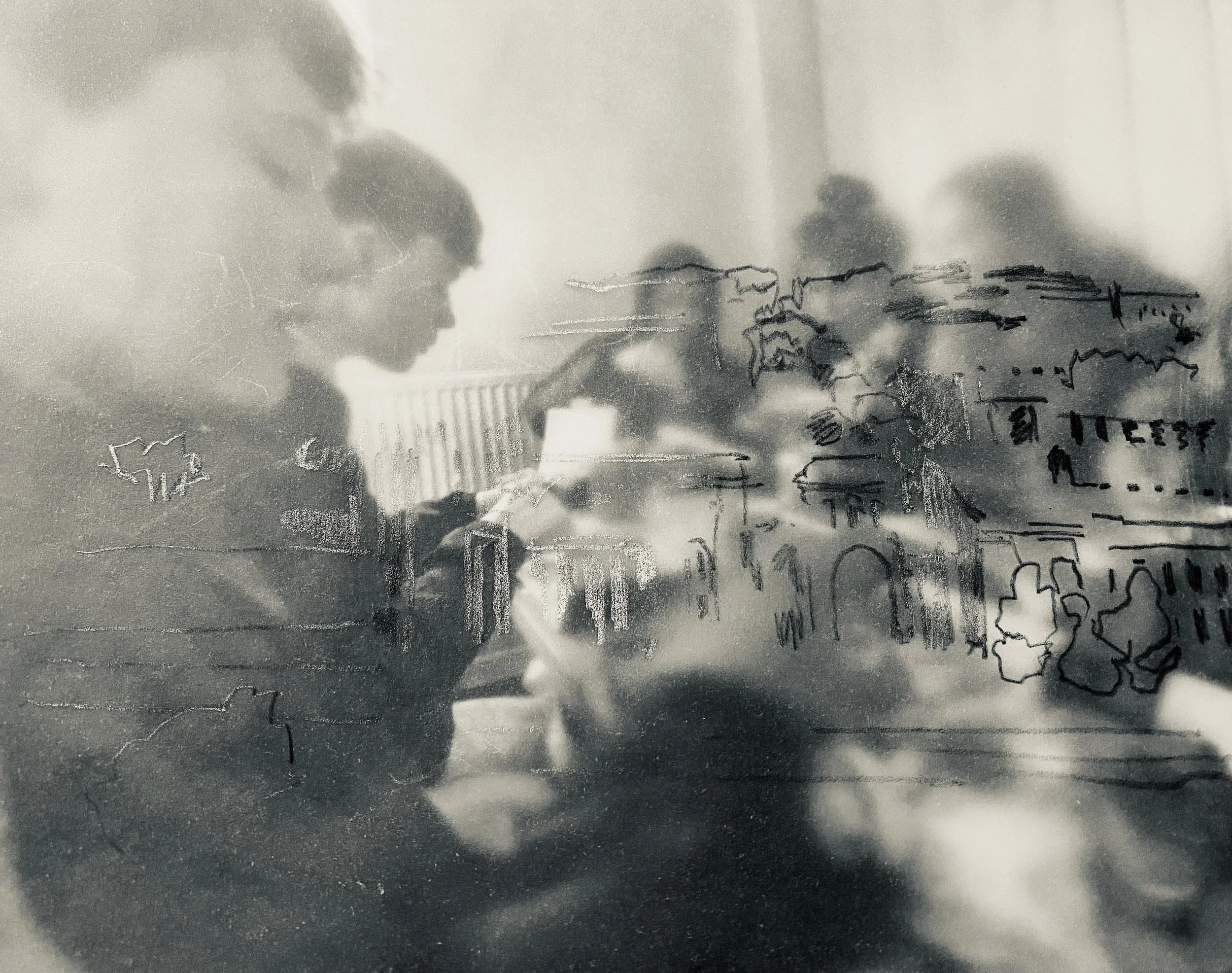
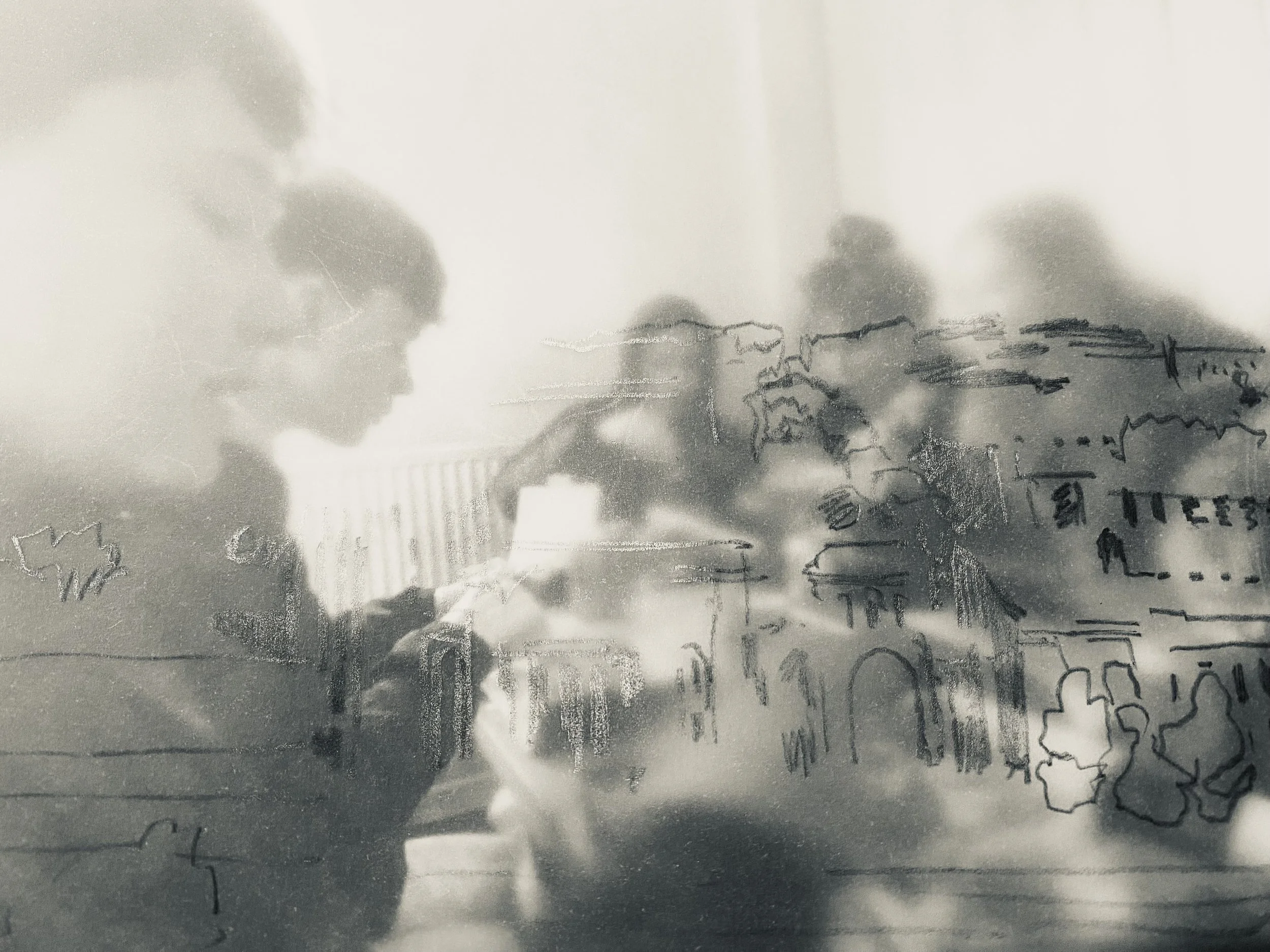
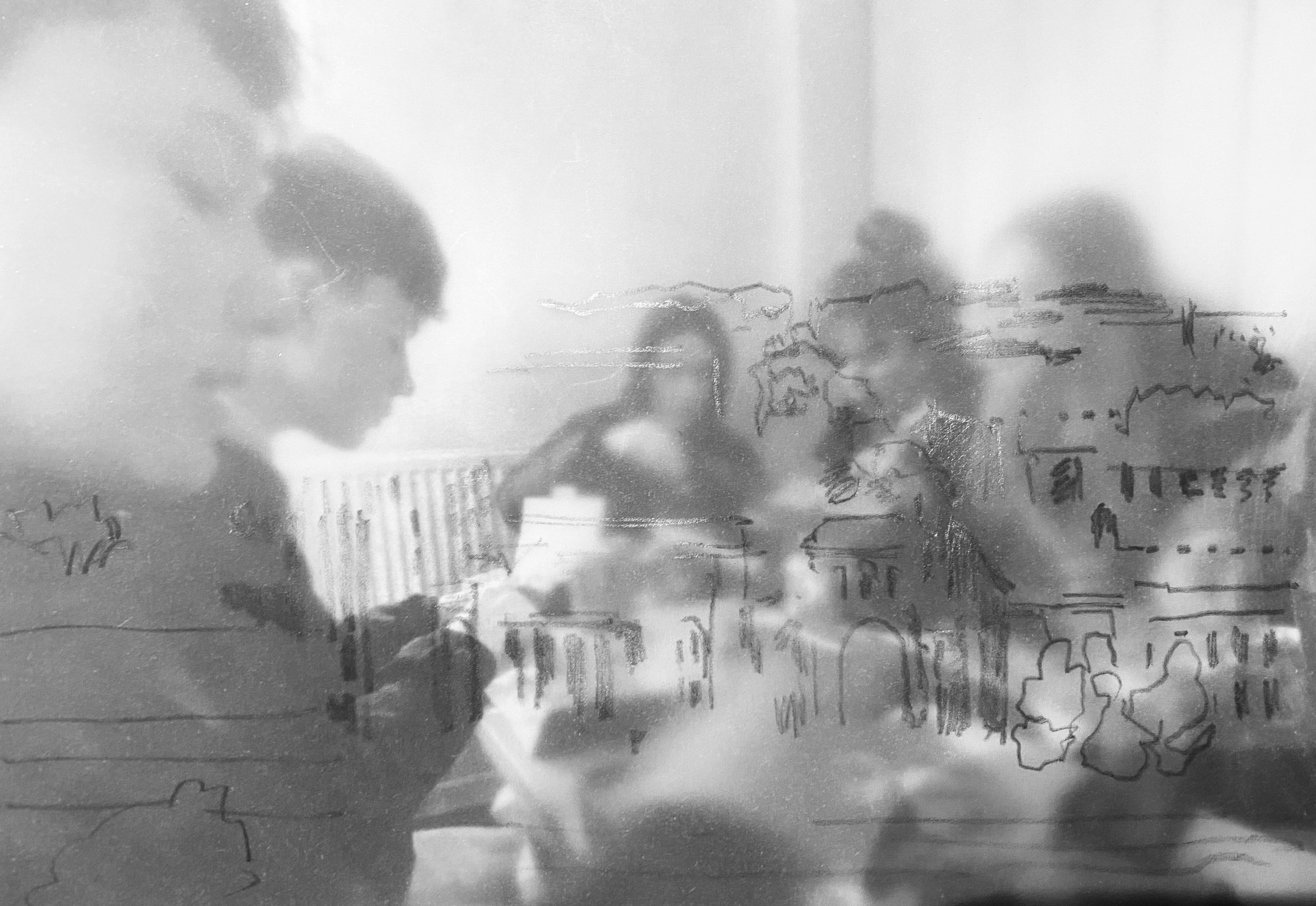
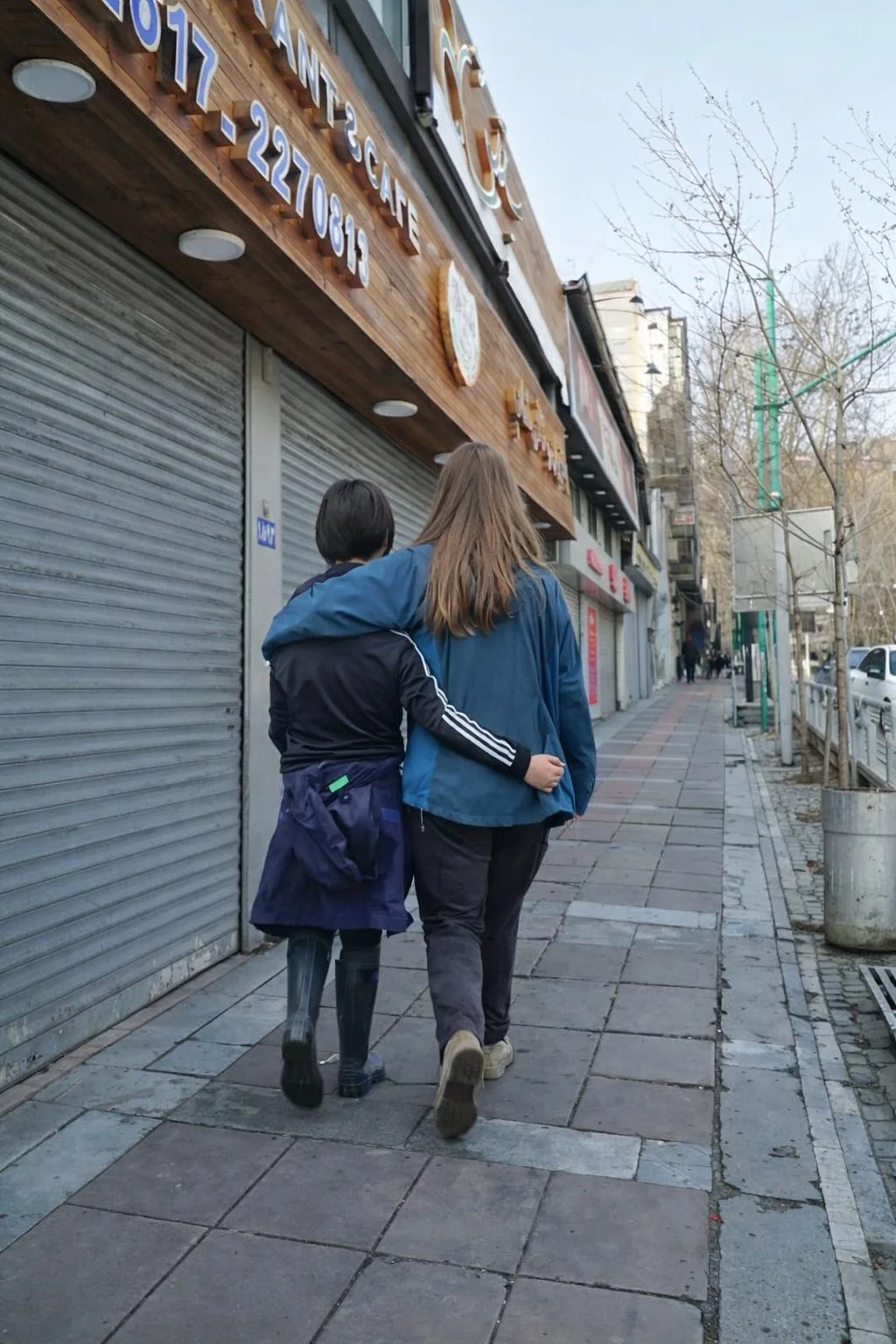
Looking back over all these images, I decided to focus on the image combinations that combined Iran landscape, specifically Tehran and Chardonge images with drawings of our family group as a whole. The following images are combinations made from photos that I took on my last visit to Tehran along with drawings and texture studies from family groups. These images held the most significance as works which conveyed both the importance of home and belonging as well as a feeling of the time that has passed. The textured group images especially I think had a feeling of the movement of people both in terms of physical space and time passing.
The first four images were of a combination of Tehran streets and a place near my home which i ventured into without permission- both places I am exiled from.